Feature
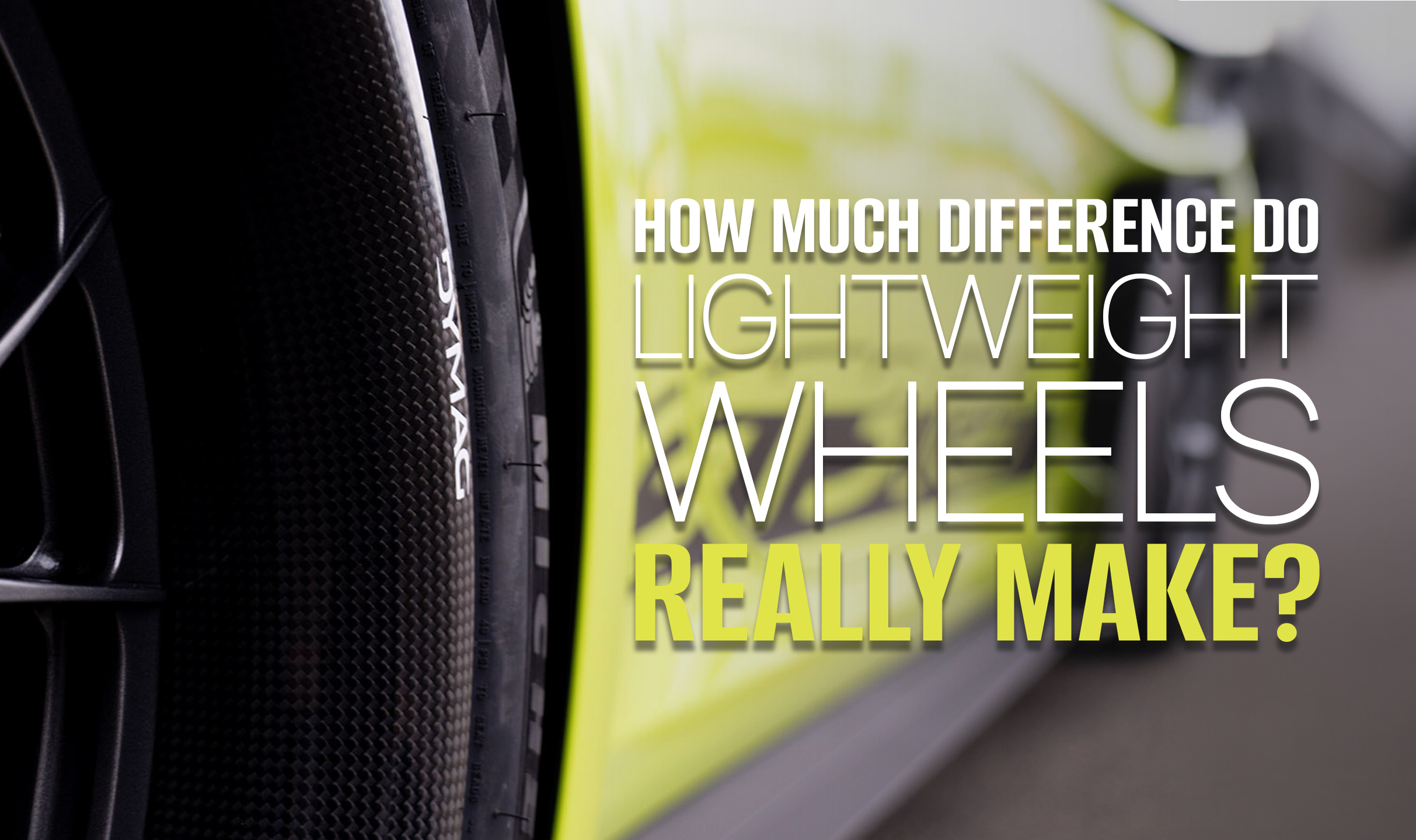
How Much Difference Do Lightweight Wheels Really Make?
A lighter wheel isn't just a lighter wheel. It is unsprung mass. It is rotating mass. But how much difference does that make?
October 10, 2026
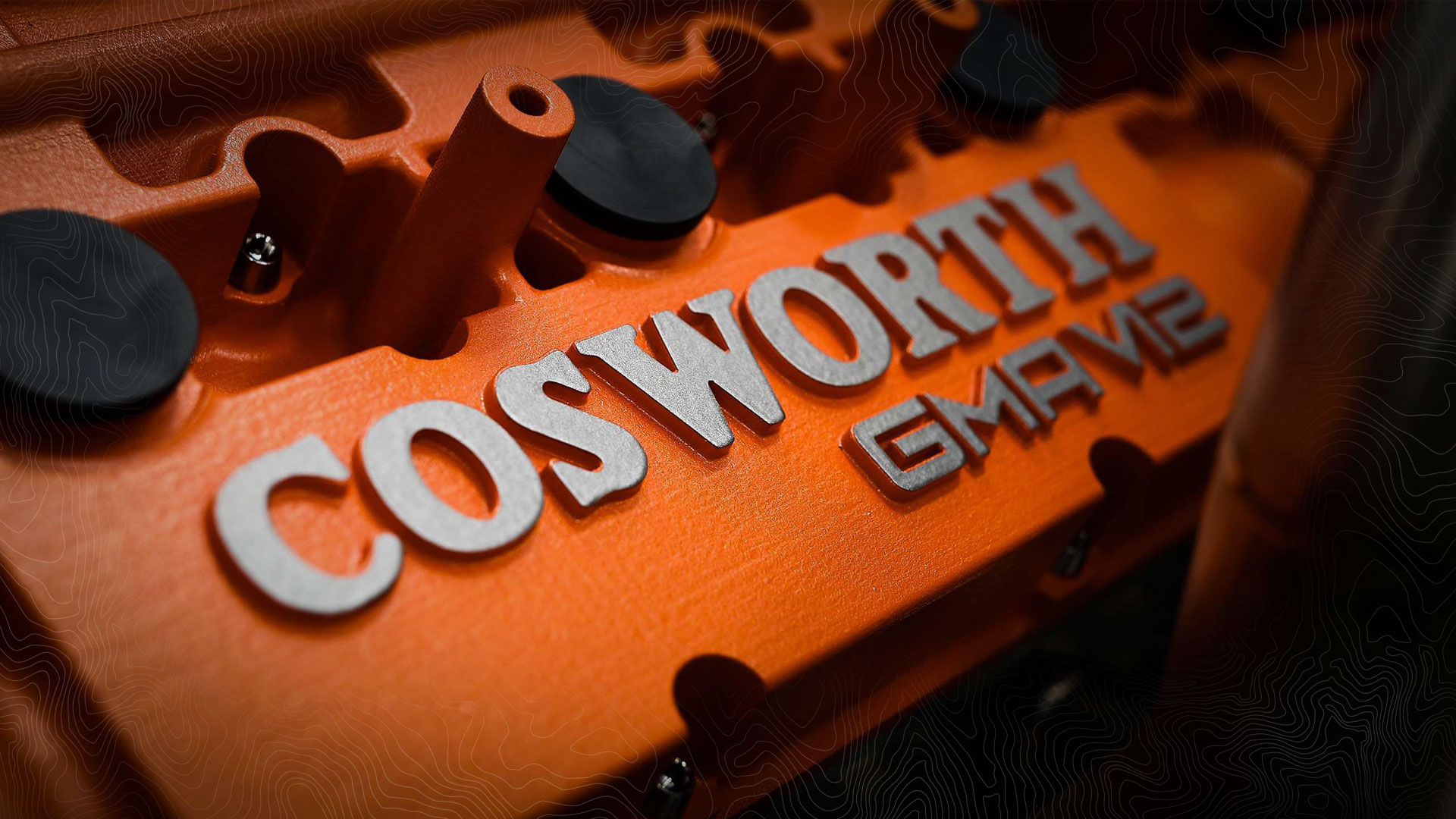
From a draughty shed to conquering F1 and powering Britain's greatest hypercars, join Paul for the history of Cosworth.
Every great British engineering story starts in a draughty shed, usually involving two blokes who had had enough of doing things the proper way. Cosworth was no different. In 1958, Mike Costin and Keith Duckworth — both escapees from Lotus — set up a tiny workshop in London with a simple goal: build engines that worked properly.
Mike was not the first in his family to turn petrol into poetry. His older brother, Frank Costin, had co founded Marcos Cars — the firm that made those gloriously odd, wooden chassised sports cars that looked like someone had drawn them during a maths lesson. Frank was the aerodynamicist, Mike the engine whisperer.
At the start, things were modest. Their first projects were tuned Ford 105E engines for Formula Junior cars. The results were good — too good, in fact — and soon the pair found themselves working with Lotus again, building engines that went faster and lasted longer than anything else on the grid.
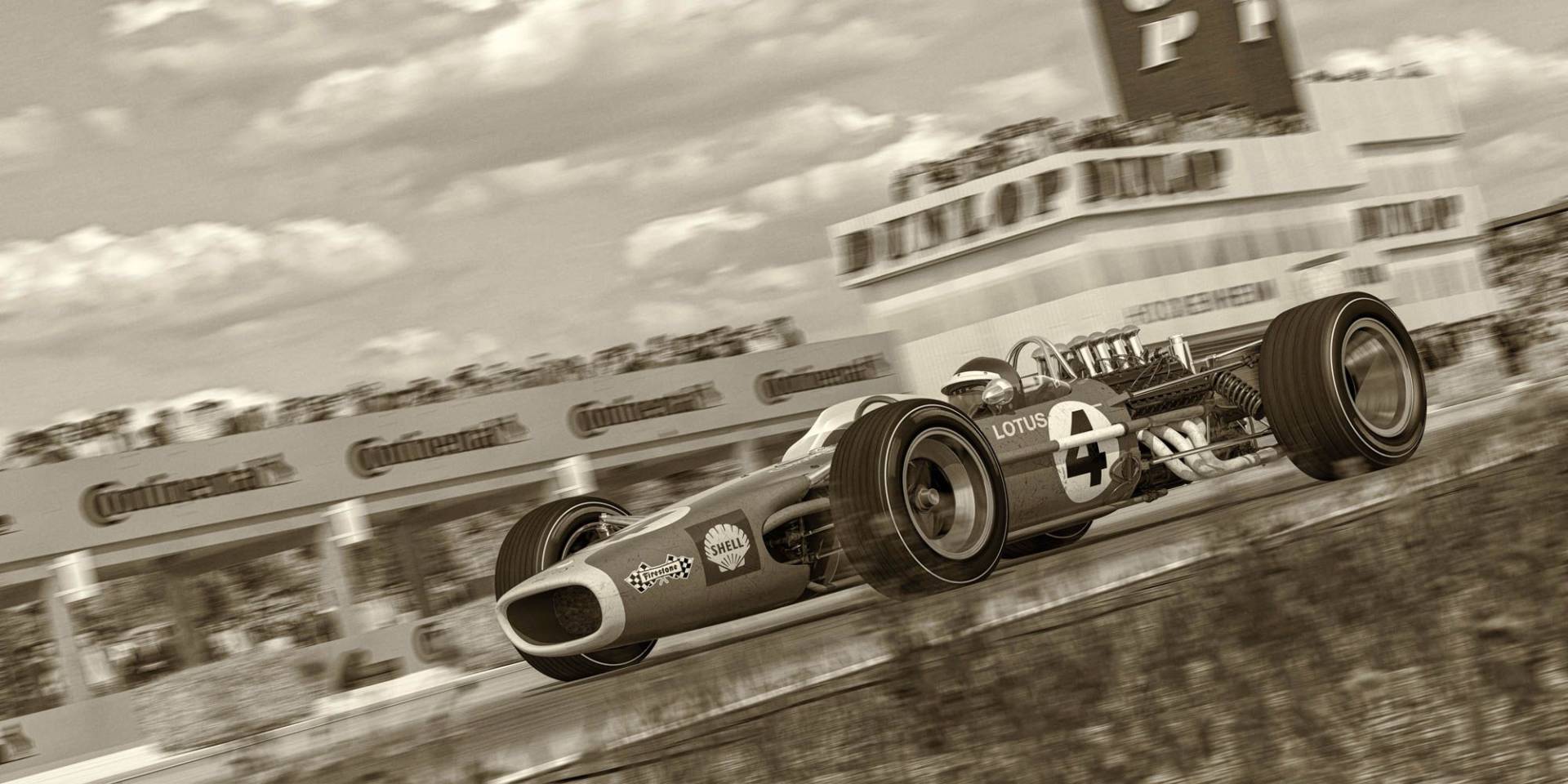
Ford’s European arm wanted an engine to take on Ferrari and BRM in Formula One. Colin Chapman pointed Ford in the direction of two men in Northampton with a reputation for brilliance. Duckworth named his price: £100,000 and complete creative freedom. Ford said yes. That deal produced not just an engine, but a legend — the DFV, or Double Four Valve.
It debuted in the Lotus 49 at Zandvoort in 1967 and won straight out of the box. Over the next 15 years, the DFV powered 176 Grand Prix victories, 12 world championships and 10 constructors’ titles.
The DFV’s brilliance came from its simplicity. Duckworth designed it as part of the car’s structure — the engine itself formed the rear half of the chassis. That made everything lighter, stiffer, and faster. In short, Cosworth democratised Formula One.
By the mid 1970s, Cosworth was not just a name stamped onto cam covers — it was a symbol of British engineering at full chat. The DFV had rewritten the rulebook in Formula One, and Ford wanted a slice of that glory in the showrooms.
It began with the Escort Mexico, born from Ford’s win in the 1970 London to Mexico World Cup Rally. Then came the RS1600, the first production car to carry a Cosworth built twin cam engine.
Through the late 70s and early 80s, Cosworth’s fingerprints were everywhere. In Formula One, the DFV evolved into the DFY and then the DFZ. Over in America, the same DNA dominated IndyCar, where the DFX became the winningest engine in the sport’s history — 151 victories and ten Indy 500 wins.
The Sierra RS Cosworth arrived in 1986, a family saloon with a whale tail and an attitude problem. Powered by a turbocharged YB engine, it was designed to win touring car races — and it did. The RS500 version was so dominant that race organisers began rewriting regulations just to slow it down.
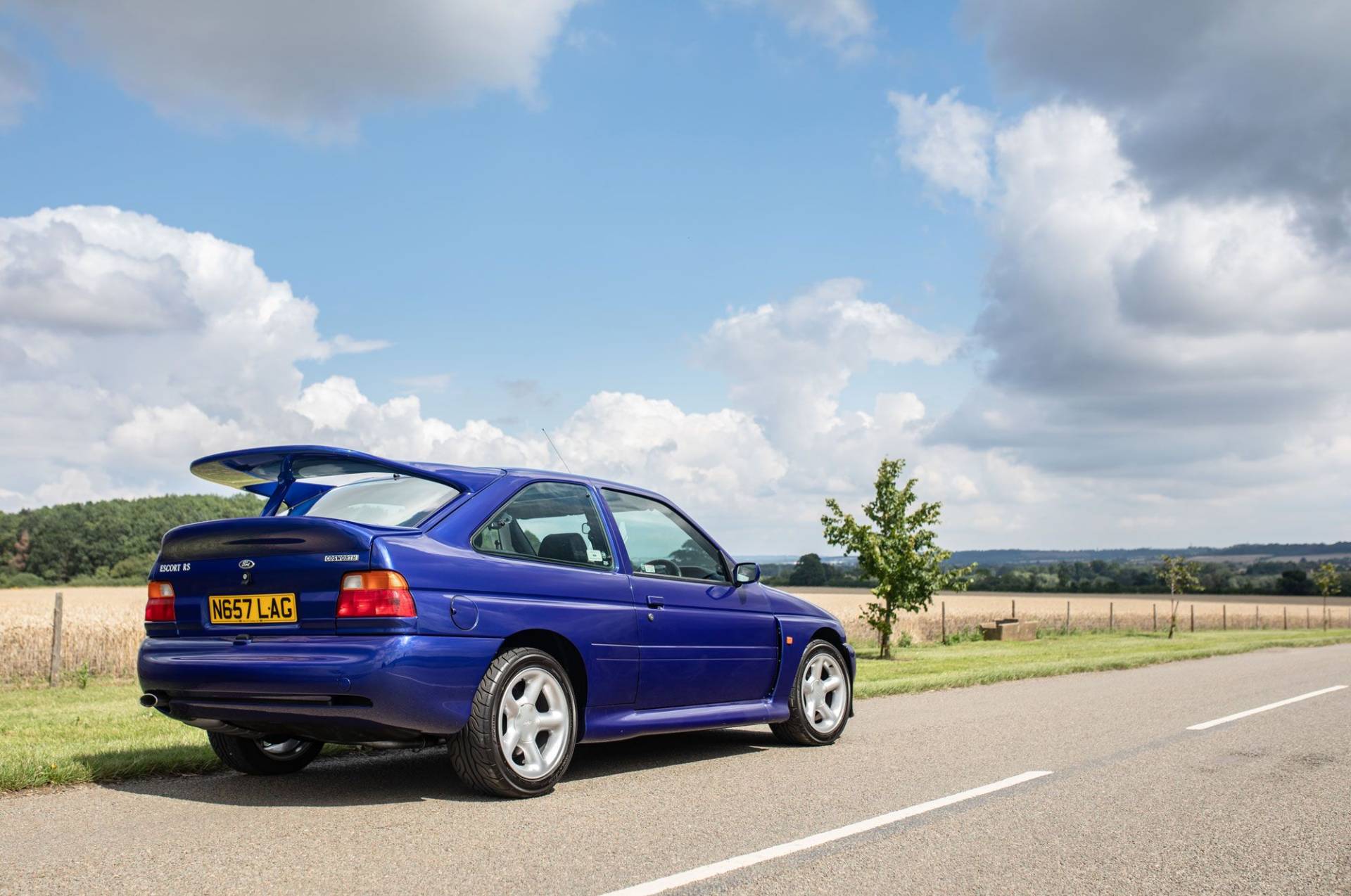
Then came the Escort RS Cosworth, the rally icon with that giant park bench rear wing. Built for Group A rallying, it had four wheel drive, 220 horsepower, and a turbo that came in like a thunderclap.
By the late 80s, Cosworth was a global powerhouse. It built engines for everything from touring cars to Formula One and aircraft projects. But beneath the surface, the world was changing.
By the time the 1990s arrived, the world that Cosworth had built was starting to move at a different pace. Formula One had changed. Turbos had taken over, budgets had exploded, and engineers now needed laptops as much as spanners.
Cosworth’s mighty DFV was now being outgunned by complex turbocharged V6s from the likes of Honda, TAG Porsche and Renault. They countered with the DFR, an updated naturally aspirated V8 that squeezed every ounce of life from a design that had started in the 1960s.
Ownership bounced around like a rally car on Welsh gravel. Vickers had bought Cosworth in the early 1980s, then sold it to United Engineering Industries, which was absorbed by Carlton Communications. In 1998, Ford stepped back in — but this time, it was not the same family.
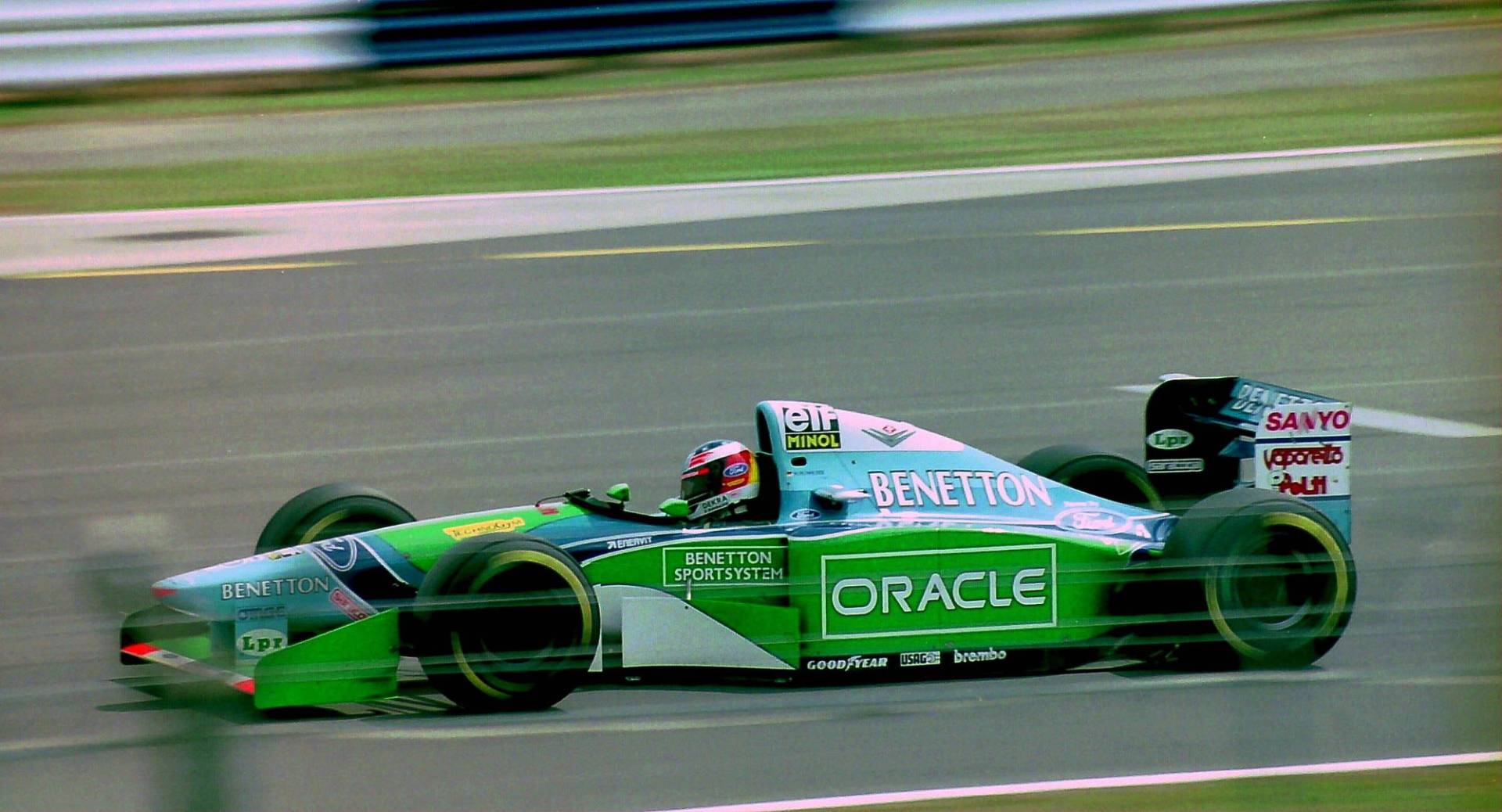
The Ford Zetec R V8 powered Michael Schumacher’s Benetton to victory in the 1994 Formula One World Championship — Cosworth’s last title winning engine. But the days of ducking under workbenches with a stopwatch were over. Formula One now ran on CAD models and marketing meetings.
Meanwhile, the Escort Cosworth ended production in 1996, closing the book on one of Britain’s most adored performance lineages. Yet, as it had done before, Cosworth evolved. It kept building racing engines — Formula 3000, Champ Car, and a return to IndyCar in the late 1990s with the XFE V8.
When Ford sold Cosworth in 2004, many assumed the lights would dim for good. But this was Cosworth — the company that had once turned two blokes and a block of metal into the most successful racing engine of all time.
Freed from corporate red tape, Cosworth rediscovered its curiosity. The Northampton headquarters now buzzed with laptops and 3D scanners. They were not just building engines anymore — they were building intelligence.
Their first big statement came with the Cosworth CA series — a 2.4 litre V8 designed for Formula One’s post V10 era. It screamed to 18,000rpm and powered teams like Williams and Lotus.
Cosworth realised that modern racing was not just about combustion — it was about information. Their telemetry systems and dashboards began appearing in race cars and prototypes worldwide.
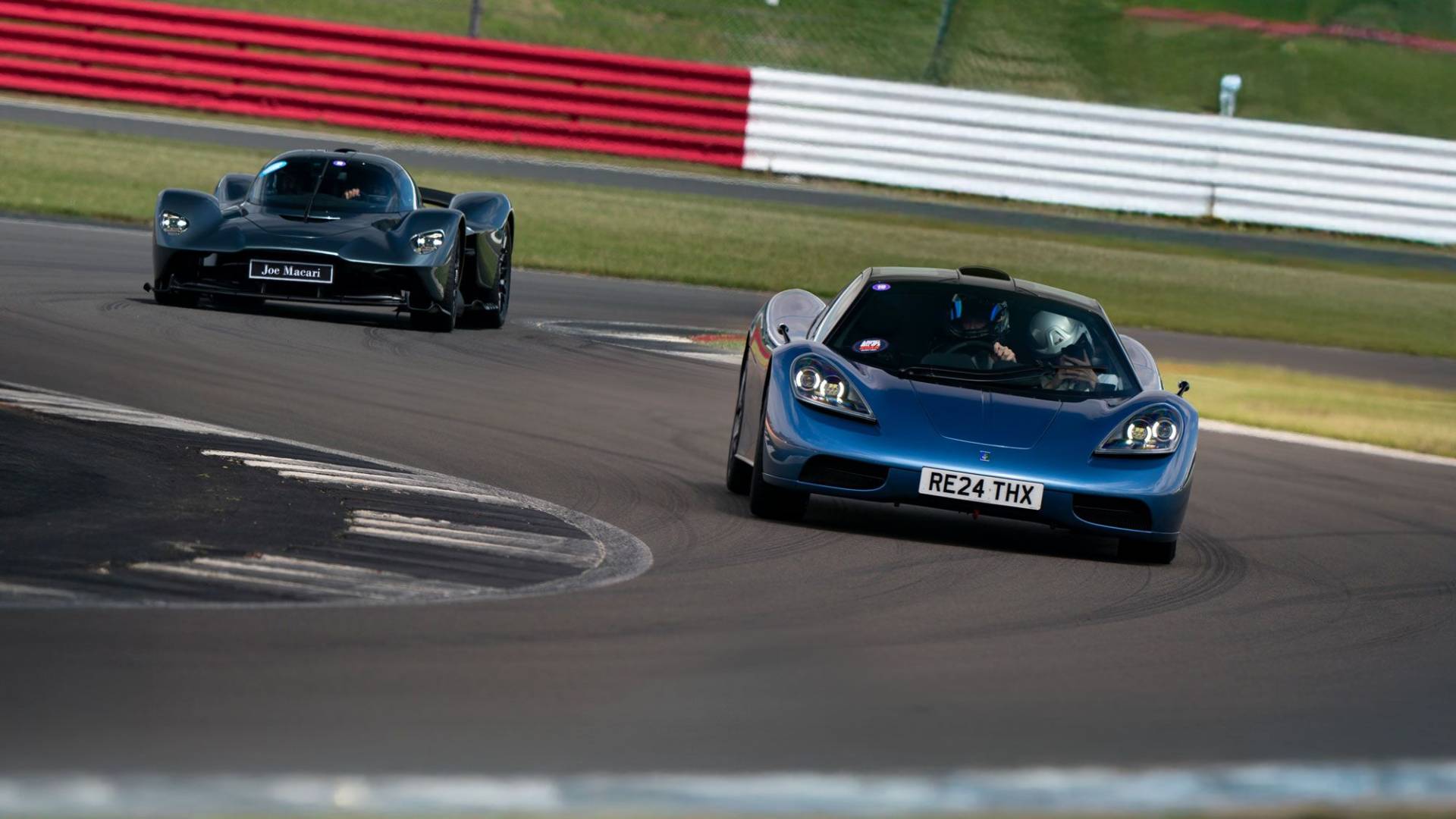
That pivot kept them alive and led to extraordinary collaborations. Gordon Murray chose Cosworth for the GMA T.50’s V12 — a 3.9 litre masterpiece revving to 12,100rpm. Then came the Aston Martin Valkyrie’s 6.5 litre V12, 1,000 horsepower, no turbos, pure theatre.
Cosworth now builds hybrid systems, battery electronics and aerospace components. They are working with defence firms, EV startups, and autonomous developers. The 60s were about revolution, the 80s about domination, and the 2020s are about reinvention.
Walk through the doors at Cosworth today and you can feel it. That quiet hum of history. It is not a museum — it is alive, restless, ticking over like one of their own engines waiting for the lights to go out.
This is British engineering in its purest form — the kind that starts with a sketch on a napkin and ends up on a grid in Monaco. It is the spirit of Mike Costin and Keith Duckworth: stubborn, brilliant, and slightly mad.
Cosworth’s fingerprints are on almost every great moment of motorsport. From Jim Clark’s Lotus 49 to Schumacher’s Benetton, to rally Escorts throwing gravel at the moon — all of it carries a trace of those two names stamped in silver letters.
Cosworth gave Britain a reputation. When the world thinks of racing innovation, it thinks of that little island that somehow builds world beating things in industrial estates and sheds.
Every DFV that screamed down a straight, every Sierra that tore up a touring car grid, every Escort that sent gravel flying — all of it was powered by the same belief: that passion, precision and persistence will always win.
Cosworth did not just build engines. They built moments. They built heroes. They built the soundtrack to a nation that lives for the smell of petrol and the sound of victory.
And somehow, through all the takeovers, regulations and revolutions, they are still here. Still racing. Still pushing. Still British.
Because you can change the rules. You can silence the engines. But you cannot kill the sound of a Cosworth at full throttle.
Written by Paul Pearce