Feature
The Veyron: Has the Market Got This One Wrong?
I think the Bugatti Veyron might be one of the most undervalued important cars of the last 25 years, sounds ridiculous but hear me out...
October 7, 2026

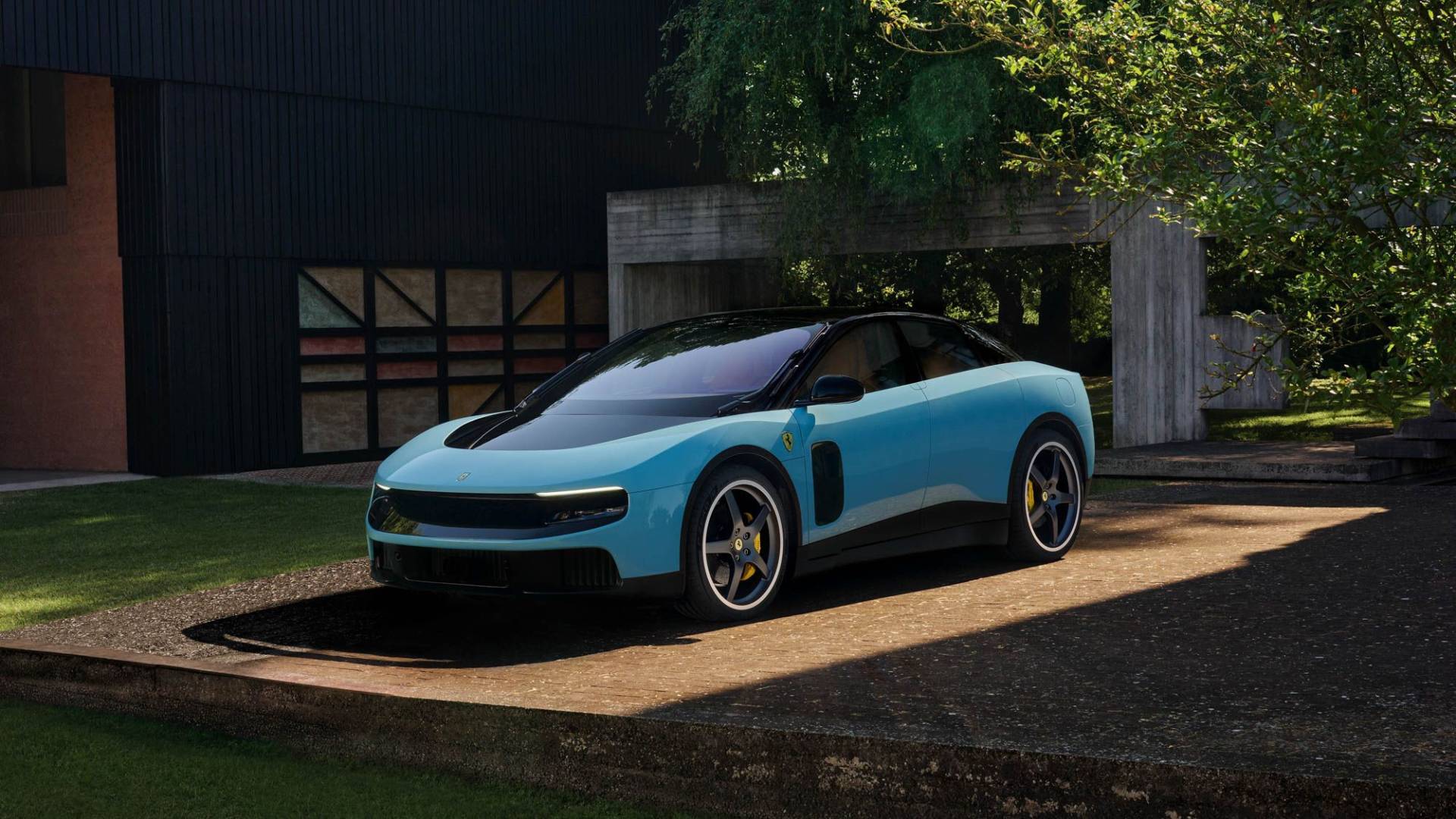
The Ferrari Luce is perhaps the most divisive car ever launched, and Paul thinks we're all missing the point.
There’s a moment in life when you realise you’ve become your dad. For some people, it’s when they start making involuntary noises while sitting down. For others, it’s when they suddenly develop very strong opinions about lawn edging. For Ferrari enthusiasts, it happened the moment the Luce was unveiled and thousands of middle-aged men simultaneously climbed onto the internet to announce:
Ferrari is dead.
Which was odd really, because Ferrari itself appeared to be very much alive. Quite busy, in fact. Still selling every V12 it can build. Still making cars that scream at 9,500rpm. Still painting everything Rosso Corsa. Still charging extra for carbon fibre that weighs approximately the same as a digestive biscuit.
Yet here we all are, acting as though Enzo himself had been exhumed from Modena and forced to drive a Nissan Leaf through a low-emissions zone.
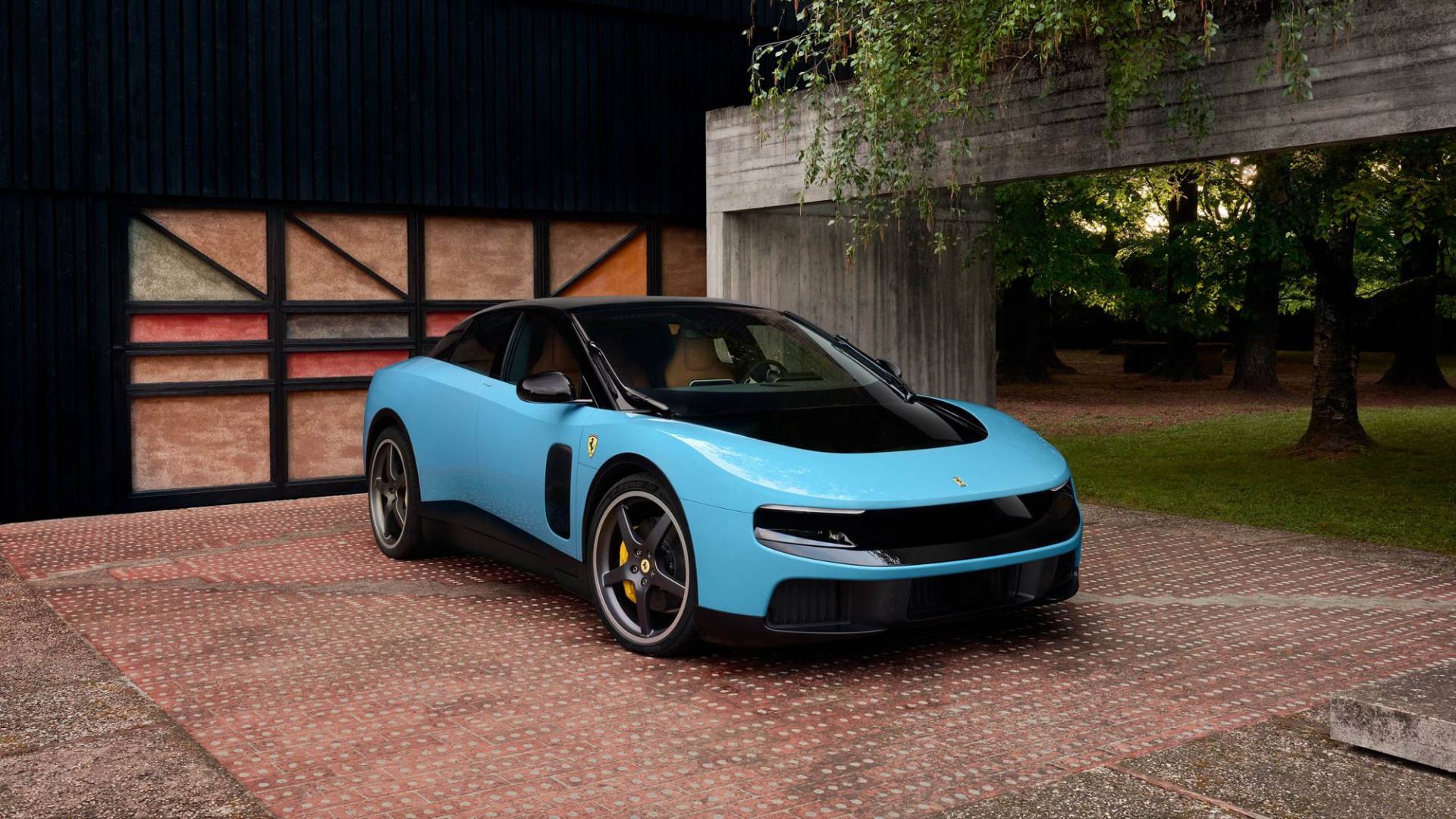
The Ferrari Luce is electric. That’s the problem. Or at least, that’s what everyone thinks the problem is. But the more I’ve read about the Luce, the more I think Ferrari may have pulled off something absolutely genius. Not because the Luce is a car that I desperately want. It isn’t. I wouldn’t choose one over a V12 Ferrari if you threatened to lock me in a room listening to Ed Sheeran B-sides for eternity.
But because the Luce might be the very thing that saves the cars we actually love. And for that, I think we should probably be thanking Ferrari rather than angrily typing things like “RIP Ferrari” underneath Instagram posts while sat in traffic in a diesel Audi Q5.
Because here’s the thing. Ferrari knows exactly who this car is for. And more importantly, they know who it isn’t for.
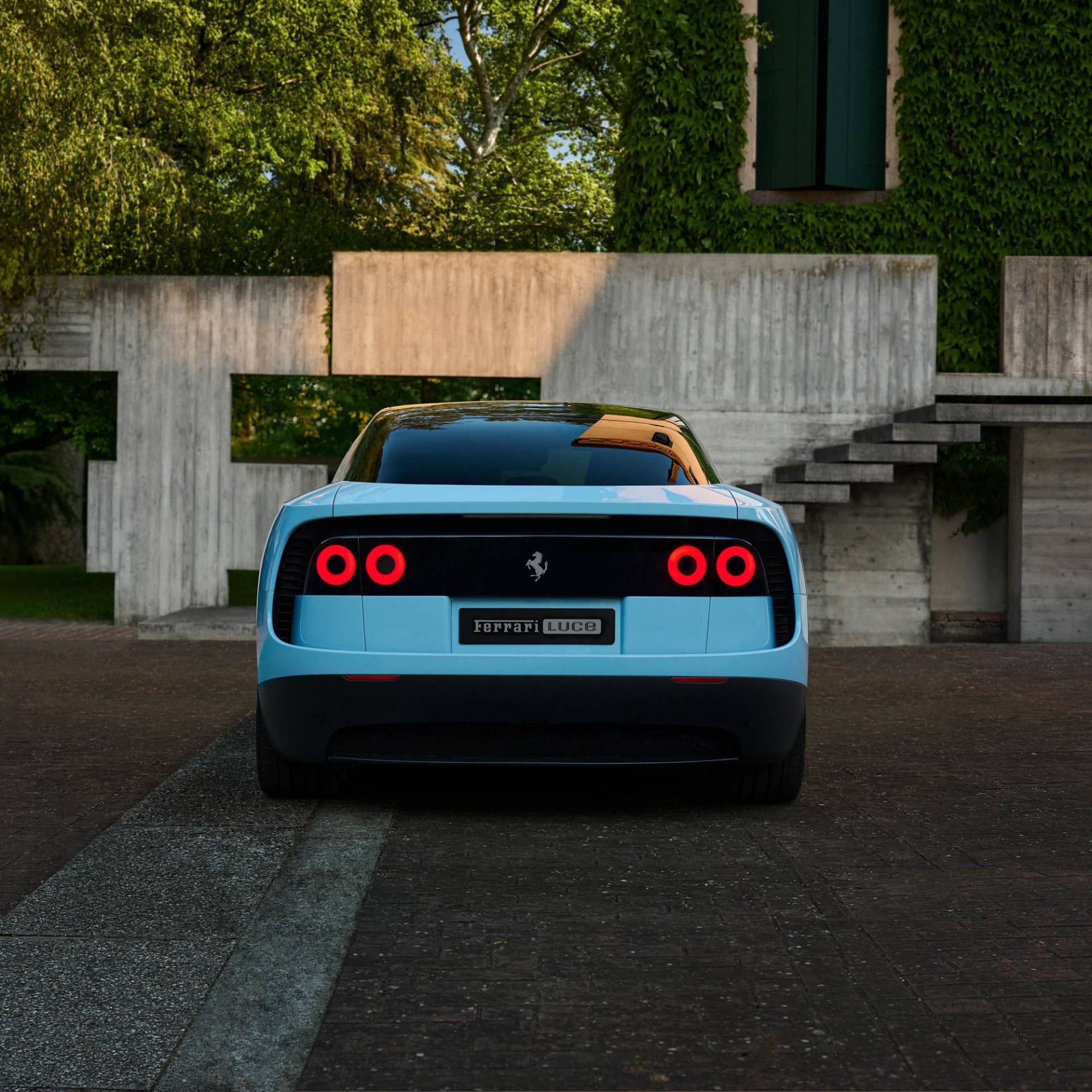
The fascinating detail hidden amongst all the outrage is that Ferrari expects around 80% of Luce buyers to be completely new to the Ferrari brand. Not existing Ferrari collectors. Not the chap who owns three Speciales and a Daytona SP3 and says things like “the steering on the F40 was more analogue”. New customers.
People who perhaps live in cities. People who already own electric luxury cars. People who want cutting-edge technology and design more than the emotional violence of a naturally aspirated V12 detonating through a mountain tunnel in northern Italy.
And Ferrari has instructed dealerships not to use the Luce as some kind of stepping stone towards “better” Ferraris. That bit matters enormously. Because Ferrari isn’t trying to force traditional Ferrari customers into electric cars they don’t want.
They’re doing the opposite. They’re finding a completely different customer base altogether. Which means the rest of us can continue behaving like overgrown children every time a V12 appears within hearing distance. And honestly? That’s brilliant.
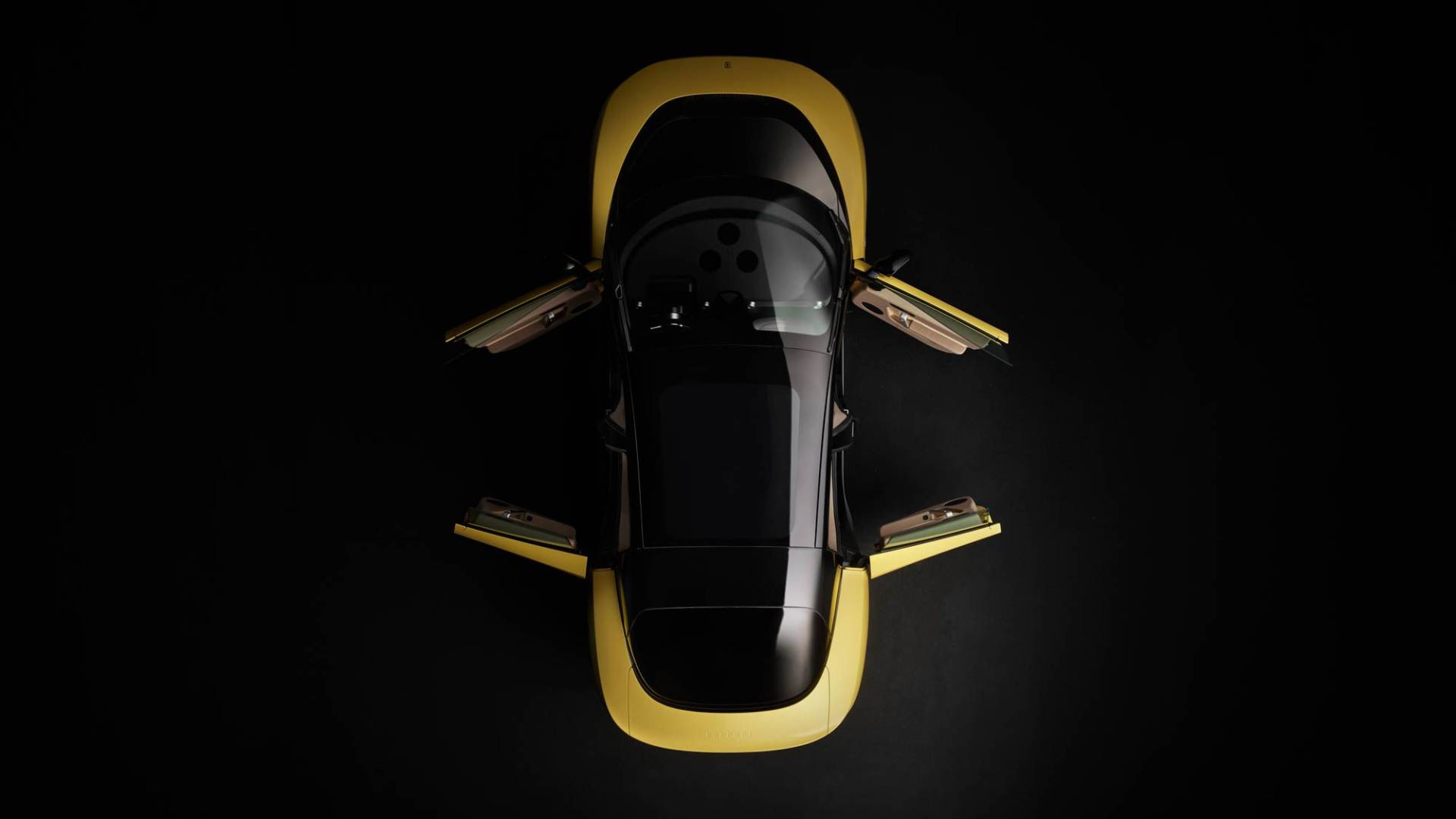
Because we live in a world now where regulations exist for a reason. The planet does matter. Whether people like hearing it or not, manufacturers can’t just continue endlessly building twelve-cylinder fire-breathing monsters while pretending emissions laws are merely polite suggestions. Something has to give.
The easy route would’ve been for Ferrari to slowly dilute every car in the range. Shrink the engines. Add more hybridisation. Reduce drama. Remove noise. Turn everything into highly efficient turbocharged appliances with enough emotional appeal to rival an induction hob.
Instead, Ferrari seems to have done something incredibly clever. They’ve built a product aimed at people who genuinely want an EV. And by doing that, they potentially buy themselves the breathing space to continue building the lunatic petrol-powered Ferraris the rest of us adore.
It’s basically automotive diplomacy. A sacrificial offering to the gods of regulation. Except the funny part is that the sacrifice itself is astonishingly impressive. Because the Luce isn’t just an electric Ferrari. It’s Ferrari trying to reinvent what an electric car feels like. And some of the engineering hidden underneath it is properly fascinating.

Take the motors. Most people hear “electric motor” and picture something roughly as emotionally engaging as a washing machine drum. But Ferrari hasn’t simply bought generic motors off a shelf somewhere and bolted them underneath a carbon tub.
The Luce uses four bespoke electric motors developed entirely in-house. One for each wheel. That means each wheel can be controlled independently. Tiny adjustments can be made hundreds of times every second. If one tyre starts losing grip, the car can react instantly. Not through brakes. Not through traction control strangling the power. Through the motors themselves. Imagine four Olympic rowers all paddling independently with perfect coordination while someone throws buckets of water into the boat. That’s basically what’s happening underneath the Luce.
And then there’s the really nerdy bit. Ferrari has used something called a Halbach array in the motor design. Now, that sounds like a Scandinavian crime drama starring a detective with alcohol dependency issues. But it’s actually a very clever arrangement of magnets.
Normally, electric motors waste magnetic energy because the magnetic field spreads in all directions like a toddler with a garden hose. A Halbach array concentrates the magnetic force exactly where it’s needed and almost cancels it out everywhere else.
Which means: More efficiency. More torque. Less wasted heat. Smaller motors. Lighter motors. And faster response. It’s basically the electrical equivalent of putting a sniper rifle scope on magnetism.
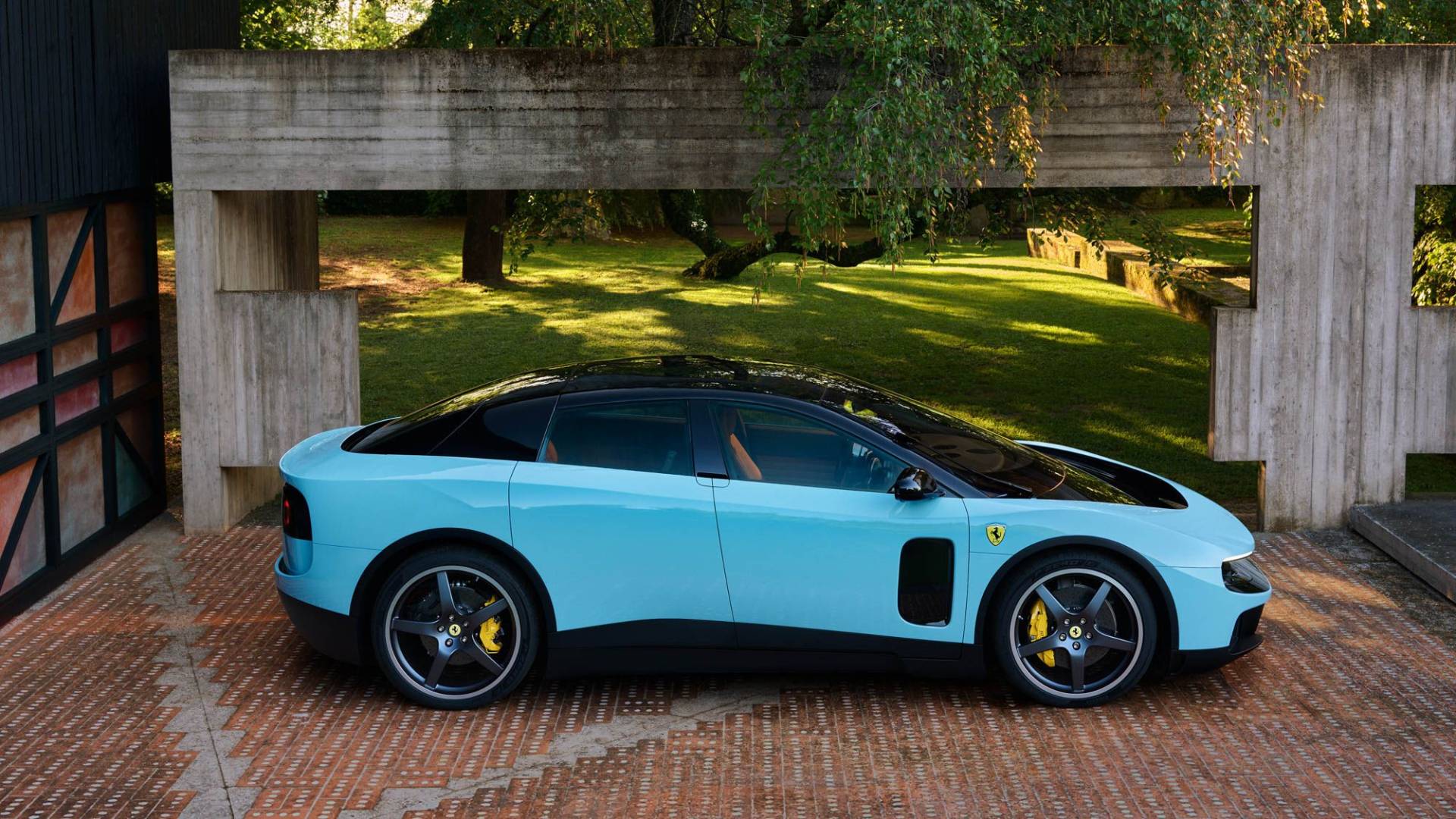
The rear motors alone produce over 400 horsepower each. Each. Which is utterly absurd when you stop and think about it. There are entire generations of Ferraris that didn’t produce that much power in total. And yet somehow, the Luce isn’t actually about headline numbers.
That’s what makes it interesting. Ferrari could’ve made it the fastest thing on Earth in a straight line. Other manufacturers already have. The Rimac Nevera accelerates so violently it probably rearranges your organs alphabetically.
But Ferrari seems obsessed with something else entirely. Emotion. Which is where things get slightly mad. Because Ferrari knows electric cars can feel strangely sterile. Fast, yes. But emotionally flat. Like being launched out of a catapult while sat inside an iPad.
So instead of adding fake V12 noises through the speakers like some sort of automotive karaoke machine, Ferrari has created a sound system based around the genuine mechanical noises from the motors and drivetrain.
The actual frequencies. The actual harmonics. Amplified and manipulated musically. Think less “fake petrol engine”. More “electric symphony orchestra”. Apparently it sounds somewhere between a futuristic race car and an electric guitar being attacked by Zeus. And honestly, I admire Ferrari enormously for this.
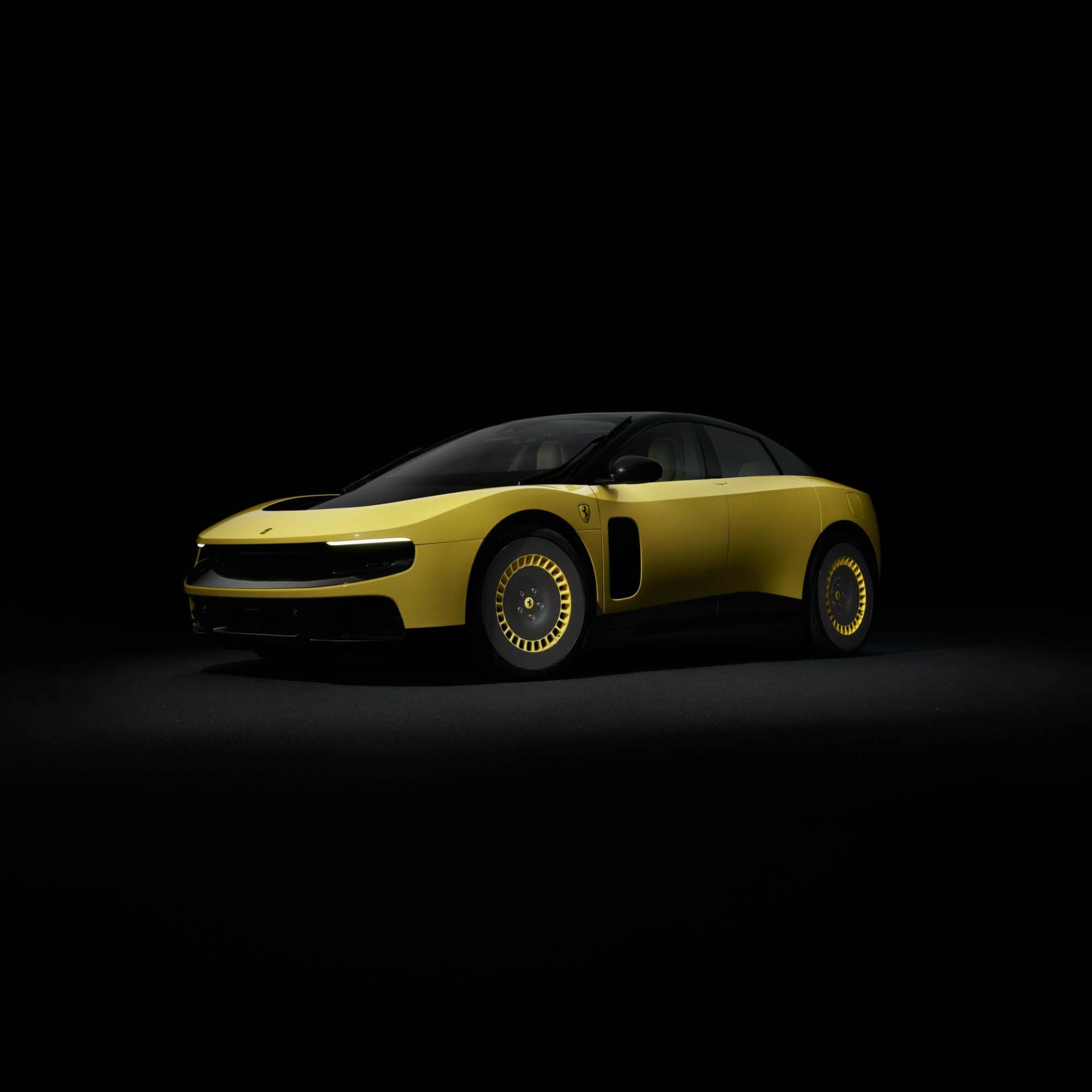
Because they could’ve played it safe. They could’ve just made pretend engine noises and hoped nobody noticed. Instead, they’re trying to invent a completely new type of Ferrari soundtrack. That takes courage.
And then there’s the charging. This is usually the point where non-EV owners glaze over and start looking for snacks. But the Luce’s charging system genuinely matters because Ferrari appears to have understood something crucial: Nobody buying a Ferrari wants to spend half their life parked next to a Costa Coffee waiting for electrons.
So the Luce uses an 880-volt electrical architecture capable of charging at up to 350kW. Which sounds meaningless until you realise what it actually means in practice.
The voltage is essentially pressure. Higher voltage allows huge amounts of energy to move through the system without generating ridiculous levels of heat. Because heat is the enemy. Heat wastes energy. Heat damages batteries. Heat turns expensive Italian machinery into a very expensive bonfire.
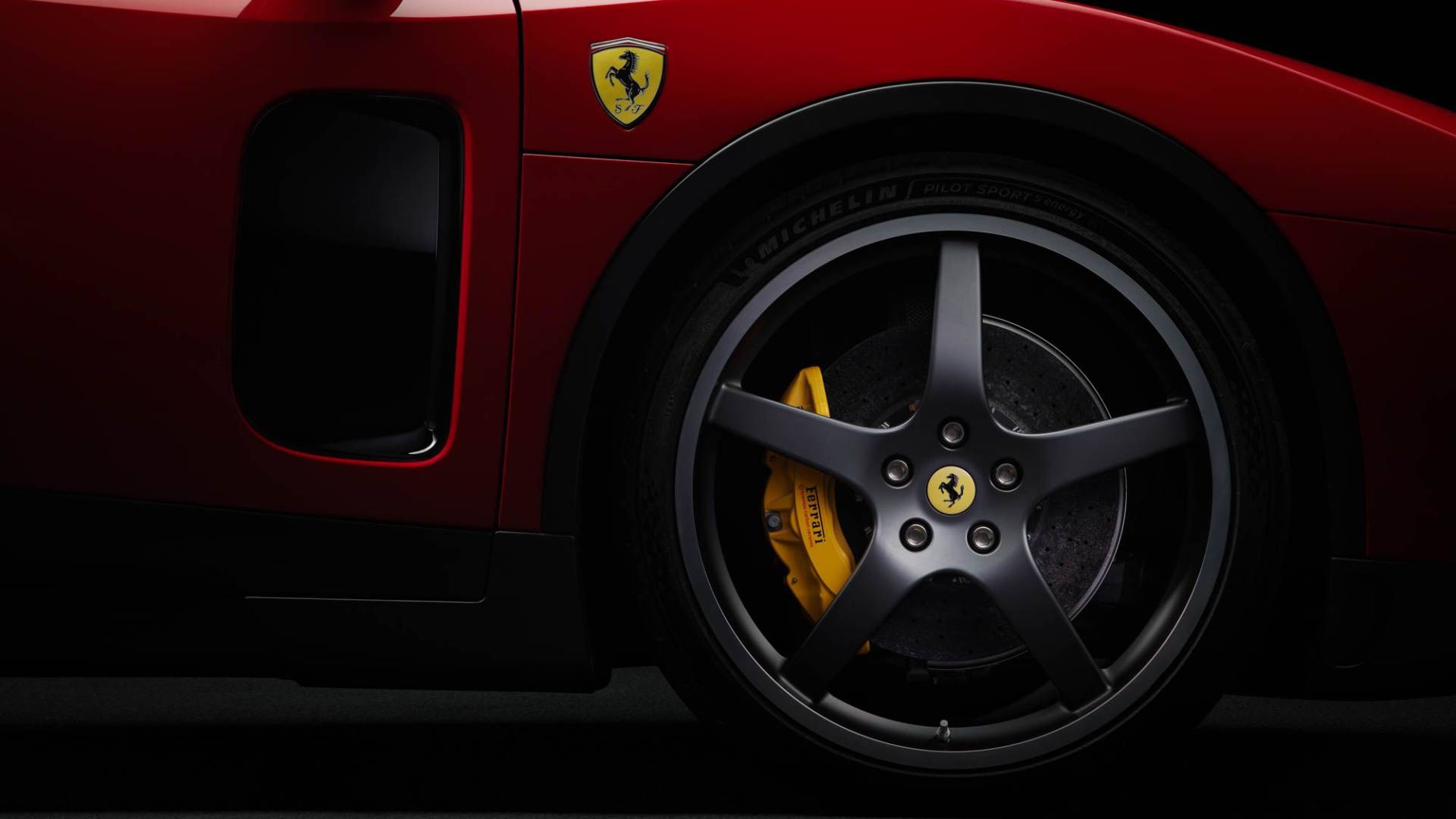
By increasing voltage, Ferrari can push enormous charging speeds safely and efficiently. The result? Around 10% to 80% charge in under 25 minutes. That’s barely enough time for a motorway service station coffee to cool down from “surface of the sun” to “medically safe”.
And the battery itself is enormous. Around 122kWh. For context, that’s more energy storage than many small houses use in several days, which helps explain the Luce’s expected range figures of roughly 330 miles under WLTP testing. Though naturally, if you drive it like a Ferrari owner, you’ll probably reduce that figure dramatically while laughing maniacally.
Then there’s the suspension. This is where Ferrari engineers appear to have completely lost their minds in the best possible way. The Luce doesn’t even use traditional anti-roll bars.
Now, for non-mechanically minded people, anti-roll bars are basically metal bars connecting the suspension together to stop the car leaning over in corners like a Labrador trying to look out of a car window. But anti-roll bars are always a compromise. Make them stiff, and the car corners flatter, but rides worse. Make them softer, and the ride improves, but handling suffers.
Ferrari’s solution? Get rid of them entirely. Instead, the Luce uses an advanced active suspension system that constantly controls body movement electronically in real time. Every wheel. Every bump. Every corner. Constantly adjusting. The car essentially thinks faster than physics. Which sounds impossible. And probably slightly witchcraft-adjacent.

The truly bizarre thing is that despite weighing well over two tonnes, the Luce reportedly feels agile because the car is constantly disguising its own mass. It’s like watching a ballet dancer the size of a bungalow.
And perhaps that’s the biggest achievement here. Ferrari understands that electric cars cannot simply replace petrol Ferraris emotionally. They’re different. Entirely different. So instead of trying to imitate the old world, they’re building a new one. And maybe we need to stop punishing them for that.
Because while everyone online has been shouting “this isn’t a real Ferrari”, Ferrari itself has quietly continued building V12 cars, special series cars, naturally aspirated engines and glorious pieces of nonsense for the enthusiasts who love them.
The Luce doesn’t threaten those cars. It protects them. That’s the point everyone’s missing. Ferrari isn’t asking you to stop loving petrol engines. Ferrari isn’t demanding you replace your 812 Competizione with a giant battery on wheels. Ferrari has effectively said: “Don’t worry, we've got you. We found somebody else to buy this instead".
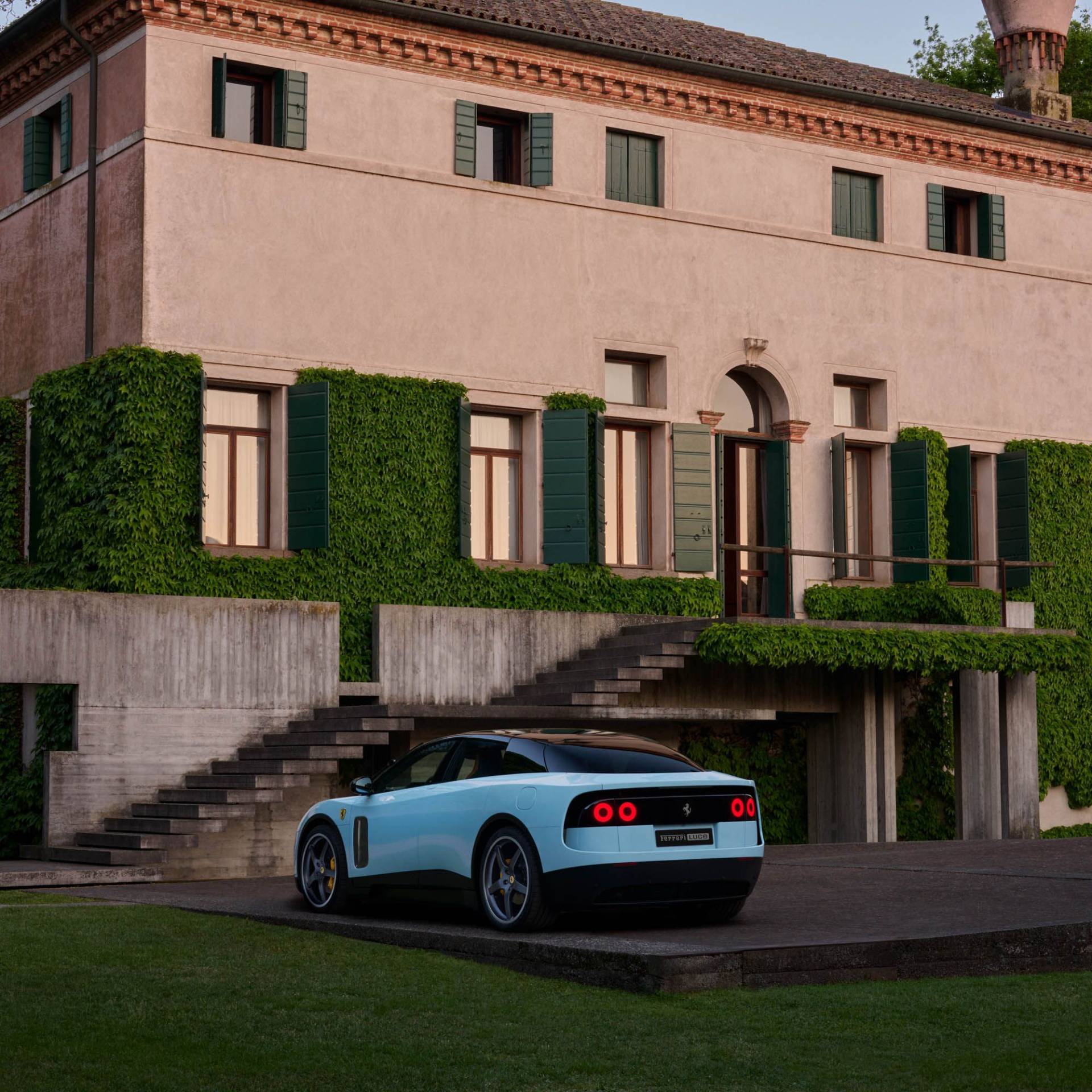
And frankly, we should be incredibly grateful for that. Because there are manufacturers right now forcing loyal customers towards downsized engines and diluted products, whether they like it or not.
Ferrari hasn’t done that. They’ve built something aimed almost entirely at a different audience so the rest of us can continue enjoying the cars we actually dream about. That’s not betrayal. That’s strategy. Very clever strategy.
So no, I don’t personally want a Ferrari Luce. I don’t suspect many traditional Supercar Driver members do either. But that doesn’t mean it’s bad. It doesn’t mean Ferrari has lost its soul. And it certainly doesn’t mean we should sneer at it from the sidelines like angry old men shouting at clouds.
Because if the Luce succeeds, there’s every chance it helps preserve the future of the cars we truly love. The screaming V12s. The glorious V8s. The ridiculous special series cars. The absurd naturally aspirated engines that make absolutely no sense in a modern world.
And if Ferrari has managed to protect that future by selling wonderfully engineered electric cars to people who genuinely want them, while leaving the rest of us free to continue worshipping petrol like medieval peasants discovering fire, then perhaps the correct response isn’t outrage.
Perhaps the correct response is simply this: Thank you, Ferrari.
Written by: Paul Pearce