Feature
Could Your Modern Classic Be Underinsured?
Recently certain examples of Modern Classics have seen values increase quite dramatically, has your insurance valuation changed to reflect that?
September 24, 2026
Why McLaren's new logo means much more than you think.
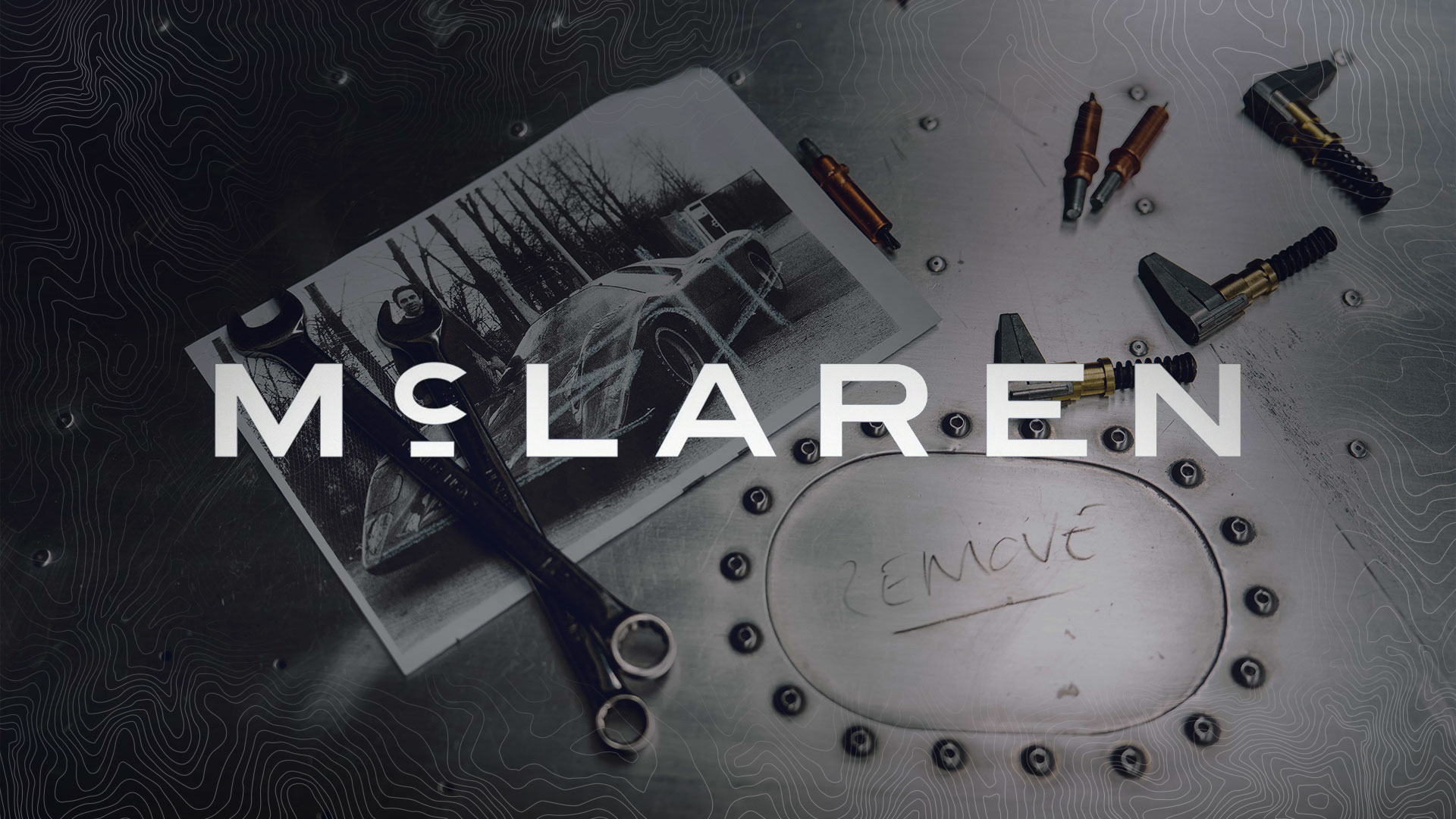
My first thought on seeing McLaren’s new logo was that I wouldn’t be putting a deposit down until I’d checked their reviews on Checkatrade. Here was McLaren — a company responsible for some of the most beautiful, frightening and technically outrageous machines ever to wear number plates — suddenly looking like it could replace your conservatory.
The old logo looked fast standing still. It leaned forwards as though it had somewhere urgent to be, with that familiar Speedmark sweeping away behind it. You could print it on a tea towel, and somehow the tea towel would look capable of 200mph.
The new one looked like it would be round Tuesday morning to measure up. I could already see the van. McLAREN — Windows, Doors, Fascias, Soffits — Family Business Since 1937. No Job To Small.
There would be a mobile number underneath and a photograph of a conservatory somewhere near Basingstoke. Walk into the dealership and ask about a 750S and Darren would appear from the back in a fleece, suck air through his teeth and tell you the doors were going to be a problem. “See, mate, what somebody’s done here… they’ve hinged ’em at the top". Yes, Darren. They’re dihedral doors. “Yeah. Well. We wouldn’t have done it like that".
He’d wander around the back, slap the carbon fibre diffuser and explain that he could probably get the parts cheaper through his brother-in-law. The car would still do 0 - 60mph in a little over two seconds, but the passenger seat wouldn’t arrive until March because Kev had done his back in.
And then there was the little line underneath the c. An underline. Why? Was the c structurally unsound? Had building control been round? Was it load-bearing?
I stared at this thing, genuinely wondering how one of the most famous performance brands on Earth had managed to redesign itself into a company that would also jet-wash your driveway for another £80 while they were there.
Judging by the reaction online, I wasn’t alone. People were asking what was wrong with the old one. Why change something so recognisable? Why take lettering that looked as though it belonged on the nose of a racing car and replace it with something that looked entirely comfortable embroidered onto Gary’s work polo? I was enjoying myself enormously, because there are few pleasures in modern life quite like discovering something on the internet, forming an immovable opinion about it within eleven seconds and then finding several hundred strangers who agree with you.
And then I saw a photograph, which was irritating, because the photograph ruined everything.
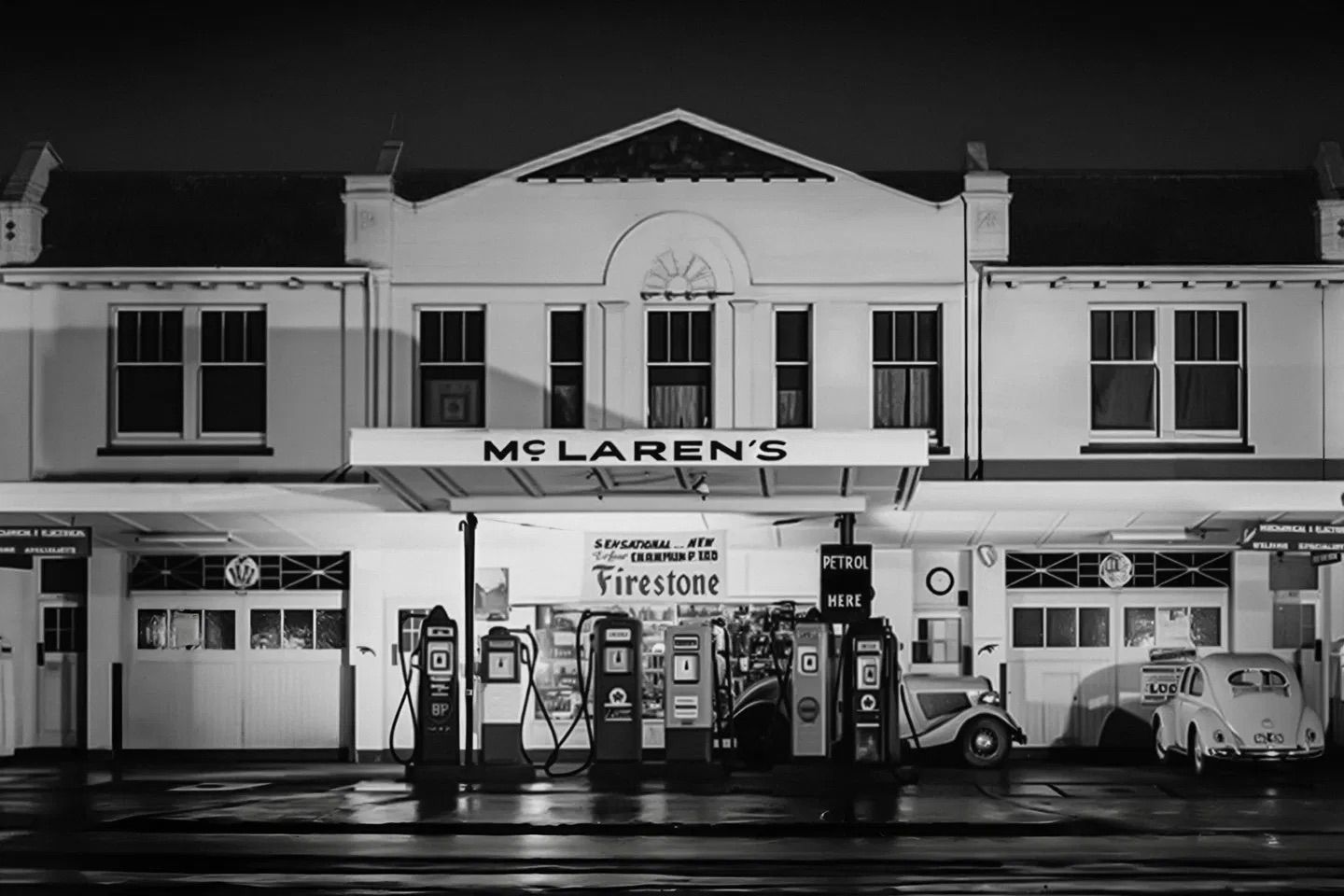
It was old, black and white and nothing particularly dramatic. Just a garage. A service station in Remuera, Auckland, owned by Les and Ruth McLaren. Above the building was their name — McLaren — written in lettering unmistakably connected to the logo I’d spent the previous ten minutes taking the piss out of.
Oh, you bastards. Because suddenly it wasn’t really a logo at all. It was the name above Bruce McLaren’s mum and dad’s garage, and once you know that, you can’t unknow it.
Before McLaren meant Senna, Prost, Hunt, Häkkinen, Hamilton or Norris, before the F1, the P1, papaya grandstands, carbon fibre tubs, champagne, Monaco, Le Mans and championship trophies, and before anybody outside one corner of New Zealand had any particular reason to care about the word, McLaren was simply the name above the door of a family garage. And inside it was a little boy who liked cars.
Bruce’s childhood hadn’t begun like the opening chapter of a motorsport legend. At nine, he developed Perthes disease, which affected his hip. He spent a long period in hospital and his movement was restricted. Before the world knew Bruce McLaren as a racing driver, there had been a child for whom simply walking properly was something that couldn’t be taken for granted.
That matters, because we have a habit of looking backwards at extraordinary people and assuming there was always something extraordinary about the view ahead of them. There wasn’t. Bruce couldn’t see McLaren Racing, Formula One championships, a McLaren F1 selling for millions, Ayrton Senna at Monaco or thousands of people wearing papaya. He couldn’t see any of it.
What he could see was his dad’s garage and, eventually, an Austin Seven. Les and Bruce worked on it together, father and son making an old car better, and there is something wonderfully ordinary about that. The same scene has happened in thousands of garages: a dad passing over a spanner, a son asking what something does, an engine refusing to start, a swear word, another attempt, a slightly bigger swear word, some tea and, eventually, the engine catching.
Neither of them needed to know they were beginning one of the great stories in motor racing. They were just trying to make an Austin Seven go faster which, when you think about it, remains pretty much the entire philosophy of McLaren: make the thing, understand the thing and then make the thing faster.
Bruce came to Britain in 1958, thousands of miles from home, in a country with worse weather, warmer beer and people who had somehow decided that putting baked beans on toast constituted a meal. Within a year, aged 22, he had won the United States Grand Prix. At 22, I suspect most of us were still making financial decisions based primarily on whether there was enough money left for a kebab. Bruce McLaren was winning Grands Prix.
Then he did something even more ridiculous and decided to build his own cars. In 1963, Bruce McLaren Motor Racing was born, and five years later, at Spa in 1968, Bruce won a Formula One Grand Prix in a car carrying his own name.
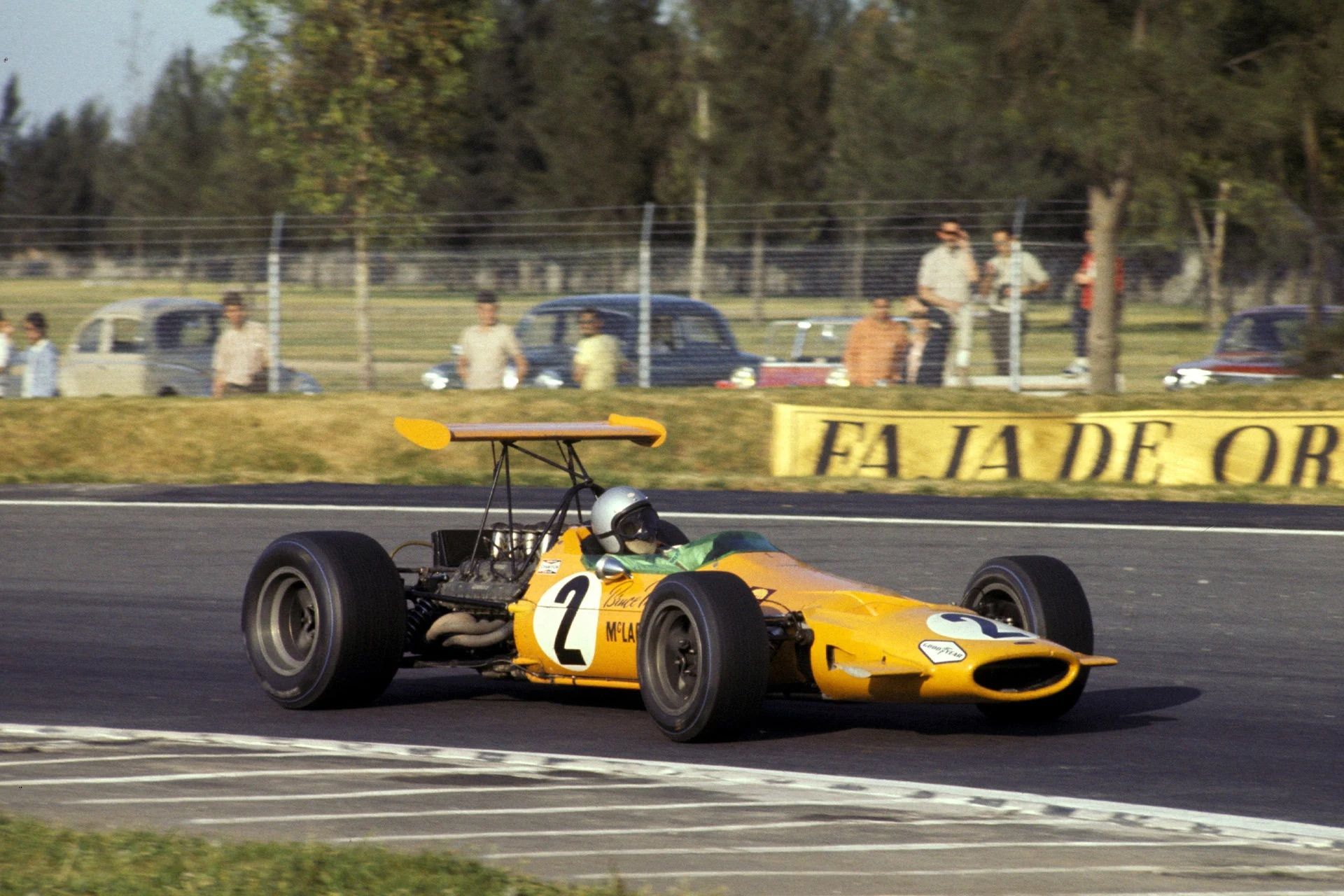
Stop and think about the absurdity of that achievement for a moment. A boy from New Zealand comes to Britain, races against the best drivers in the world and then decides being one of the best drivers in the world isn’t quite enough, so he builds a racing team, helps build a car, puts his own name on the front and wins with it. That is an almost unreasonable amount of self-belief. I need emotional support before ringing Sky to renegotiate the broadband.
Bruce took on Formula One, Can-Am, sports cars and engineering projects, surrounding himself with people who were just as obsessed with making things work properly as he was. The first McLaren crest carried a kiwi, designed by motorsport artist Michael Turner in honour of Bruce’s homeland. Later came Doug Eyre’s Speedy Kiwi, which made the poor bird look as though it had just remembered it had left the oven on.
And then came Can-Am, where McLaren’s great orange monsters didn’t so much participate as arrive and begin eating it. Bruce McLaren and Denny Hulme became the Bruce and Denny Show and, between 1967 and 1971, McLaren won 37 of 43 Can-Am races.
Imagine being one of the other teams. You’ve spent all winter designing a racing car, hired engineers, tested it, transported the entire operation across North America and brought your family along to watch. The flag drops and there are those bloody orange things again. At some point you’d stop asking how to beat McLaren and start asking whether there were any vacancies.
Everything was growing — the team, the reputation and the name — and Bruce was still only in his thirties, which is why what happened next still feels so brutally wrong.
On 2 June 1970, Bruce was testing the M8D Can-Am car at Goodwood when something failed and the car left the circuit. Bruce McLaren was killed. He was 32.
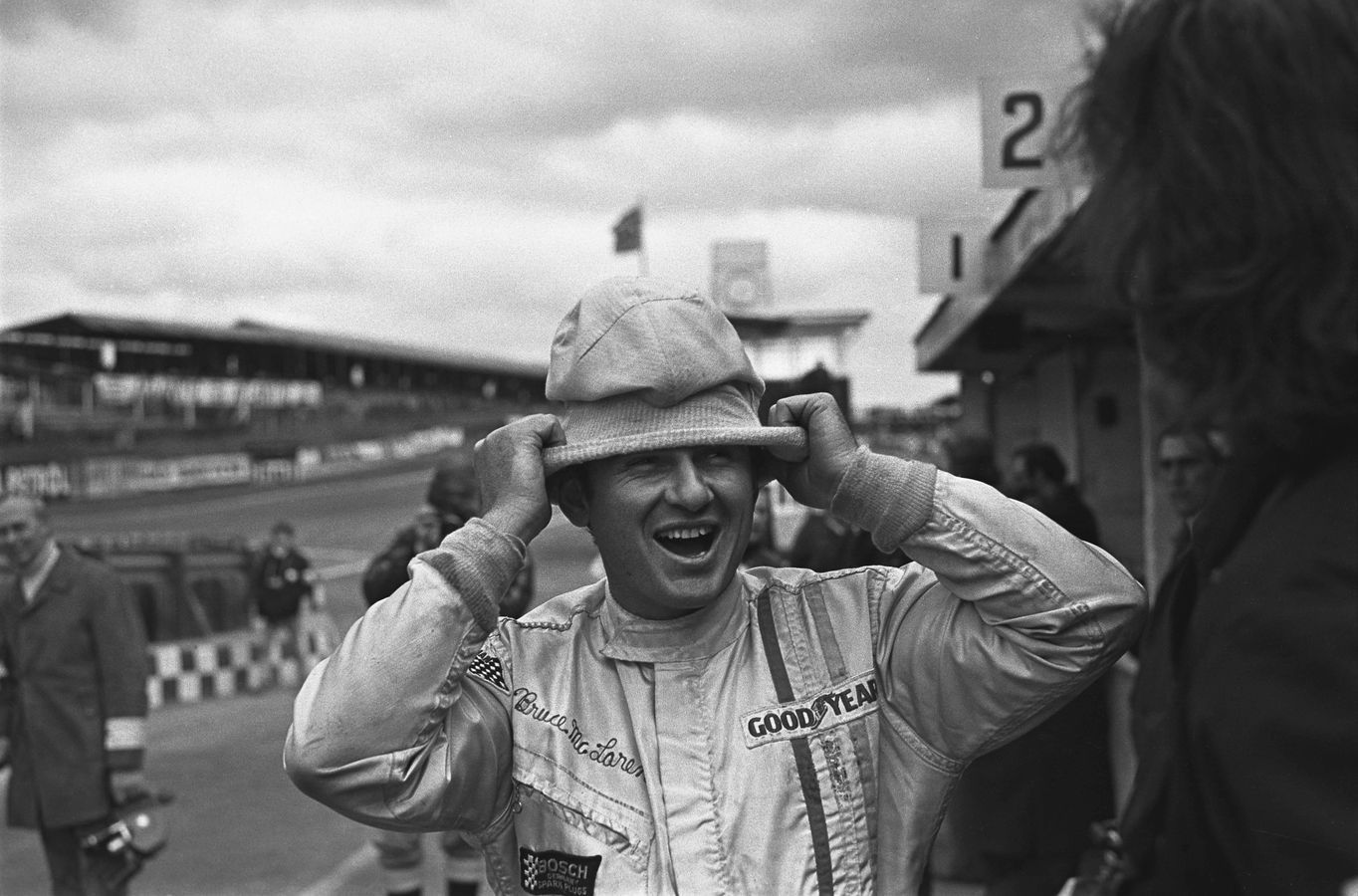
I keep coming back to that age because history has made Bruce McLaren feel older than he was. Not physically old, obviously, but established and monumental; one of those names that seems to have existed forever. McLaren sounds permanent. Bruce wasn’t. He was a young husband and a father. His wife Patty lost her husband that day and Amanda McLaren, aged four, lost her dad.
Suddenly all the statistics become irrelevant. Forget Formula One for a moment, forget Can-Am and forget the trophies. Somewhere there was a little girl whose father wasn’t coming home, and there is no championship capable of making that better.
Back at McLaren’s workshop in Colnbrook, Teddy Mayer gathered the staff and told them Bruce had died. He sent them home and told them they could have the following day off as well. They came back anyway, and that part gets me every time. Not because they knew McLaren would one day become one of the greatest names in motorsport — they couldn’t possibly have known that — but because they had lost somebody they cared about and still chose to return to the place where they had worked alongside him.
There was no Senna, Prost, F1 road car, Hamilton, P1, vast Technology Centre in Woking, constructors’ championships or papaya army waiting in their imagination to reassure them that carrying on would be worth it. There was simply an empty place in the workshop where Bruce should have been, and they went back through the door, picked up their tools and carried on.
That, to me, is the moment McLaren became more than one man. Bruce had built a racing team; the people he left behind built his legacy.
Four years later, McLaren won the Formula One Constructors’ Championship and Emerson Fittipaldi became World Champion. Imagine being one of those people who had walked back into that workshop in June 1970 and seeing Bruce’s name at the top of the world four years later.
Then James Hunt became champion in 1976, looking throughout the process as though he had accidentally wandered onto the podium while searching for the bar. Ron Dennis arrived, then John Barnard and carbon fibre, followed by the MP4/1 and eventually those red and white cars that seem permanently burned into Formula One’s collective memory.
Then came Senna and Prost in 1988. Sixteen races, fifteen McLaren victories. There were some of the finest racing drivers, engineers and teams on Earth competing in Formula One that year and McLaren essentially spent nine months turning up on Sundays and ruining their afternoon. Senna won his first World Championship and millions of people who had never heard of a little service station in Auckland learned the name above its door.
Then came Mika, then Lewis. Different cars, different colours and different generations, but the same name. Somewhere along the way these things become attached to our own lives. You remember where you watched them and who you watched them with. Maybe your dad explained why Senna was special, or your son asked why Hamilton’s tyres were finished. Maybe you watched Häkkinen disappear through Eau Rouge while eating Sunday dinner.
Cars do that. Racing does that. It attaches memories to noise and colour, so that years later one glimpse of an old livery can bring an entire room back into your head. Sometimes it can bring a person back too, just for a moment, and I think that is partly why people become so protective of things as seemingly trivial as a badge or a logo. It isn’t really the graphic design they’re protecting. It is everything they have attached to it.
And McLaren kept building. Gordon Murray’s F1 put the driver in the middle because apparently sitting where everybody else had sat for the previous hundred years was far too obvious. It had three seats, a BMW V12, gold in the engine bay, almost no unnecessary weight and seemingly nobody in the room saying, “Gordon, have you considered making this slightly more normal?”
Thank God they didn’t.
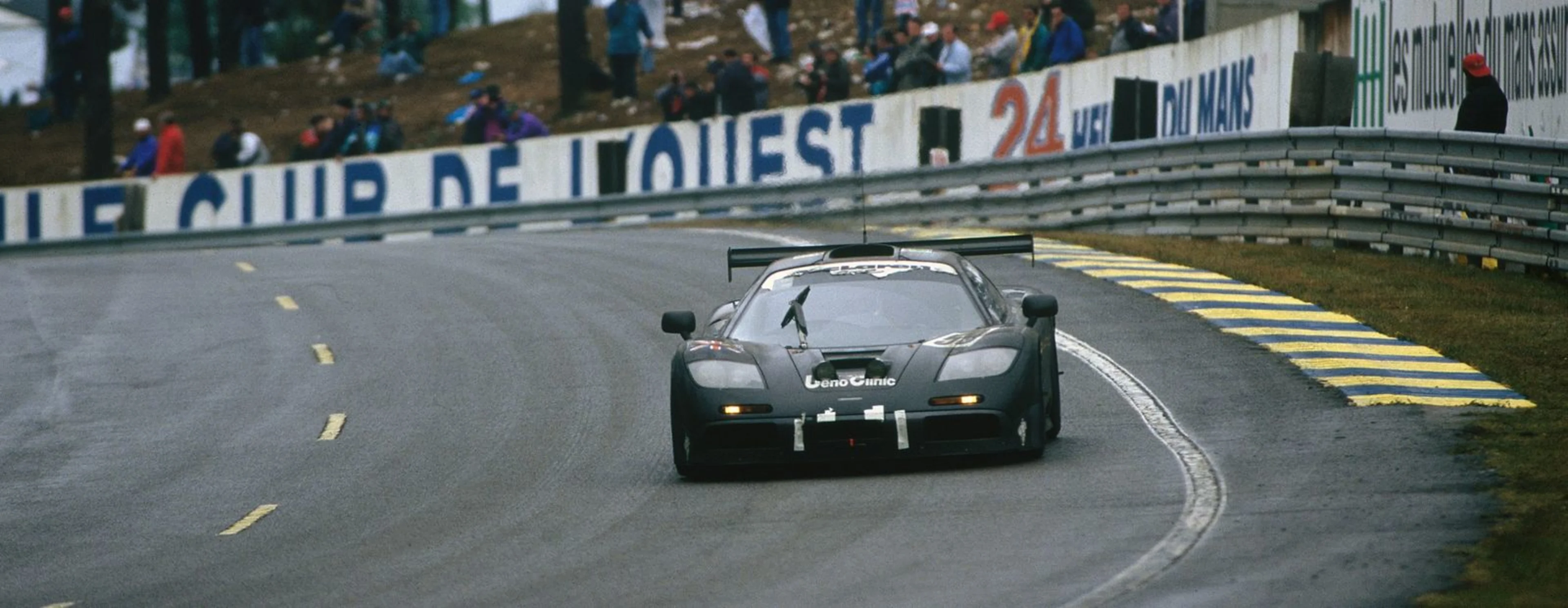
Then, in 1995, they took it to Le Mans and won at the first attempt. Of course they did.
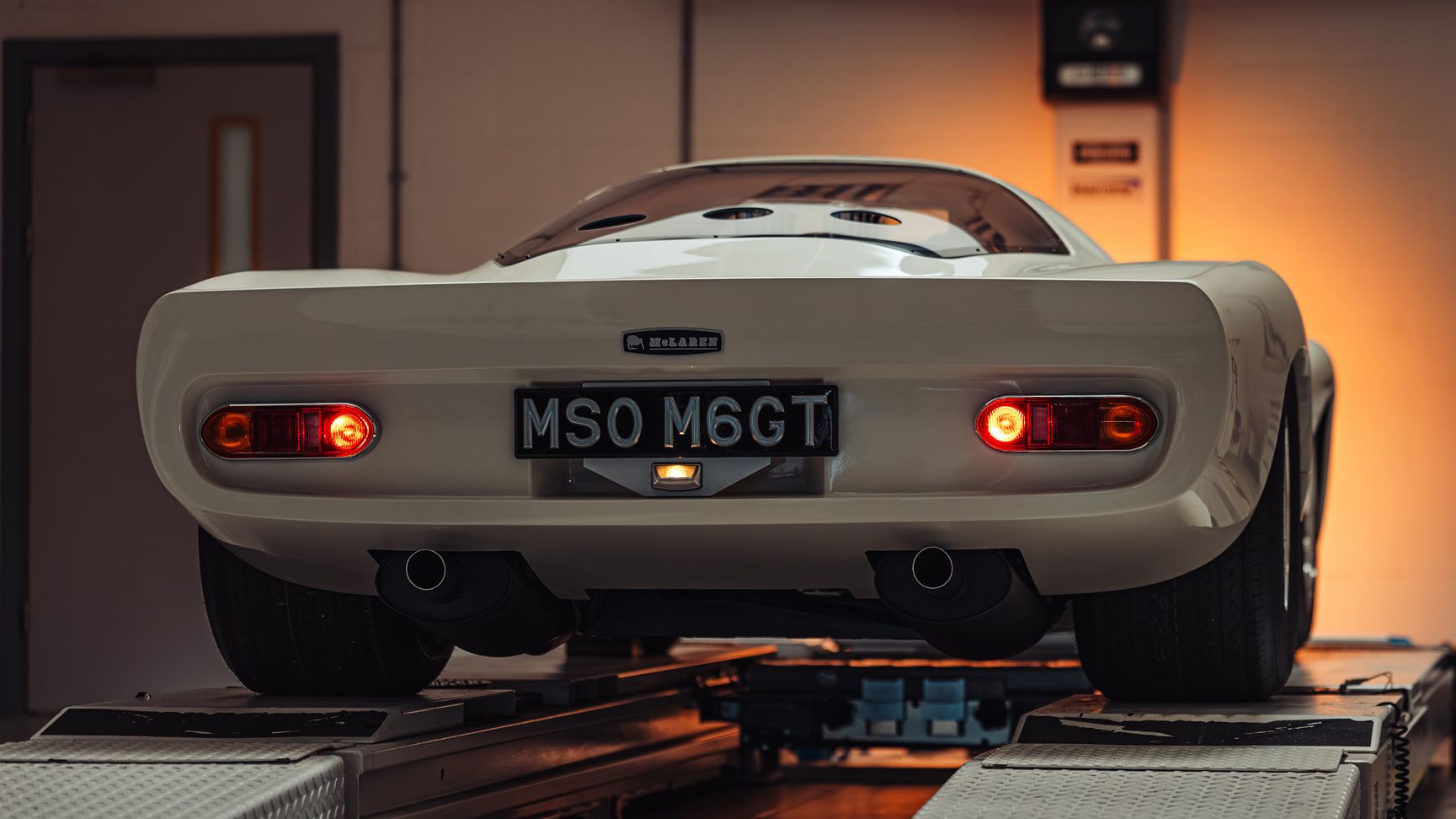
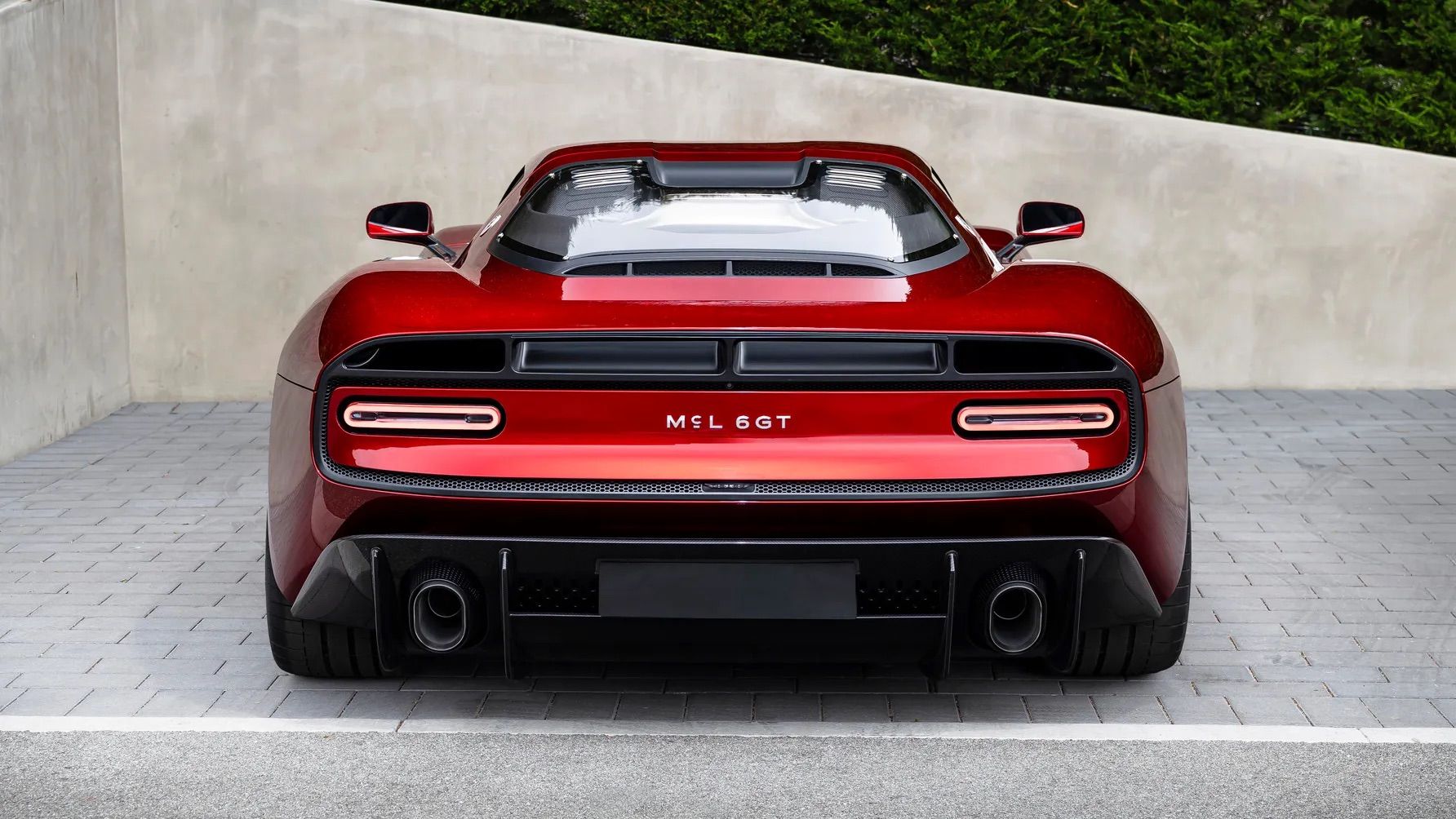
Bruce had dreamed of McLaren road cars himself and built the M6GT before his death, but he never saw the F1 or the P1. He never saw the cars that would eventually carry his name through London, Los Angeles, Tokyo, Dubai and Monaco, or the children who would stick photographs of them on bedroom walls. He never met the engineers who would spend their careers working beneath his surname, and he never saw Ayrton Senna drive one of his Formula One cars, or Lewis Hamilton, or Lando Norris.
Nor did he see McLaren return from years in the wilderness to win the Constructors’ Championship again in 2024, retain it in 2025 and see Lando become World Champion. Bruce saw none of those things, but Amanda did.
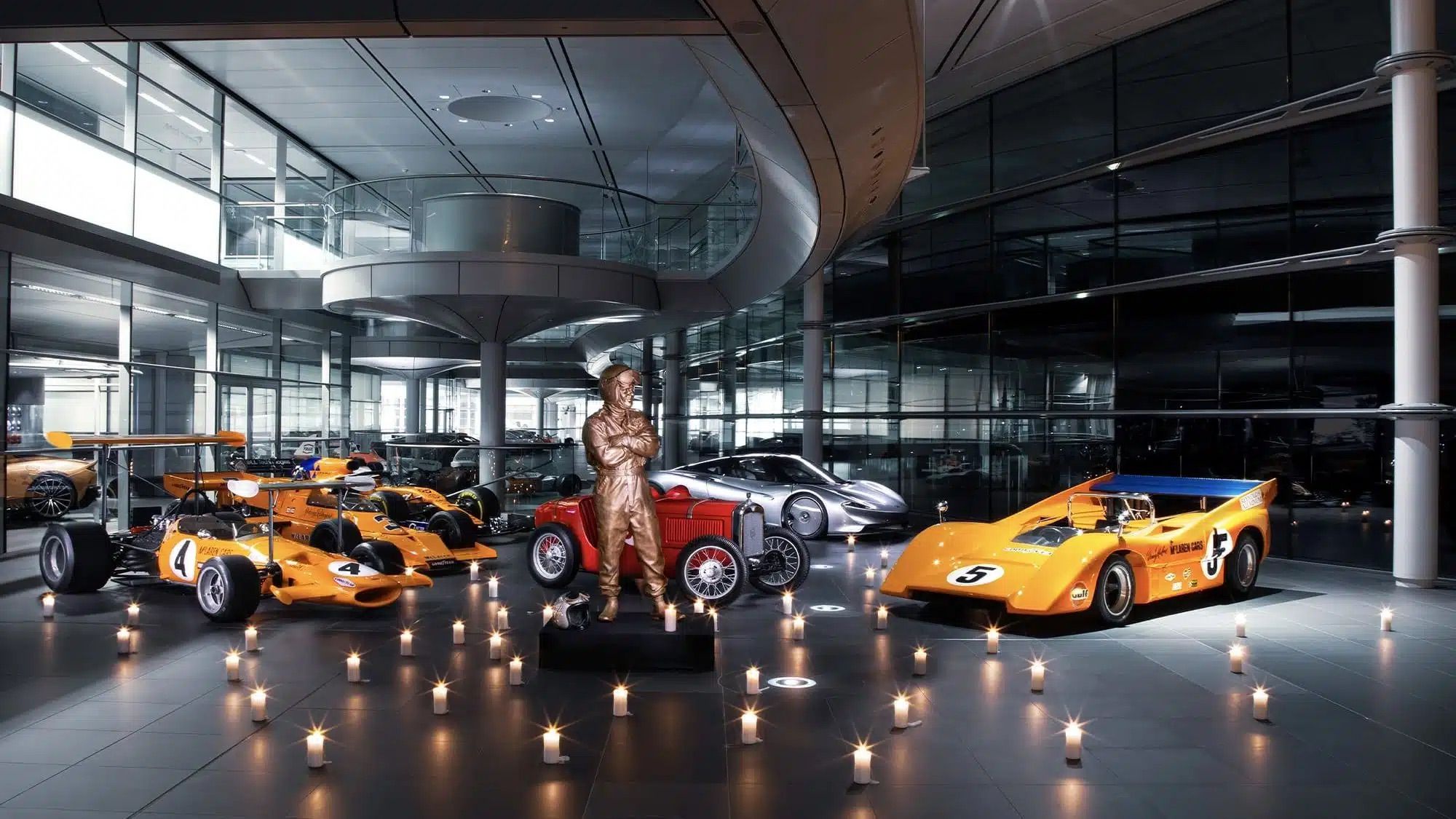
Earlier this year, Amanda McLaren visited the McLaren Technology Centre. There are photographs of her standing beside the statue of her father, and there are old photographs of Bruce holding Amanda when she was a little girl. Put those images beside each other and something rather uncomfortable happens to time, because Amanda is now older than her father ever got to be.
She got the years he didn’t. She grew up while he stayed 32, yet she can walk into a building on the other side of the world from that little garage in Auckland and see hundreds of people still working beneath her father’s name. They are people Bruce never knew, using materials that didn’t exist, designing cars he couldn’t have imagined and racing in championships he never lived to see, yet they are still trying to make the thing lighter, faster and better. They are still turning up for work.
And suddenly we’re back at that logo — the one I thought looked like it belonged on a van, the one I thought needed a phone number underneath it and the one I thought had an underline beneath the c because building control had become involved.
I was wrong. Not about it looking a bit like a building company — I’m standing by that — but I was wrong about what mattered. Because it isn’t really a new logo. It is an old name. Les and Ruth McLaren put that name above their garage when McLaren was simply their family name. Their son grew up beneath it, learned about cars there and worked on an Austin Seven with his dad. Then he travelled halfway around the world and gave that name another meaning.
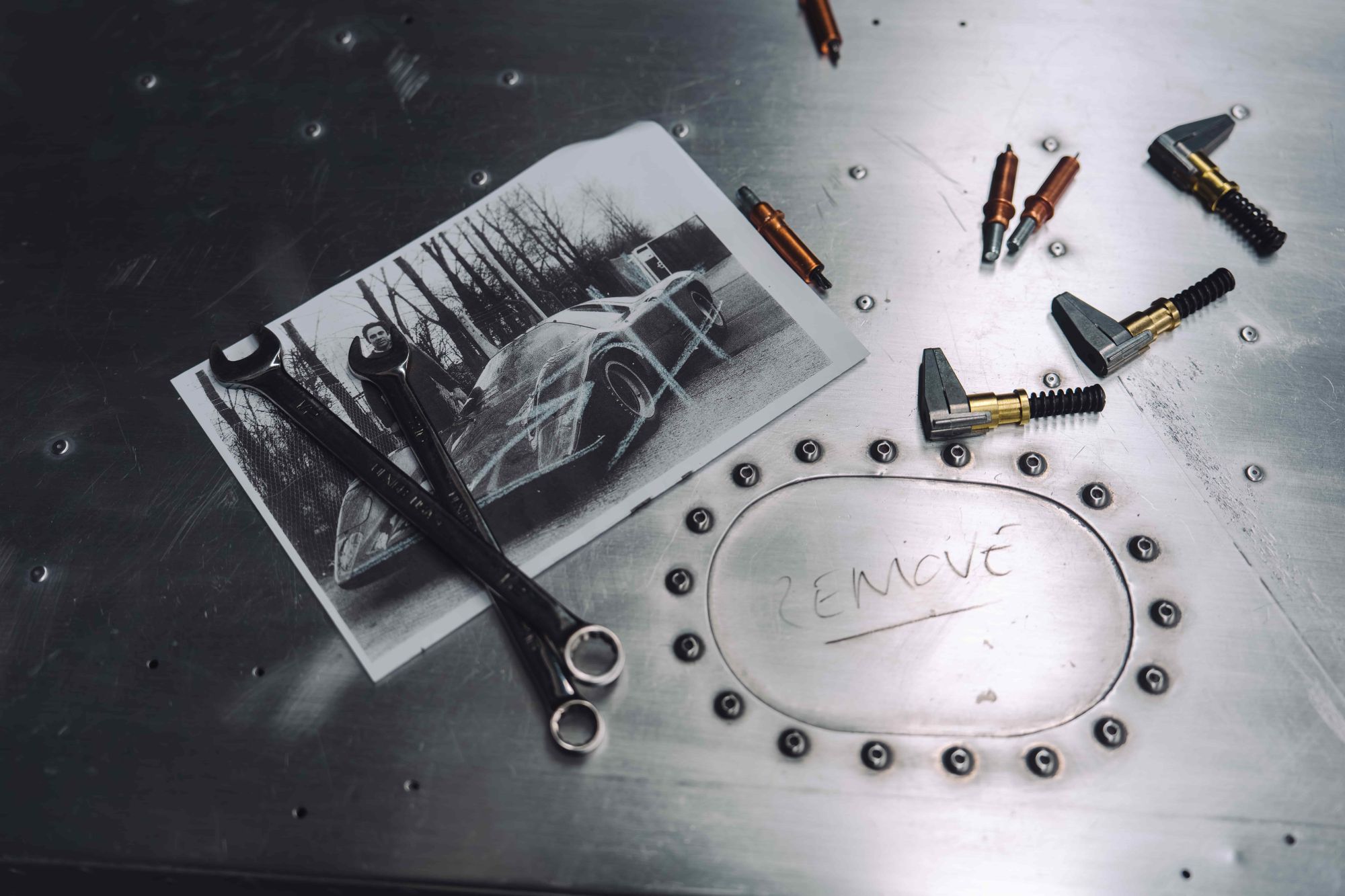
When Bruce could carry it no further, other people picked it up. They protected it, raced it, won with it and changed the badges around it. They put a kiwi beside it, then a chequered flag and eventually a Speedmark. They painted the cars orange, red, white, silver and papaya. They put Hunt, Senna, Prost, Häkkinen, Hamilton and Norris in them. They put the name on an F1 road car, took it to Le Mans and built one of the most remarkable automotive companies Britain has ever produced around it.
And now, more than half a century after Bruce died, they’ve taken the lettering back towards where it all began: a family garage in Auckland. I find that rather beautiful, because companies spend fortunes trying to invent heritage and McLaren doesn’t need to. Its history isn’t something written by an advertising agency. It is a father and his son working on an old Austin. It is a little boy who once struggled to walk growing up to become one of the fastest men in the world. It is a 32-year-old who died far too young, leaving behind a wife and a little girl. It is a workshop full of devastated people being told they could stay at home and deciding to come back anyway. And it is every person who came through that door afterwards. Every mechanic, designer, engineer and driver who decided that the name was worth carrying a little further.
That is why I want McLaren to succeed. Not because I own one — I don’t — and not because I think every car they’ve ever made is perfect, because they aren’t. And definitely not because I suddenly think the new logo is the greatest piece of graphic design since somebody first drew the Nike swoosh. It still looks a bit like they’ll do you a cracking deal on a composite front door. But now I know why it looks like that, and I wouldn’t change it.
Somewhere beneath all the Formula One trophies, carbon fibre, championships, millions of pounds and extraordinary cars, McLaren is still what it was at the beginning: a family name above a workshop door. Bruce walked through one of those doors in Auckland and, after he died, his people walked back through another one in England.
More than fifty years later, people Bruce never had the chance to meet are still walking through McLaren’s doors every morning. They turn on the lights, pick up their tools, open their laptops, design things, make things, solve problems and build racing cars and supercars. Somewhere, perhaps without thinking about it very often, they are carrying on the work of a little boy from New Zealand who once stood beside his dad trying to make an Austin Seven go faster.
And perhaps that is what McLaren really is. Not the Speedmark, the papaya, the trophies or even the cars, but generation after generation of people who keep walking through the door, determined to make whatever comes out of it worthy of the name above it — no matter what font it’s written in.