Feature
The Veyron: Has the Market Got This One Wrong?
I think the Bugatti Veyron might be one of the most undervalued important cars of the last 25 years, sounds ridiculous but hear me out...
October 7, 2026
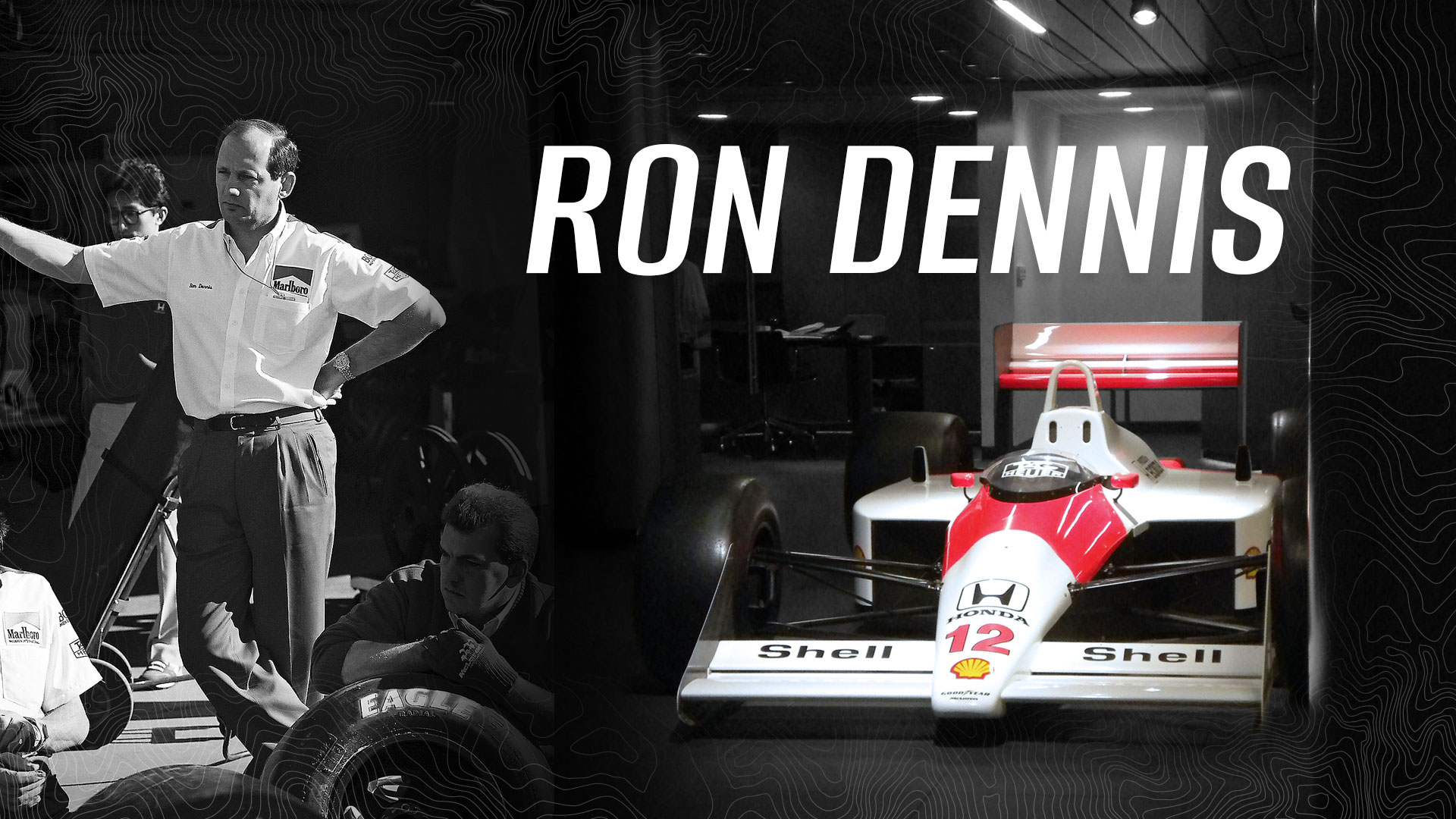
From garage apprentice to F1 powerhouse, here's how Ron Dennis made McLaren the gold standard in racing and road car innovation.
Ron Dennis grew up in Woking, Surrey, not far from the factory that would one day carry his name. His father ran a small garage and petrol station, and from a young age, Ron spent his days surrounded by the smell of oil and the clatter of spanners. While other children were out playing football, he was taking apart engines and putting them back together again.
At 16, he left school to take an apprenticeship at Thompson & Taylor, a race car preparation firm at Brooklands. It was there that he discovered the world of high-performance engineering. He was neat, precise, and utterly dedicated — traits that never left him. By 1966, he’d joined the Cooper Formula One team as a junior mechanic, working on Jochen Rindt’s car.
Not long after, Jack Brabham noticed his focus and hired him for the Brabham team. Travelling the world with Formula One in his early twenties, Dennis absorbed everything he saw — the technology, the organisation, the mistakes — and he began to form his own ideas about how a racing team should really be run.
In 1971, together with fellow mechanic Neil Trundle, Dennis founded Rondel Racing to compete in Formula Two. They ran on a shoestring budget, but their operation looked more professional than some Formula One outfits. Their cars were immaculate, their tools spotless, their mechanics drilled in presentation and precision. Drivers like Graham Hill and Carlos Reutemann drove for them, and results soon followed.
When the 1973 oil crisis hit, sponsorship collapsed and Rondel folded. But Ron had learned something vital: success in motorsport wasn’t just about speed, it was about structure, presentation, and professionalism. Those lessons would shape the rest of his career.
By 1975, he was back with a new team — Project Three Racing, soon renamed Project Four. The name was deliberate: it sounded technical, forward-thinking, modern. The cars were fast, but what really impressed sponsors was the way Dennis ran the team. Every detail mattered. Floors polished, uniforms pressed, tools aligned. Formula Two had never seen anything like it.
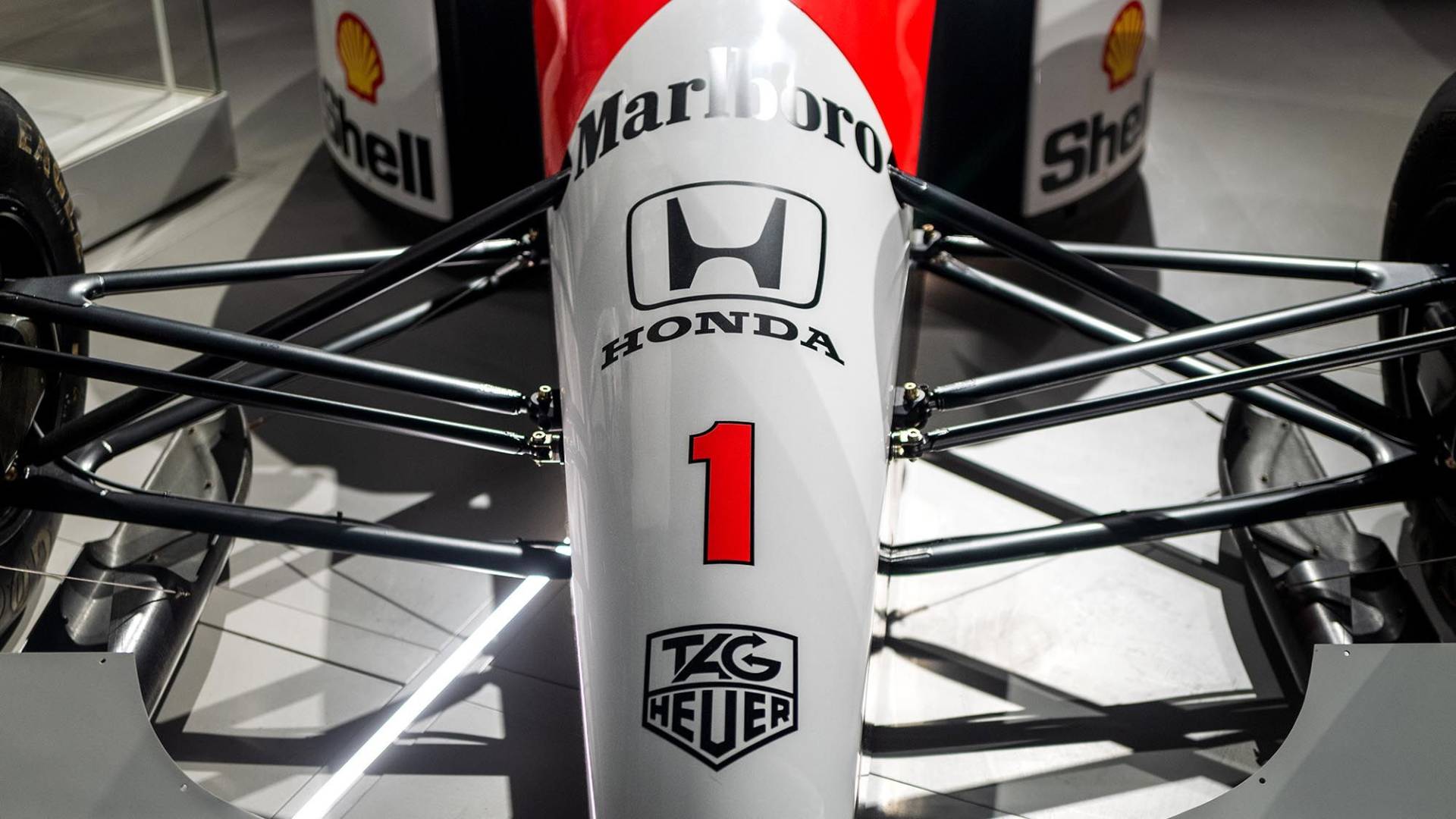
By 1979, McLaren was in trouble. The team that once dominated Formula One had lost its edge. Results were poor, cars unreliable, and morale low. Marlboro’s motorsport boss, John Hogan, was frustrated — McLaren was costing millions but delivering nothing. Meanwhile, Ron Dennis’ Project Four operation looked like the future: efficient, professional, and precise.
Hogan brokered a meeting between Dennis and McLaren’s management. Ron didn’t flatter them. He told Teddy Mayer directly that the team lacked discipline, focus, and modern engineering. His solution was simple: rebuild from the ground up, or be left behind.
After months of negotiation, Marlboro made their position clear — continued sponsorship would depend on bringing Dennis and Project Four into the fold. In 1980, the two operations merged to form McLaren International. Mayer stayed nominally in charge, but everyone in the paddock knew Ron was the new leader.
Dennis brought with him his secret weapon — designer John Barnard. Barnard had been working on a radical concept: a full carbon fibre chassis. At a time when most cars were still built from aluminium, it sounded like science fiction, but Dennis believed in him completely. The result was the MP4/1, launched in 1981 — the first Formula One car with a carbon monocoque. It was lighter, stiffer, and safer than anything else. When John Watson survived a huge crash at Monza and walked away, every rival realised McLaren had changed the game.
Dennis transformed McLaren from a struggling racing outfit into an engineering institution. The garage floors gleamed, every cable was colour-coded, every component catalogued. Formula One had never seen anything so precise. By 1984, the revolution was complete. With Niki Lauda and Alain Prost driving, McLaren won 12 of 16 races and both championships. Ron Dennis had turned a failing team into the standard-bearer of the sport.

The partnership between McLaren and Honda defined the next decade. Together, they built the most dominant car of the era — the MP4/4. It won 15 of 16 races in 1988, with Senna and Prost as teammates. It wasn’t just success; it was domination.
Managing Senna and Prost, however, was like holding lightning in a bottle. Prost was methodical, Senna emotional. Both were brilliant. Both wanted to win at all costs. Ron tried to treat them equally, calling them 'two number ones’, but the tension was unstoppable. Their rivalry exploded, first on track and then off it. Dennis found himself not just managing a team, but refereeing two of the greatest drivers in history. Despite the chaos, McLaren’s run of victories continued. Senna took three world titles under Dennis’ watch.
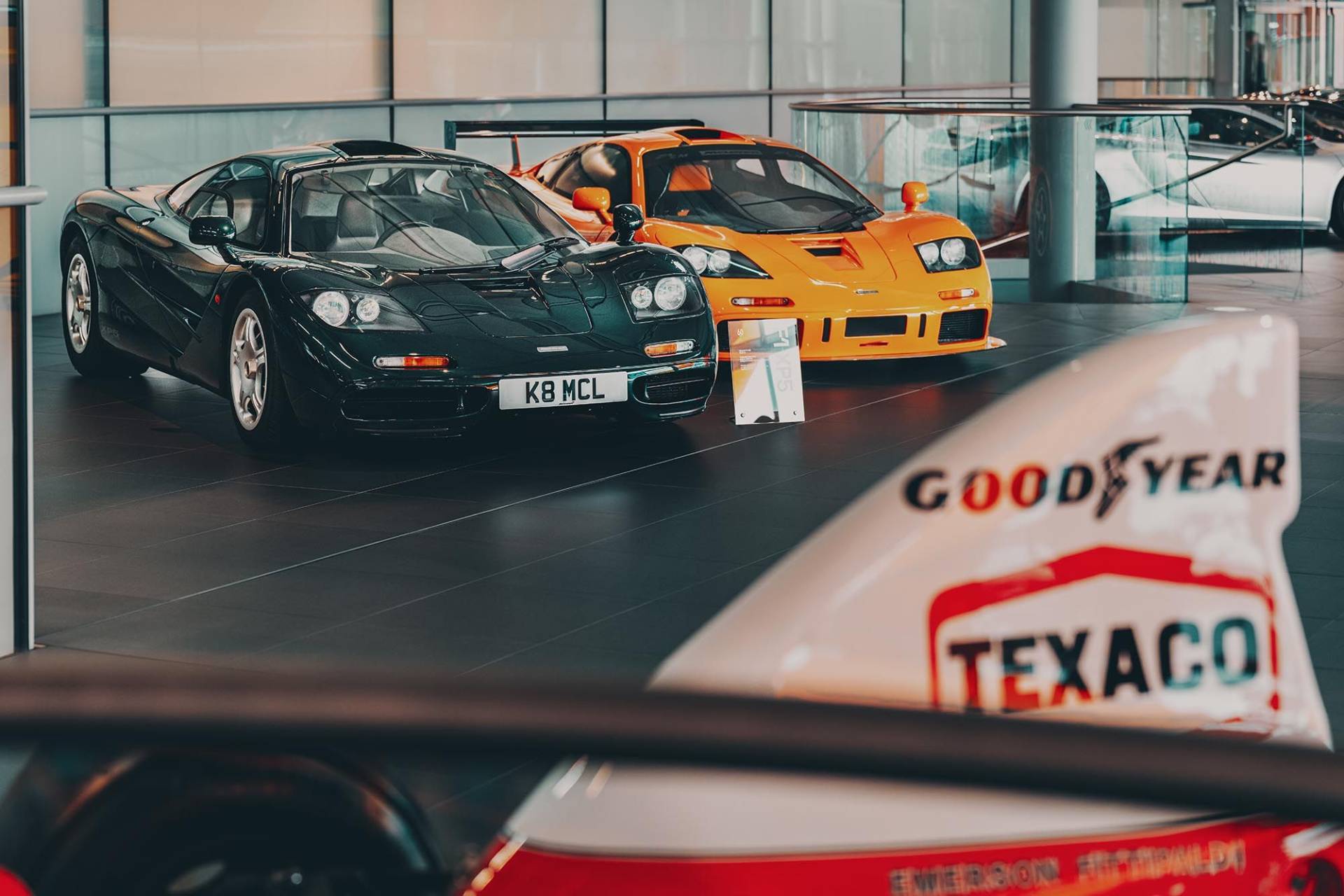
Behind the scenes, Ron was pushing another dream — to build the ultimate road car. In 1989, he launched McLaren Cars, a new division dedicated to creating something extraordinary. The McLaren F1 was unveiled in 1992 — a car so pure in design it bordered on art. It had a BMW V12 engine, a gold-lined engine bay, and a central driving seat. Its top speed of 240mph made it the fastest production car in the world.
The 1990s brought new competition — Schumacher’s Ferrari, Williams’ rise — but Dennis’s focus never wavered. In 1998 and 1999, McLaren bounced back with Mika Häkkinen, delivering two more world championships and restoring the team’s dominance. By now, McLaren was no longer just a racing team. It was a symbol of engineering discipline — and Ron Dennis was its architect.
The 2000s began with a new challenge: nurturing the next generation. Ron found it in a young karting prodigy named Lewis Hamilton. He’d met the boy years earlier when Hamilton asked him for an autograph and told him, “I want to drive for you one day”. Nine years later, Ron made it happen.
Hamilton’s rookie season in 2007 was electric, but it came alongside Fernando Alonso, and the atmosphere turned toxic. The two drivers clashed, the team fractured, and then came the Spygate scandal. McLaren was found guilty of possessing confidential Ferrari data and fined $100 million. Dennis’s reputation — built on integrity — was dragged through the mud. He was heartbroken, but unbroken.
A year later, Hamilton delivered redemption, winning the 2008 championship in the final corner of the final race. For Ron, it was both vindication and closure. He stepped back from the Formula One team, focusing on McLaren’s growing road car division.
McLaren Automotive launched in 2010 with the MP4-12C, followed by a string of groundbreaking models: the P1, 650S, and 720S. Each car carried Dennis’ fingerprints — precision engineering, symmetry, and beauty born from logic. Yet corporate politics struck again. In 2017, after a power struggle with shareholders, Dennis left McLaren for good. His era had ended quietly, but his influence was everywhere.
Today, through his RD Group, he invests in technology, catering, and education, supporting young engineers and start-ups. He’s no longer in the pitlane, but the pursuit of excellence that defined him hasn’t dimmed.
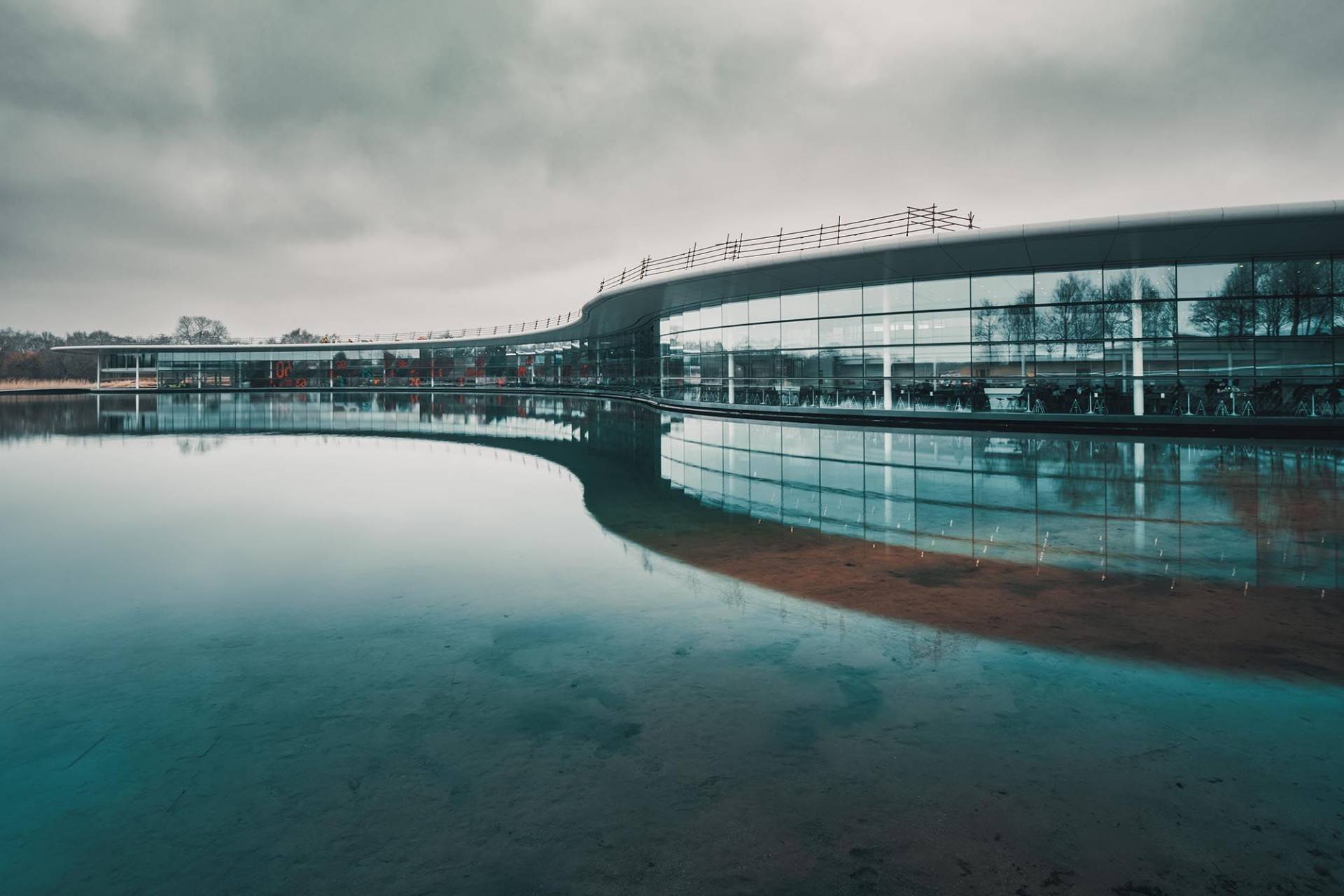
Stand outside the McLaren Technology Centre in Woking, and you can still feel it — that hum of order and intent. It’s more than a factory; it’s a philosophy made real. Ron Dennis built it brick by brick, reflection by reflection. Every straight line and mirrored surface tells you who he was.
He didn’t just change McLaren; he changed Formula One. Before him, racing teams were fast but chaotic. After him, they were laboratories of precision. He brought aerospace discipline to a sport that had lived on instinct. Every clean white garage in the paddock, every perfectly aligned spanner, every pristine hospitality unit owes something to Ron Dennis.
His perfectionism could be difficult, his standards impossible, his manner exacting, but that’s what it takes to set the bar. The drivers who thrived under him — Lauda, Prost,
Senna, Häkkinen, Hamilton — all carried a bit of that discipline forward. The cars he built — from the MP4/4 to the McLaren F1 — became benchmarks the world still measures against.
Ron Dennis taught British motorsport that excellence isn’t luck; it’s process. He took the spirit of the backyard racer and gave it structure, turning chaos into art. He made McLaren the global symbol of British engineering, and in doing so, made Britain proud.
He started in a small garage, and he ended up redefining what perfection looks like. Ron Dennis didn’t just build cars — he built standards. And those standards still drive the sport today.
Written by: Paul Pearce
Header Image: Left Side Image via StuSeeger, CC BY 2.0, via Wikimedia Commons. Right Side Image via stock.adobe.com