Feature
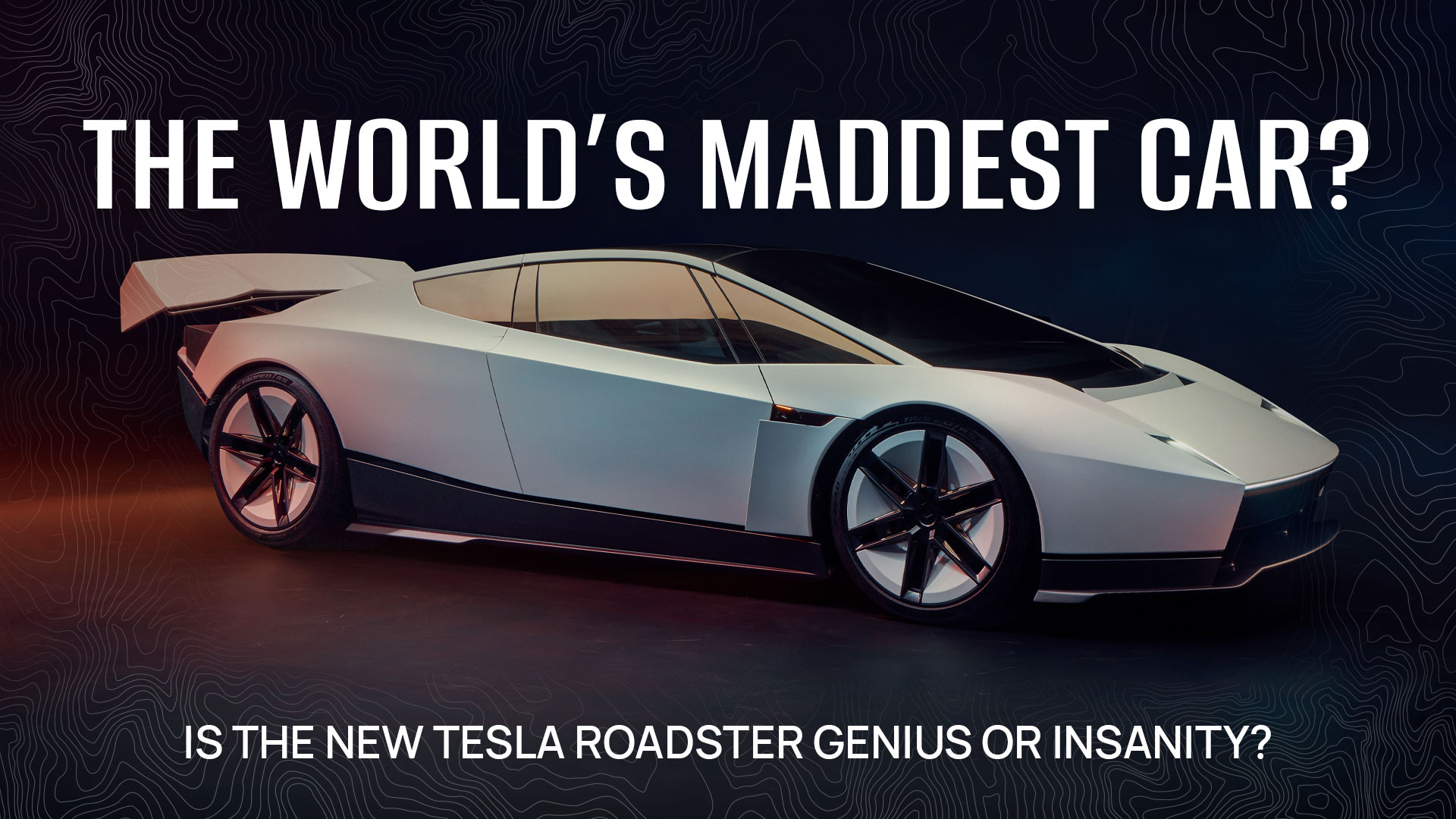
The New Tesla Roadster — Genius or Insanity?
The Tesla Roadster: Or how Elon Musk spent nine years inventing a car that can do a backflip, drive on the ceiling and make absolutely no sense whatsoever.
October 19, 2026
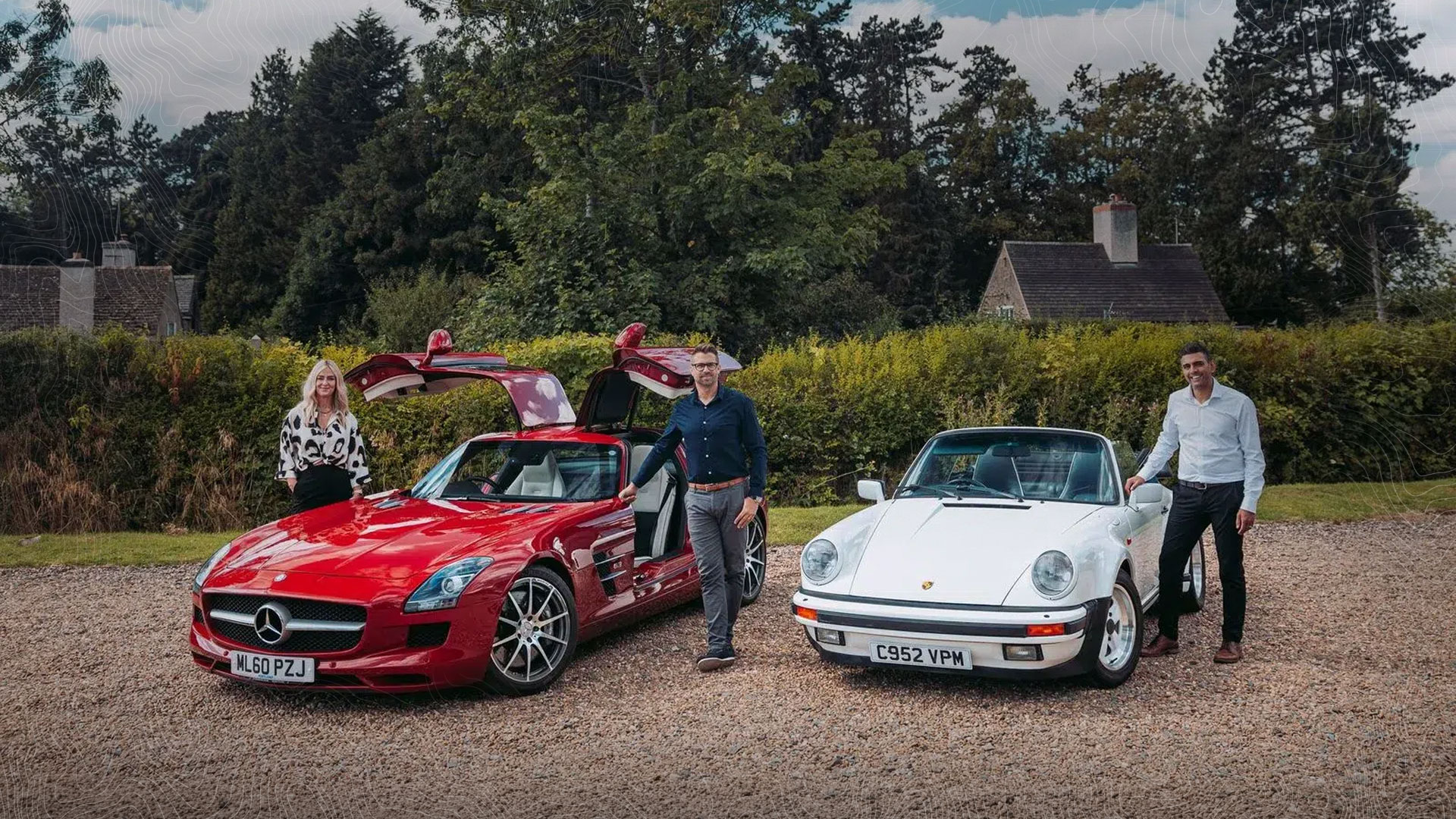
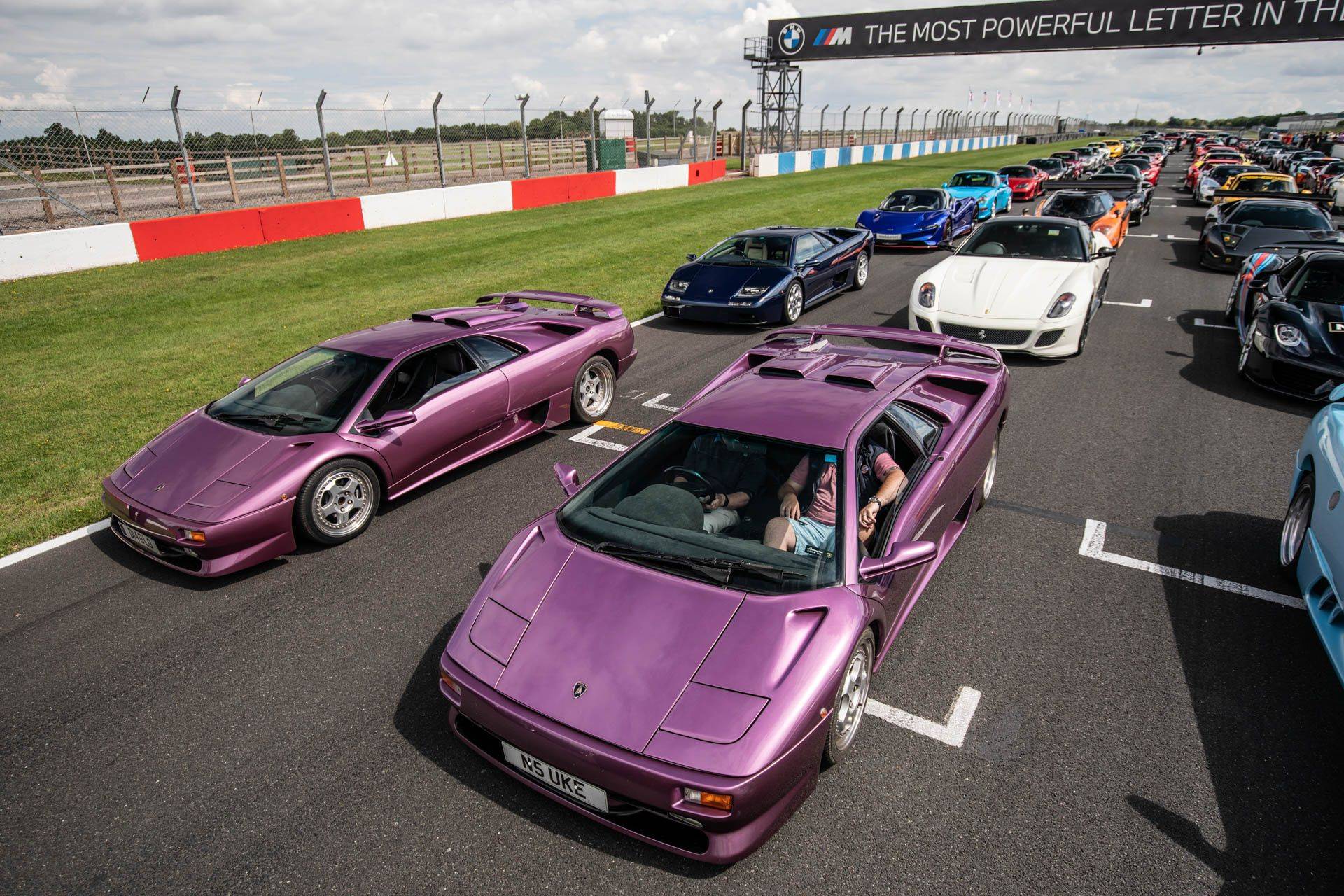
There’s a particular kind of arithmetic that seems to apply exclusively to supercar ownership...
You’ll recognise it instantly.
“It’s a safe place to put the money”
“They’re not making them anymore”
On paper, it sounds almost… responsible.
Of course, sometimes it is right. Plenty of cars have justified the logic, rewarding their owners not just with theatre and noise, but with a tidy return too. But just as often, that neat bit of mental maths starts to unravel once the market shifts, sentiment changes, or reality quietly taps you on the shoulder. Because while supercar ownership is often driven by emotion, the market itself couldn’t care less about how much you love your car.
At their core, most buying decisions in this world aren’t based on spreadsheets — they’re based on stories we tell ourselves. We lean on headlines, forum chatter, auction results, and that one friend who knows someone who sold one for big money. Before long, a narrative forms:
“They’re undervalued”
“You can’t lose on this”
“Worst case, I get to enjoy it”
And to be fair, that last one is the most honest of the lot. It’s not foolish — it’s human. But it’s also only half the equation.

Every now and then, everything clicks into place.
That’s when you get the unicorn stories — the ones that do the rounds at events and in WhatsApp groups. The cars that were “obvious in hindsight”, the purchases that look like genius moves. And crucially, these stories stick. They reinforce the belief that the same logic can be applied again and again. But they’re the exception, not the rule.
For every success story, there are plenty of cars that simply don’t move. Not because they aren’t good. Not because they aren’t desirable. But because the wider conditions aren’t playing ball.
Values are influenced by far more than just the car itself:
This is where Real Maths enters the conversation. And it’s not nearly as romantic.
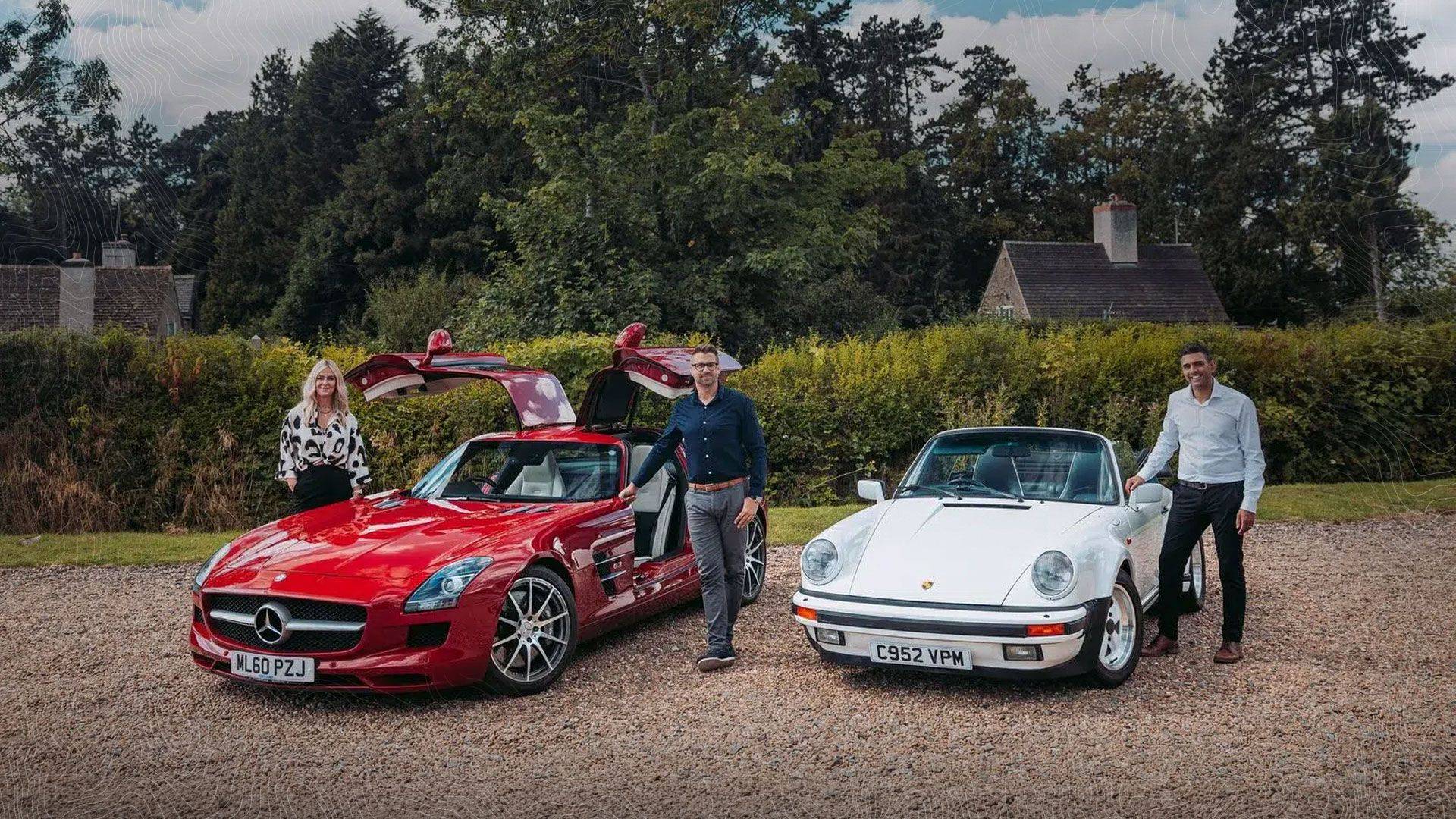
This is exactly where people like David from TheCarCrowd come in — offering something that most of us, if we’re honest, don’t naturally lean towards: long-term, real-world, objective data. Not just asking prices, not just headline sales, but proper tracking over time.
What that reveals is often quite different to the narrative:
Sometimes, it really is as simple (and frustrating) as having the right car at the wrong time. And no amount of optimism changes that.
If the past few years have taught us anything, it’s that the market is far more sensitive than many assumed. Cheap money, strong demand, and post-Covid enthusiasm created a tide that lifted almost everything. But as conditions tighten, the gaps between cars — and outcomes — are becoming more visible.
Today, emotion alone isn’t enough, headlines rarely tell the full story, timing matters more than ever, patience is becoming a genuine advantage. In short, the margin for error is shrinking.

None of this is about killing the magic of supercar ownership. Quite the opposite. The point isn’t to reduce every purchase to a cold calculation. If that’s all it was, most of us would have stopped caring about cars a long time ago.
What TheCarCrowd offers is balance. Not what to buy, but a clearer understanding of why certain cars move, why others don’t, and how to navigate the market without relying purely on gut feel. It’s about adding a layer of clarity to the passion — not replacing it. Because the best ownership experiences tend to come when both sides of the equation are working together.
‘Supercar owner maths’ will always exist — and frankly, it should. It’s part of what makes this whole world enjoyable and so much of what fuels conversation over a bacon sandwich after a Sunday morning drive. But in today’s market, if you’re buying with values in mind, ignoring ‘real maths’ entirely is becoming a far riskier game. The trick isn’t choosing one over the other. It’s knowing when to listen to each.
David and TheCarCrowd provide insight grounded in real market data, helping you make smarter decisions without losing sight of why you wanted the car in the first place.
Collectable cars have quietly become one of the strongest performing asset classes of the last decade, and benefitting from their success is no longer reserved for the ultra-wealthy. They are a high growth, capital gains tax free asset class, now more accessible than ever, thanks to TheCarCrowd’s fractional ownership model, with a collection of syndicates carefully curated from TheCarCrowd’s continuous expert market analysis.
Find out more at thecarcrowd.uk