Feature
How Much Difference Do Lightweight Wheels Really Make?
A lighter wheel isn't just a lighter wheel. It is unsprung mass. It is rotating mass. But how much difference does that make?
October 10, 2026
Some companies build good products, some exist because somebody cared perhaps just a little bit too much. Then there is Amalgam Collection.
There are companies that build good products, and then there are companies that exist because somebody cared perhaps just a little bit too much. About the detail. About authenticity. About getting things exactly right.
Supercar Driver partners Amalgam Collection fall firmly into the second category.
At first glance, what they create seems simple enough: scale models of some of the world’s greatest cars. Ferraris. McLarens. Bugattis. Formula One legends. The sort of machinery that filled bedroom walls long before algorithms started deciding what enthusiasts should admire.
But spend even a few minutes looking closer and you realise these aren’t model cars in the traditional sense at all. They’re preservation pieces.
And increasingly, that matters.
Founded in 1985, Amalgam originally focused on architectural models and product prototyping. Even producing components for the earliest Dyson vacuum cleaners before moving into automotive work during the mid-1990s.
Formula One became the turning point. The iconic Jordan and legendary Williams teams opened the door, before Ferrari joined in 1998. Since then, relationships with some of the most important manufacturers and motorsport teams in the world have followed.
On that basis, the list of vehicle manufacturers alone that they build tells you something different.
Ferrari. McLaren. Porsche. Bugatti. Bentley. Lamborghini.
These are not companies that hand over confidential design data lightly.
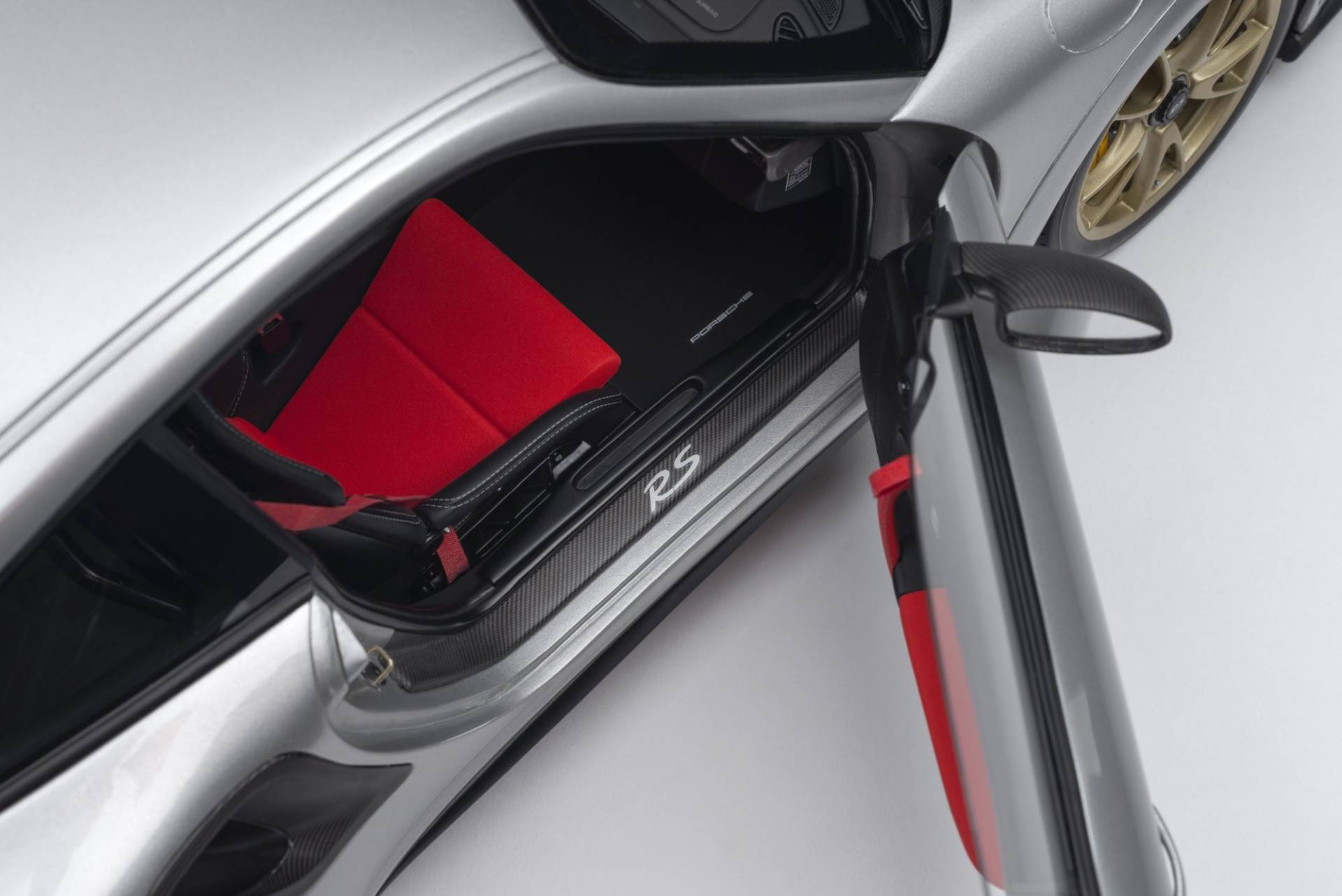
Yet Amalgam’s reputation has been built on obsessive accuracy. Their models are developed directly from manufacturer CAD data, engineering files and extensive photography, allowing them to recreate every surface, proportion and interior detail with almost unsettling precision. Their craft is akin to watchmaking, and that tells you all you need to know about their attention to detail.
Some projects require more than 4,000 hours of development before a single customer model is completed. Even after that, each individual piece can still take hundreds of hours to assemble, paint and finish by hand.
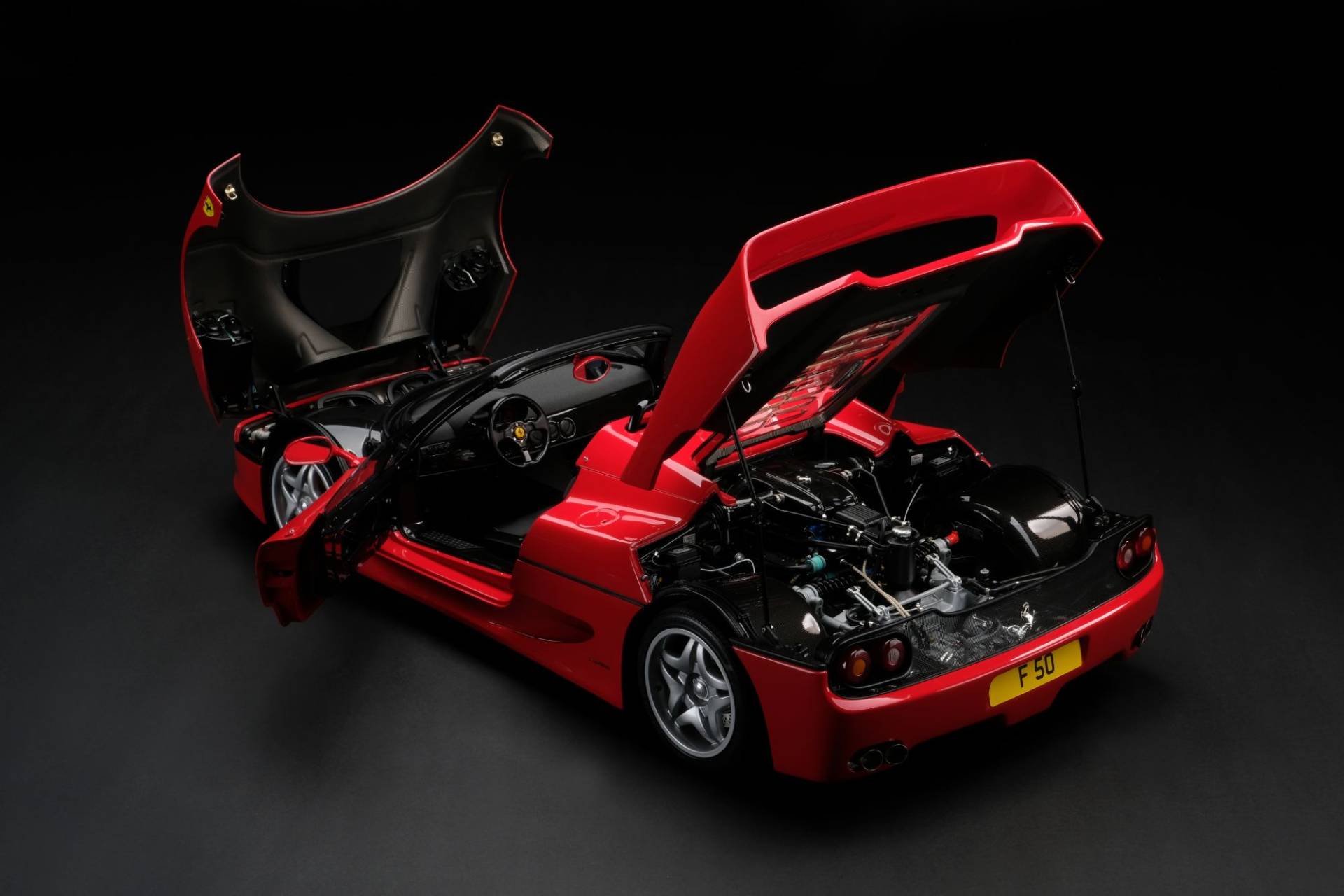
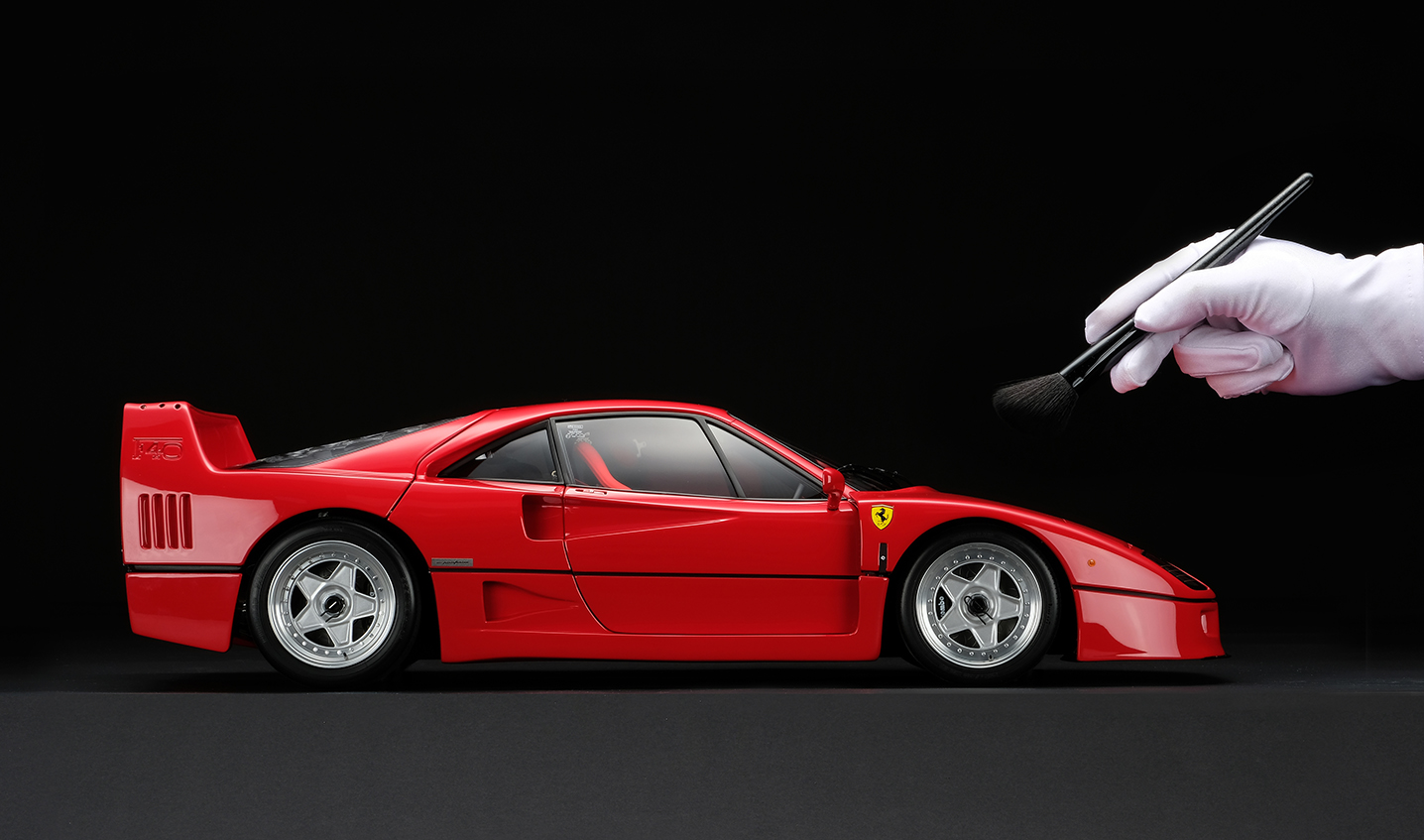
There’s a reason that their photos often include a gloved hand dusting the model with a paintbrush. Otherwise you’d think it was simply a photograph of an actual car.
Which raises an interesting question.
Why go to those lengths for a scale model?
It could be because owners of the cars deserve the most accurate representation of the cars sat in their garage. Or because certain cars deserve preserving properly. Especially now.
We’re entering an era where many of the cars enthusiasts grew up idolising are becoming impossible to recreate. Not financially. Philosophically.
Naturally aspirated engines are disappearing. Manual gearboxes are fading out. Steering systems are filtered through software. Noise regulations reshape exhaust notes before engineers even begin development. The modern supercar may be faster than ever, but often it feels more digital, more distant and strangely less memorable.
And that’s why cars from the analogue era continue to hold such emotional weight.
Not because they were perfect. Often they weren’t.
But because they felt alive.
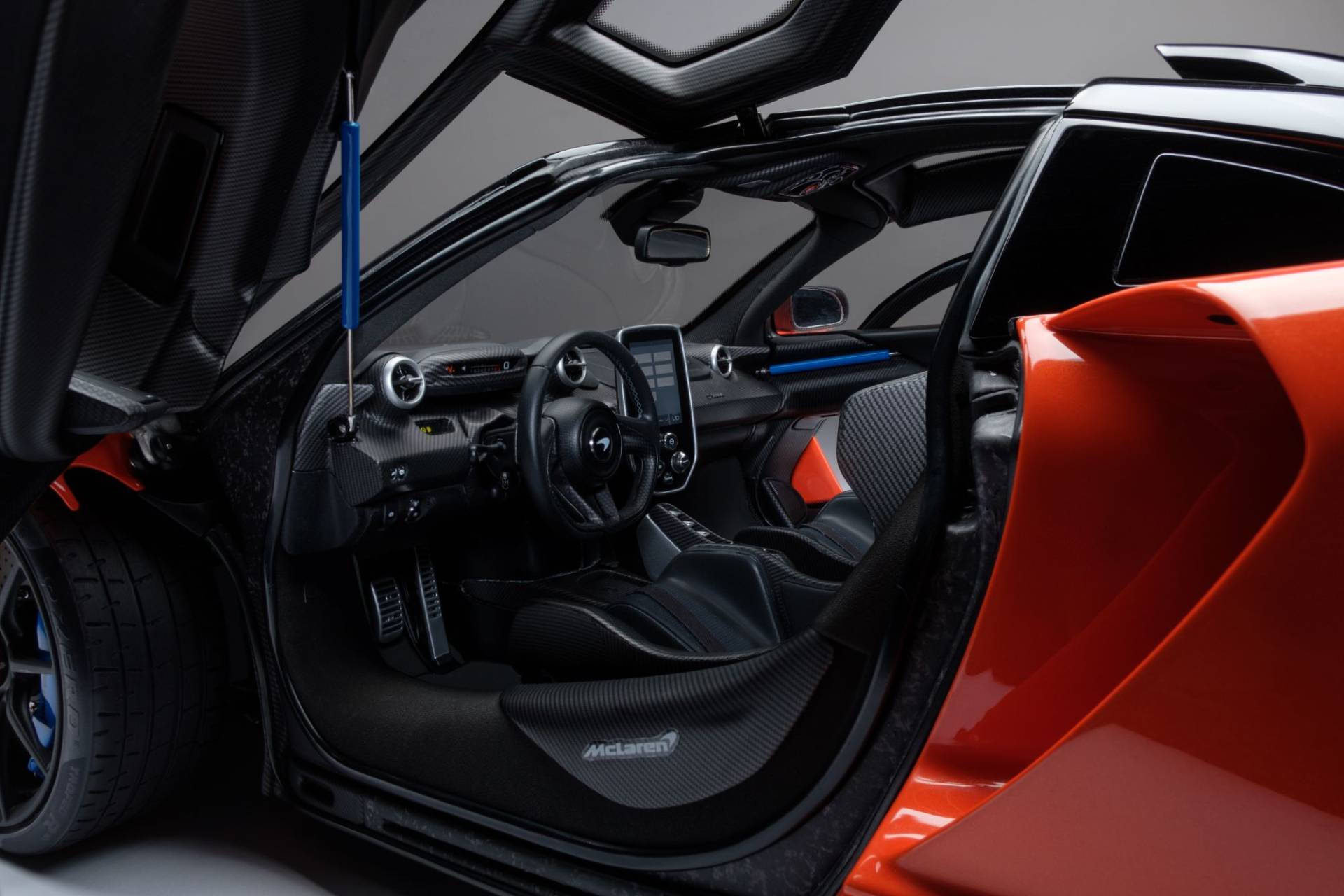
You see it in the cars Amalgam choose to immortalise. Schumacher-era Formula One Ferraris. Historic racing machines. Limited-production hypercars. Cars designed during a period where engineering ambition came before regulatory compromise.
Cars with character.
The process behind recreating them feels appropriately analogue too. Craftspeople machining, assembling and hand-finishing components with a level of patience modern manufacturing rarely allows itself anymore.
There’s something reassuring about that.
Because while the automotive industry inevitably moves forward, enthusiasm doesn’t always follow in a straight line. The cars people truly connect with are often the ones that offered imperfections alongside brilliance. Heavy steering. Mechanical gearshifts. Engines that demanded revs and commitment rather than delivering effortless speed at half throttle.
Experiences you remembered.
And once those cars disappear, preserving them becomes about more than nostalgia. It becomes cultural.
Not simply creating collectibles for offices and garages, but documenting automotive history in physical form. Capturing the exact shape, stance and detail of cars that represented something important in their time.
Cars that manufacturers themselves may never build again.

Because long after performance figures become irrelevant and new technology replaces old, great cars survive for one reason above all else: They were memorable to drive.
That’s really what Amalgam are doing. Making those memories live on for years to come.
Written By: Adam Burkin