Magazine
One of the Most Eclectic Collections You've Ever Seen
Behind the scenes of a member's eclectic collection, ranging from classics to supercars and vintage race cars, and the one he still yearns for.
October 2, 2026
A childhood spark, years of near-misses, and the race that finally changed everything.
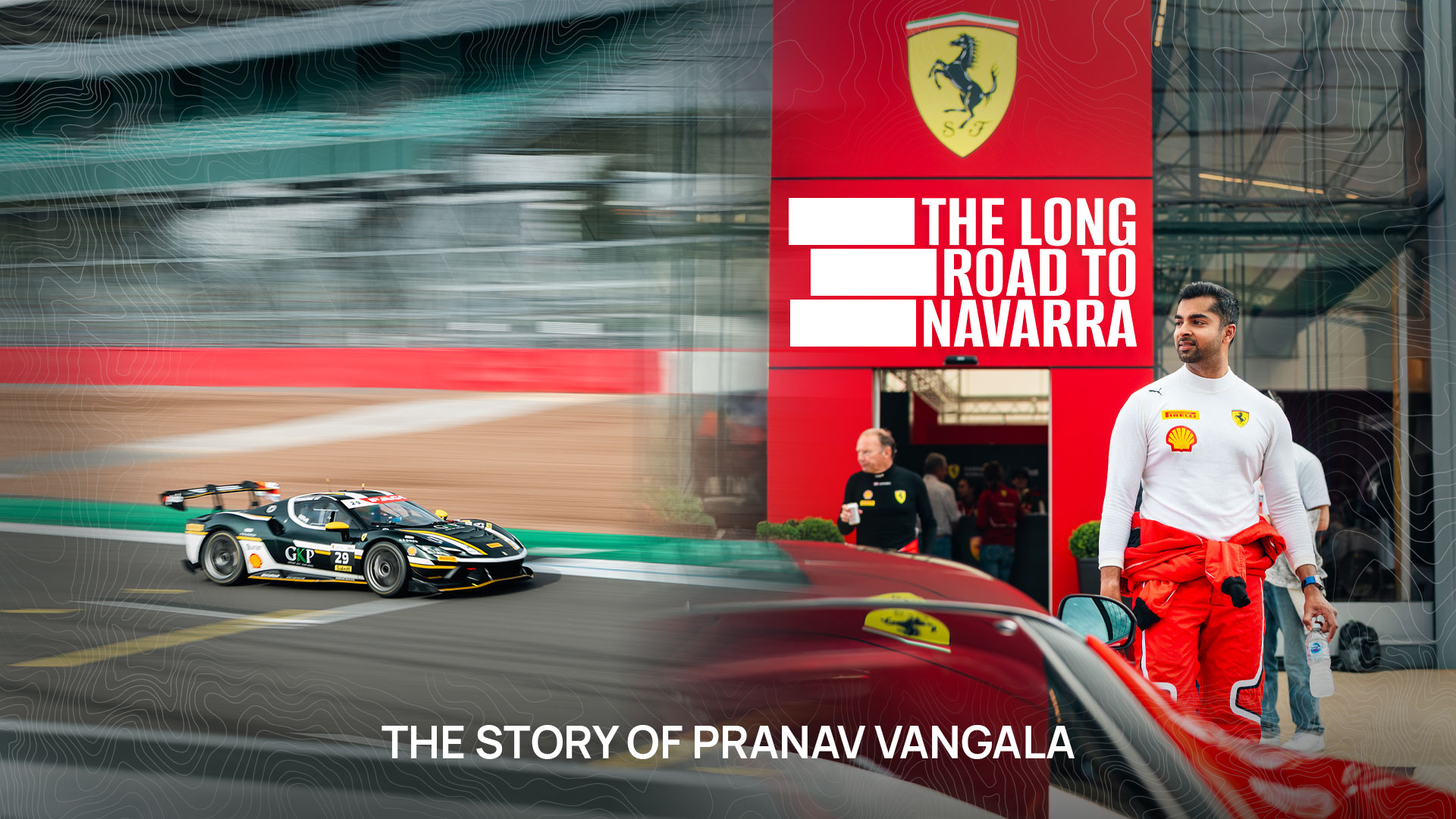
If you met him today, you might not guess it. He isn’t loud. He isn’t flashy. He doesn’t walk around with the self-importance some racing drivers wear like cheap aftershave. Instead, Pranav Vangala carries himself with a calm, thoughtful confidence — the kind you only get from someone who has spent a lot of time going very fast while managing not to lose himself in the roar of it all. But his story began long before racetracks and pit walls.
He was eight years old when he first sat in a go-kart at a track in Gaydon. Not a glossy indoor track you find in big cities, but the scruffy outdoor sort, the kind where the track is slightly uneven, the helmets smell faintly of petrol and panic, and the marshals speak exclusively in shouted instructions. Parents stood behind wire fences pretending this wasn’t terrifying, and the children lined up in karts that looked like they had survived several lifetimes.
The lights flashed green. Some children shot forward, others panicked and stalled, and one attempted a three-point turn for absolutely no reason. But one kart didn’t wobble. Didn’t stall. Didn’t hesitate. Pranav pressed the throttle and simply… went.
By the end of the first lap, he’d overtaken so many children that one of the marshals wondered aloud if he was meant to be in a different group. A few laps in, he was lapping them. There was an ease about the way he moved — not arrogance, not aggression, just instinct. A natural leaning into speed, as though momentum had been waiting for him. He didn’t celebrate.
He didn’t shout. He just climbed out of the kart with a grin that said, “This feels right”. His parents thought it was a fun afternoon. They didn’t realise they’d witnessed the start of something big.
Two years later came the moment that locked everything into place. Pranav was ten when his dad, Eshwar, bought an Aston Martin DB9. Eshwar had grown up in India during the 1970s and 80s, a time when importing foreign cars was almost impossible. Performance had to be created, built, improvised. Those stories — all grit and creativity — shaped the rhythm of Pranav’s childhood.
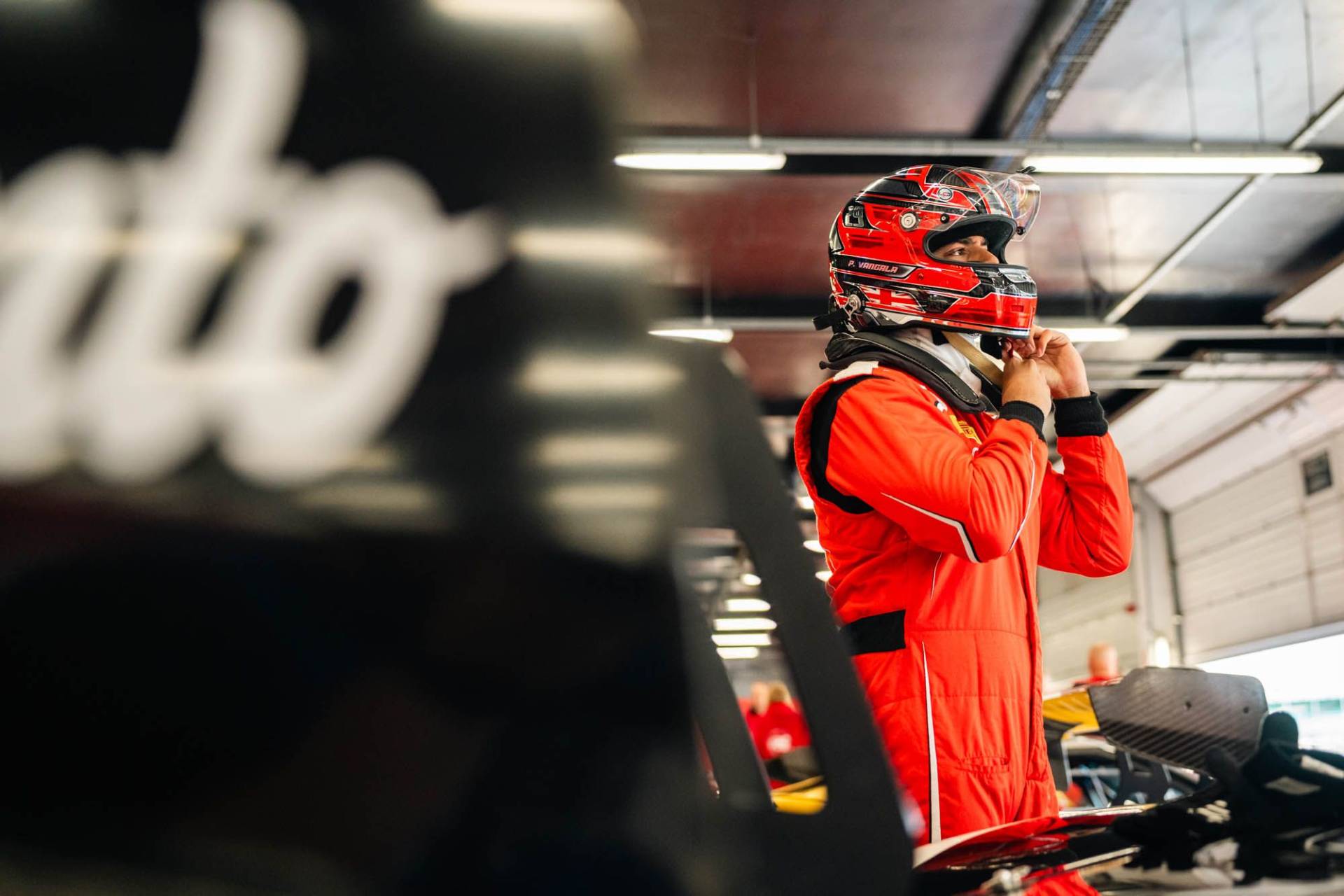
But nothing prepared him for the day the DB9 arrived. He remembers it vividly: the sun beating down on the concrete, neighbours peering between curtains, and his father turning the key. The engine didn’t start. It erupted. A V12 thunderclap that rolled down the street and straight through the centre of his chest. Something shifted inside him. It wasn’t a decision. It wasn’t ambition. It was recognition.
The sound of that car was a calling — loud, unapologetic, and impossible to ignore. From that moment, cars weren’t just machines. They were characters. Stories. Possibilities. And he wanted to be part of that world.
He got his driving licence as soon as he could, and while many teenagers crept tentatively onto the roads, Pranav stepped into them like someone greeting a familiar friend. Not recklessly — never recklessly — but with the feel of someone who knew how a car should behave even before he had enough experience to explain why.
Before long, he and his dad were at UK track days together. First in a BMW M4 with enough Litchfield parts on it to frighten people at petrol stations, then in a Ferrari 458 Speciale — the car that truly changed the way he understood driving.
The M4 taught him about power, traction, and the joy of a car that wants to go sideways at the slightest provocation. The Speciale taught him… everything else. It taught him balance. It taught him weight transfer. It taught him that some cars don’t reward force — they reward finesse. It taught him to listen.
And then came the man who helped shape all of it: Jake Hill. Jake was young, blisteringly fast, and already carrying the aura of someone who would one day have a BTCC trophy cabinet that needed its own postcode. He wasn’t just a coach. He was a translator — turning instinct into understanding, mistakes into lessons, and raw pace into something more refined.
Jake saw something early on. A steadiness. A curiosity. A willingness to learn rather than impress. And for Pranav, it was the perfect foundation. But nothing prepared him for Italy.
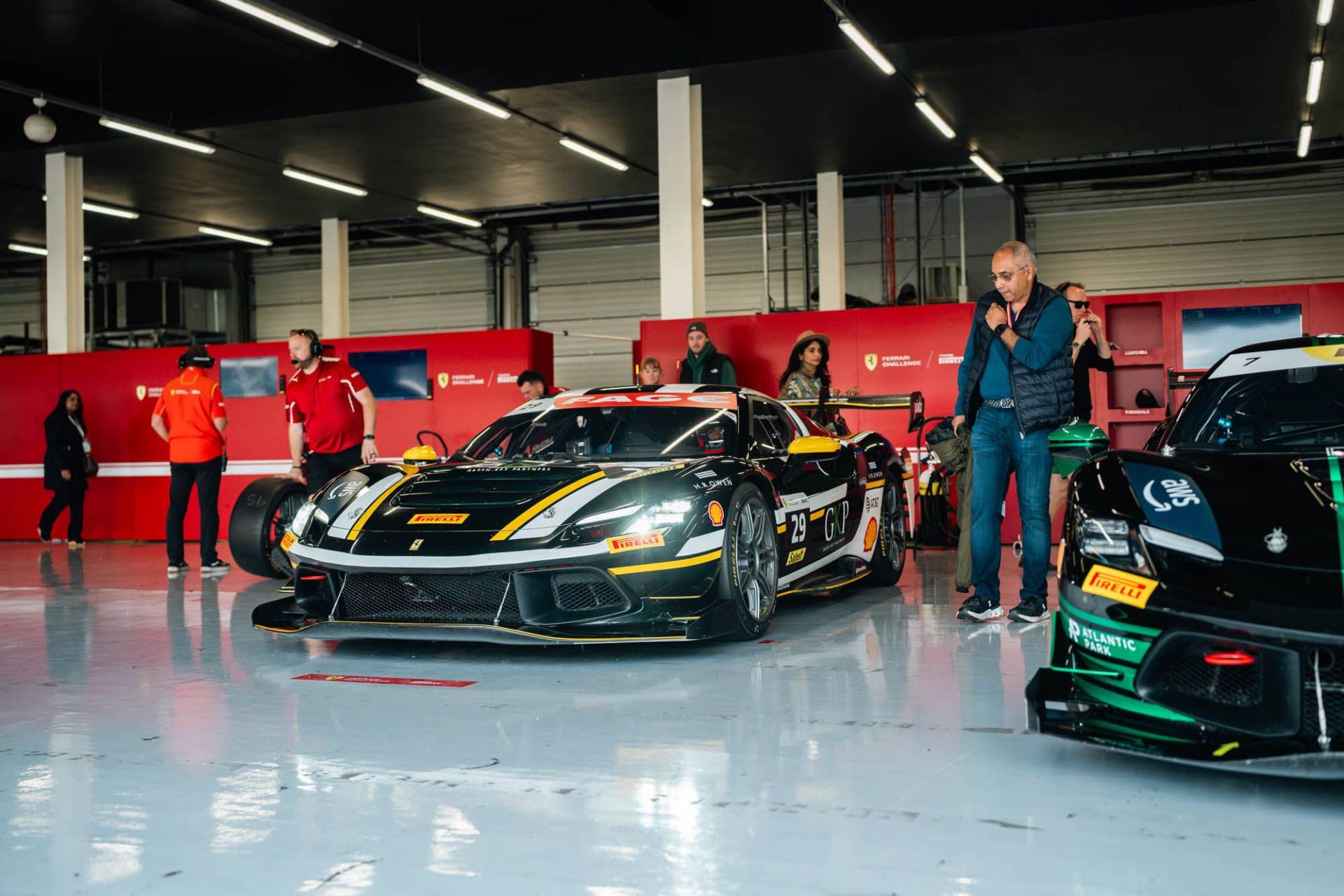
Italy has a way of making everything feel dramatic. Even the air tastes fast. The heat gathers in waves above the tarmac, the garages buzz with half-shouted Italian instructions, and every tool dropped on a concrete floor sounds like it’s part of a soundtrack.
Somewhere in the middle of it all sat a Ferrari 488 Challenge Evo. Up close, it didn’t look like a road car. It looked like a threat. Wide. Low. Bristling with purpose. A car designed by people who clearly thought comfort was for the weak.
Pranav stood beside it, helmet in hand, heart rate climbing. He’d driven quick cars before — very quick cars — but this felt different. The 488 Evo wasn’t something you drove. It was something you negotiated with.
He folded himself through the roll cage, settled into the seat, and felt the belts clamp across his ribs. The cockpit wrapped around him so tightly he wondered whether it had been set up for a much smaller man. Or a snake.
And then the engine fired. It was the DB9 all over again — but louder, angrier, stripped of elegance and replaced with pure spite. The kind of noise that vibrates through your bones and suggests your fillings may not survive the day.
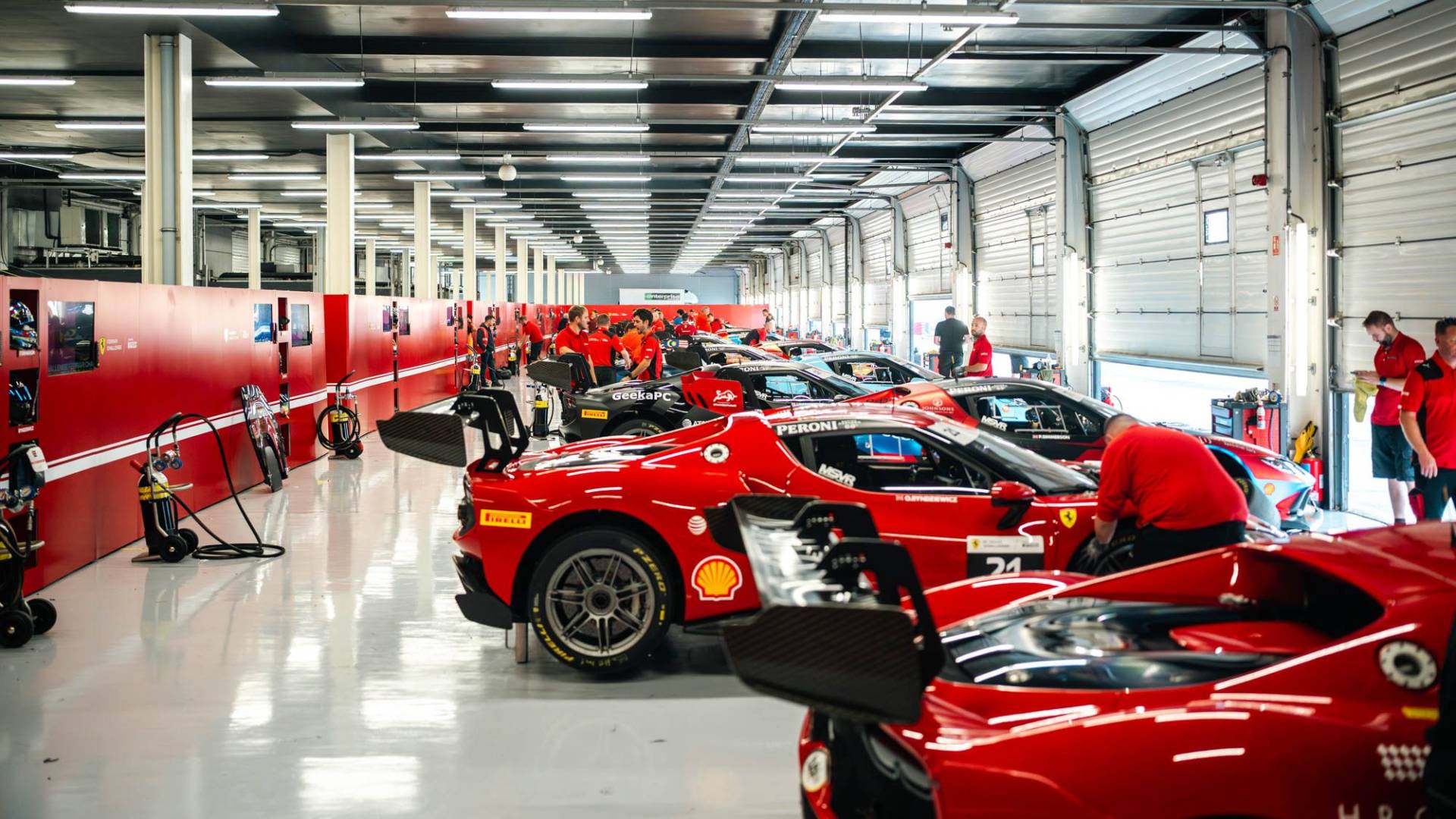
He rolled out of the pit lane and onto the circuit. The first corner arrived like a punch. The brakes were so savage he felt his lungs protest. The steering was heavy enough that he briefly wondered whether Ferrari had forgotten to fit power assistance. And the slick tyres… well, the slick tyres gripped the road with the same commitment as someone clinging to a winning lottery ticket.
He pushed harder. The car didn’t flinch. He braked later. The car laughed and asked for more. He changed direction violently. The car said, “Yes, that’s the spirit”. By the end of the session, he was battered. Aching. Thirsty. And absolutely, entirely, unquestionably hooked.
He got out of the car and didn’t say anything dramatic. He didn’t need to. The look on his face said everything. The 488 Evo had opened a door he didn’t want to close again.
Within weeks, he’d signed up for Ferrari Challenge UK. Ferrari Challenge isn’t gentle. It doesn’t hold your hand. It doesn’t care if you’re talented, or keen, or have a lovely smile. It is a grid full of people who know exactly what they’re doing — or people who think they do, which is sometimes more dangerous.
On that grid, Pranav arrived with no fireworks, no boasting, no theatrical shredding of tyres. Just calm intent. And on that same grid was a man who would shape the next part of his life far more than either of them expected — Gilbert Yates.
Gilbert was the benchmark — a man with decades of racing behind him and the speed to prove it. Calm. Experienced. Annoyingly consistent. The kind of driver who didn’t make mistakes. The kind who finishes the race and says things like, “Yes, decent pace today", when he’s absolutely destroyed the field.
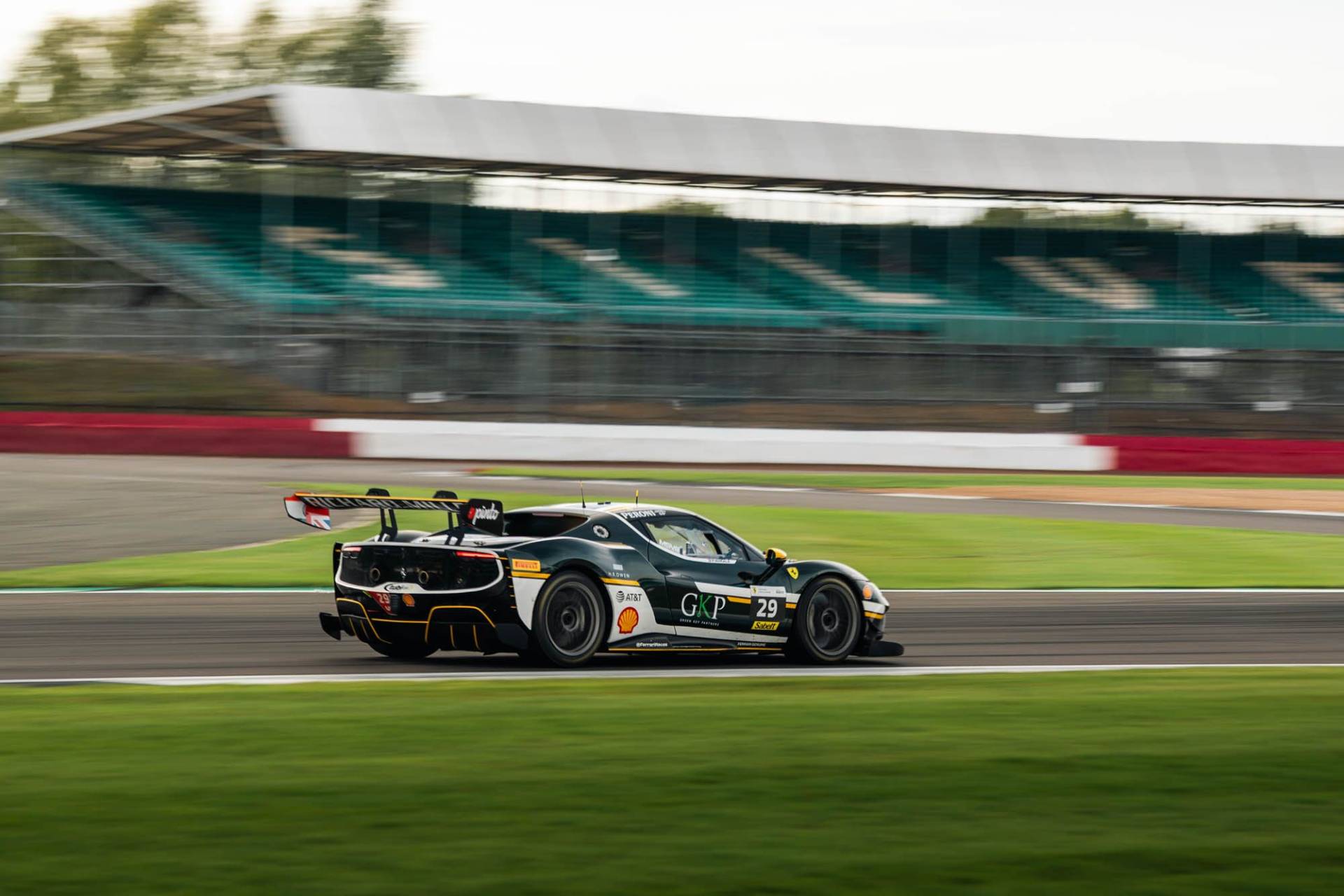
Pranav’s first season became a lesson in frustration. At Brands Hatch, he was quick — but Gilbert was quicker. At Silverstone, he threw everything at it — but Gilbert had more. At Donington, he closed to within striking distance — and still Gilbert found a tenth somewhere nobody else would even look. Each weekend ended the same way — Pranav rolling into the paddock knowing he’d driven well… but knowing that Gilbert had, somehow, driven that tiny fraction better.
Still, there were moments. Flashes. Hints. A brave move up the inside here. A rapid sector there. A qualifying lap that surprised people who had underestimated him. But motorsport isn’t about flashes. It’s about finishing first when it matters.
And then came the mishaps. There was the race where the back stepped out at exactly the worst possible moment and left him sideways, staring at an exit he had absolutely no intention of visiting. There was the gravel trap incident — not dramatic, not dangerous, just deeply irritating, like tripping on your own shoelace in public. And then the DNF — a minor mechanical gremlin that felt like a slap in the face. Nothing catastrophic. Nothing heroic. Just a quiet roll back to the pits with the sort of sinking feeling you can’t hide.
Meanwhile, Gilbert kept doing what Gilbert does — finishing. Winning. Taking points. Smiling modestly about it. Pranav wasn’t discouraged. But he wasn’t satisfied either. He wanted more. Needed more. Was capable of more.
And then Ferrari, in their usual dramatic fashion, decided to change the entire playing field. They retired the 488 Challenge Evo, and introduced the 296 Challenge. It was like switching from a heavy metal guitarist to a violin prodigy. The 488 was brute force. The 296 was precision. The 488 rewarded drivers who attacked. The 296 rewarded drivers who understood.
It was a massive shift — not just mechanically, but psychologically, and it came at a crucial moment in Pranav’s story. Because he didn’t just have to learn a new car. He had to learn it while still chasing the one man he’d never quite managed to beat — Gilbert Yates.
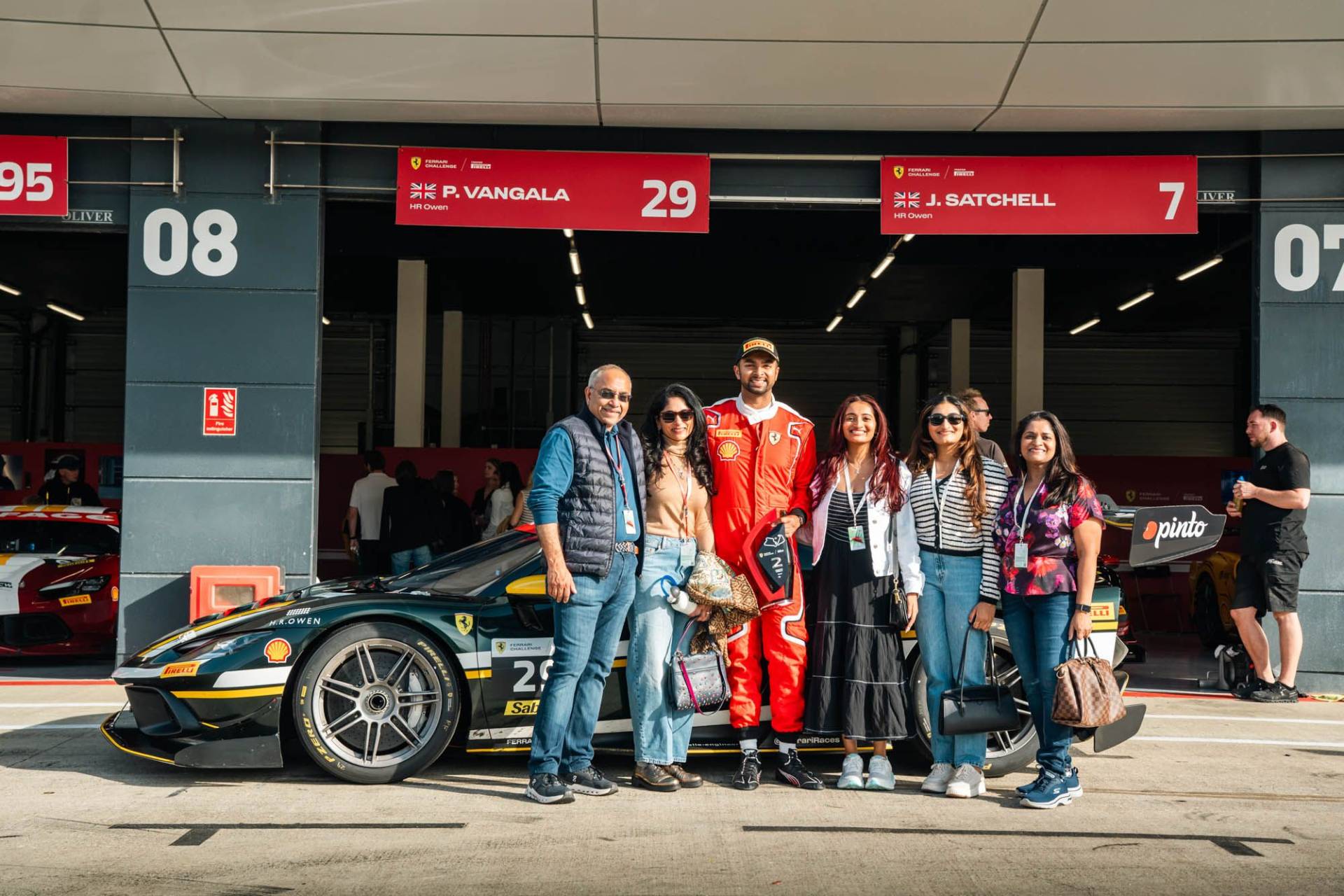
The move from the 488 to the 296 Challenge came at exactly the wrong moment — which is to say, the perfect one. It forced Pranav to rebuild parts of himself he didn’t know needed rebuilding.
The 488 was all elbows and adrenaline — grab it, throw it, dominate it. The 296 was a different machine entirely. Sharper. Wiser. Less forgiving. A car that punished impatience and rewarded calm.
It took him days — real days — to understand it. The new braking feel. The turn-in speed. The way the car wanted to be guided, not bullied. At first, he over-drove. Then he under-drove. Then he found himself in that awkward middle ground where every lap feels “almost right” but somehow wrong.
And while he was working all of this out, the racing world kept moving. Other drivers adapted faster. Gilbert adapted instantly. And the gap widened.
There were near-misses. Races where a tiny mistake on lap three killed the whole afternoon. Races where he showed brilliant pace but couldn’t make a move stick. Weekends where the car felt perfect until the moment it didn’t. Moments where the stopwatch mocked him. Moments where the podium ceremony seemed to happen in a different universe entirely.
But these are the races that actually make a driver. Not the wins. Not the podiums. The messy middle. The learning. The frustration. The long drives home where you replay one corner seventeen times in your head. Each setback taught him something. Each near-miss sharpened him. Each mistake sanded away the hesitation that had once held him back.
He didn’t realise it then, but this was the work that would make Navarra possible. Because Navarra was coming. And Navarra had no idea what was about to hit it.

By the time the grid rolled into Navarra, the tension in the air felt different. Not heavy. Not anxious. Just… charged. Like static before a storm.
Pranav arrived with the sort of quiet focus that made people step out of his way without knowing why. Not aggression. Not ego. Just presence. He’d spent two seasons learning, nearly winning, almost beating the one man who refused to budge.
The mishaps had shaped him. The DNF had humbled him. The “should haves” had toughened him. The 296 Challenge had forced him to rebuild himself as a driver. And now everything in his life — from that dusty kart in Gaydon to the sodden pit lane in Italy — had funnelled him towards this one weekend.
Navarra is not an easy circuit. It looks simple on paper. It isn’t. Fast sweeps hide nasty cambers. Braking zones tighten just when you think they won’t. Corners whisper lies about how fast you can take them. It’s the kind of track that rewards nerve and mocks hesitation.
And there, in the middle of it all, sat Gilbert Yates. Still the benchmark. Still the mountain. Still the one man Pranav had never quite managed to topple. Except this time, something was different. Pranav wasn’t chasing anymore. He was hunting.
The lights went out. Gilbert launched cleanly. Pranav tucked in behind him with a confidence that didn’t feel like hope anymore — it felt like certainty. For the first few laps, nothing happened. At least, nothing obvious. But small things started to shift.
Pranav’s braking was later. His exits were sharper. His lines were cleaner. The gap, once stubbornly constant, began to shrink. At first by centimetres. Then by metres. Then by whole car lengths. People on the pit wall noticed. Commentators leaned forward. Mechanics who weren’t even in their team wandered over to watch.
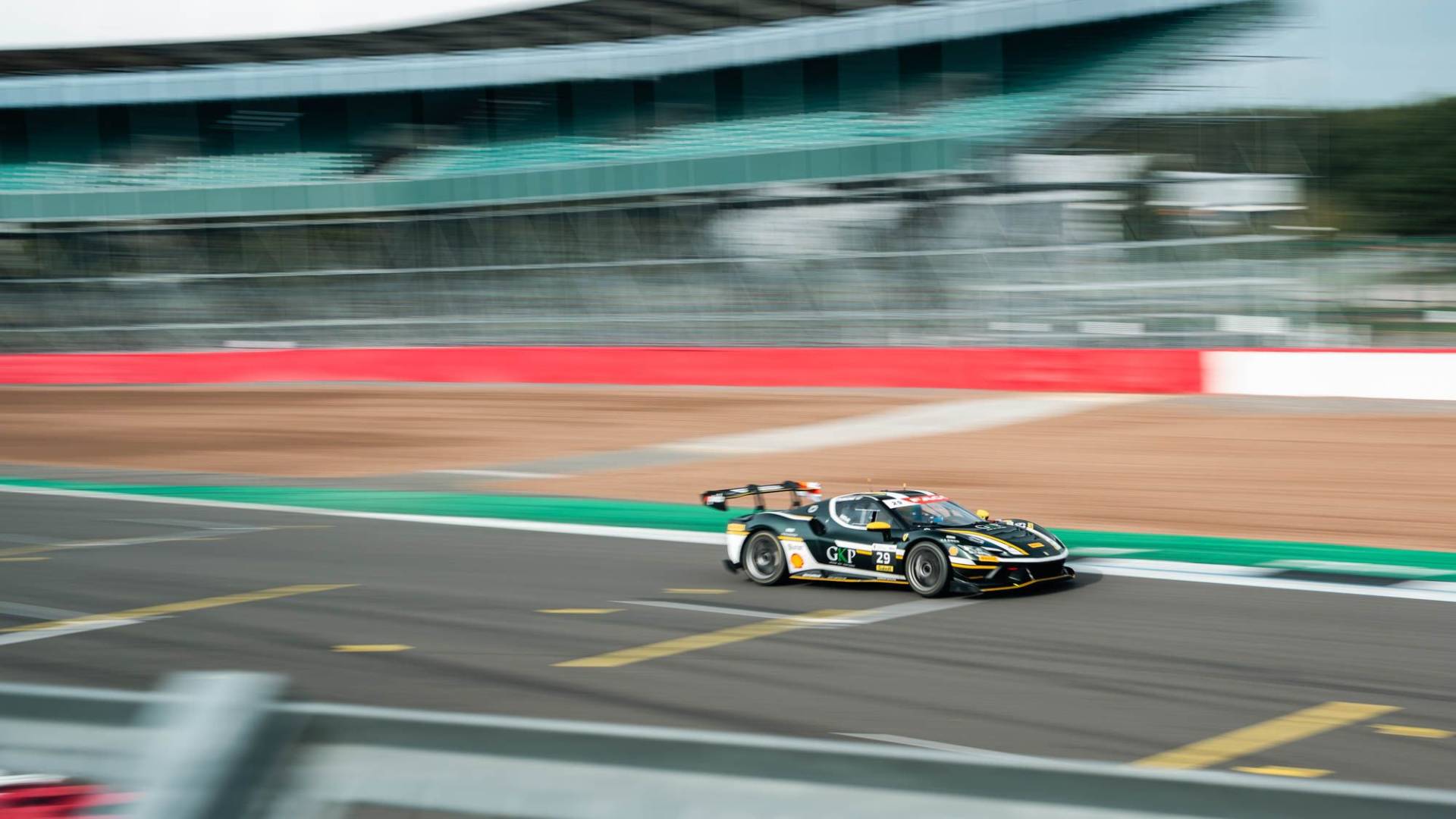
Gilbert noticed too. How could he not? By mid-race, Pranav was in the zone. Not the “push harder” zone — the opposite. The calm zone drivers rarely talk about. The zone where the car feels like an extension of your arms, where everything slows down even while the speed climbs, where milliseconds feel like hours, and every decision feels surgically precise. He wasn’t overdriving. He wasn’t forcing anything. He was simply — finally — ready.
Lap after lap, the pressure built. Every corner, Pranav closed the gap. Every straight, he drew closer into the slipstream. Every braking zone, he positioned the car exactly where Gilbert could see it in the mirror. Just enough to say: “I’m here”. “I’m coming”. “Get ready”.
But Navarra is cruel. Opportunities don’t appear often. And the few that do evaporate as quickly as they arrive. Pranav had been here before — the almosts, the maybes, the “if only the race had one more lap".
Not today. Two laps from the end, it happened. Gilbert ran fractionally wide exiting a corner. Not a mistake — he didn’t make those — but a human moment. A moment you don’t even see unless you’re close enough to count the bolts on the rear wing. Pranav saw it. And instead of hesitating, instead of thinking about it, instead of calculating or doubting or remembering the heartbreaks, he moved.
The gap wasn’t really a gap. It was more a suggestion. The kind of opening racing drivers dream about, and normal people would dismiss as suicide. But he went anyway. A lunge. Clean. Controlled. Committed. The kind of move that defines seasons, not races.
The cars ran side by side. A heartbeat. Then two. Then three. The commentator’s voice cracked. The pit wall stared. Even the trackside birds paused in mid-air. And then — he was ahead.
It took a second for it to sink in. Another second for everyone watching to realise what had just happened. Another second still for Gilbert, who, despite everything, gave him racing room and lived up to the absolute class he’d always shown.
From that point, Pranav didn’t look back. He drove the final lap with the composure of someone who’d been there before, even though, in truth, he never had. Not like this. Not with that rival behind him. Not with the weight of two seasons lifting from his shoulders like storm clouds parting.
He crossed the finish line. Not with a scream. Not with a fist in the air. But with a long, slow breath… the kind of breath that only comes after months of climbing the same impossible mountain.
Gilbert pulled alongside afterwards. A nod. A raised hand. A gesture only racing drivers truly understand. Respect. Recognition. A passing of something unspoken.
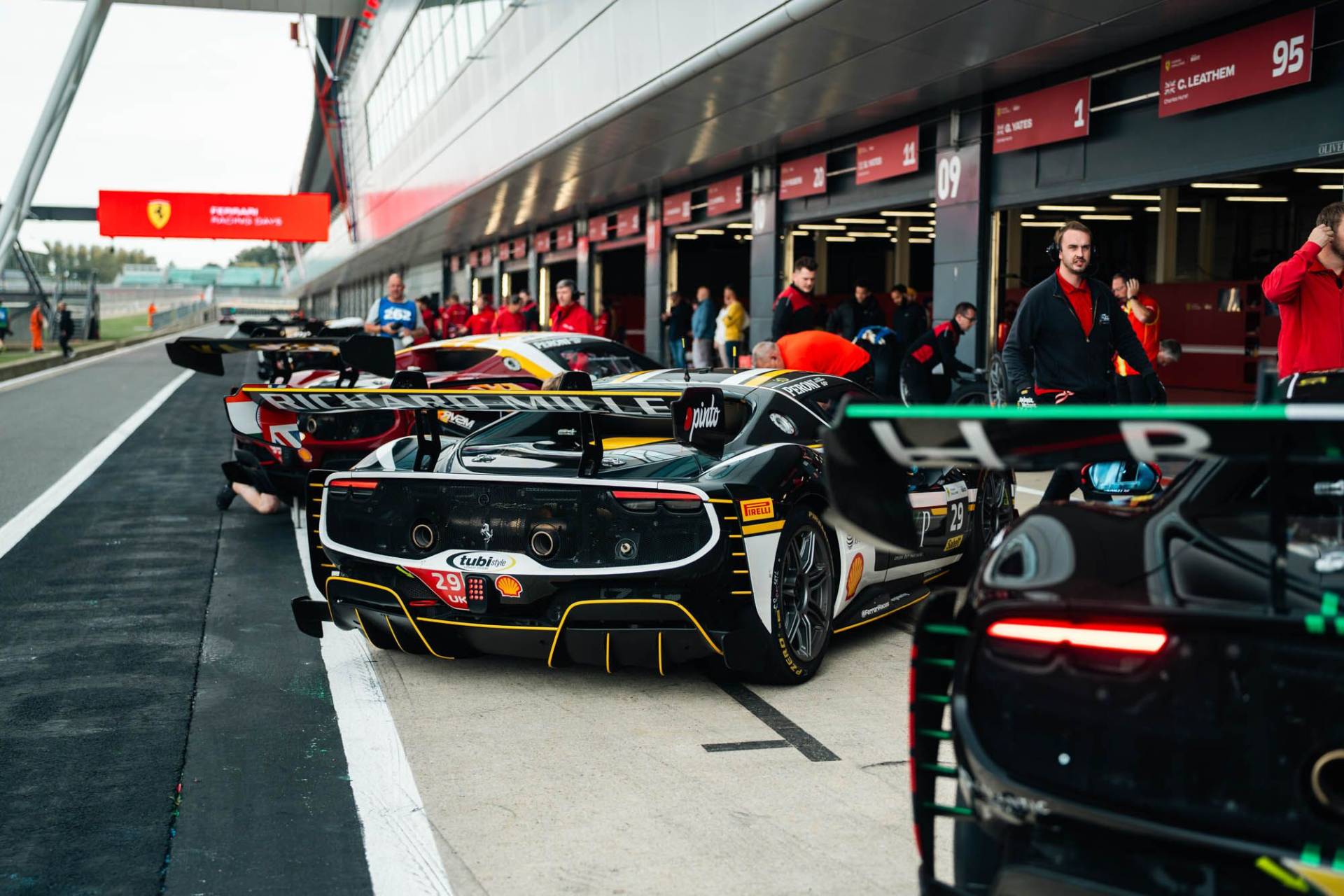
And Pranav? He stepped out of the car looking exactly like himself. Calm. Grounded. Modest. But with a glow — a quiet, unmistakable glow — of a man who finally turned every frustration, every lesson, every setback, every nearly-there moment… into a win that mattered.
The paddock felt different that day. People smiled wider. Mechanics clapped him on the back. Other teams walked over to congratulate him.
Even strangers felt it: something had shifted in the story of this grid. Because Navarra wasn’t just a victory. It was a release. A proof. A culmination. A moment that tied every thread of his life together — from dusty karting circuits in Gaydon to the thunder of a V12 DB9, from the gravel traps to the heartbreaks, from the old 488 bruiser to the sharp new 296, from frustration to understanding… and finally, from chasing Gilbert Yates to beating him cleanly, beautifully, decisively.
It was the moment the boy became the driver he always could have been. And the moment the driver became the man he’d worked so hard to become. A story that began at eight years old in a battered kart had finally — gloriously — found its first great ending.
And the best part? It wasn’t the end at all.
Written by: Paul Pearce