Feature
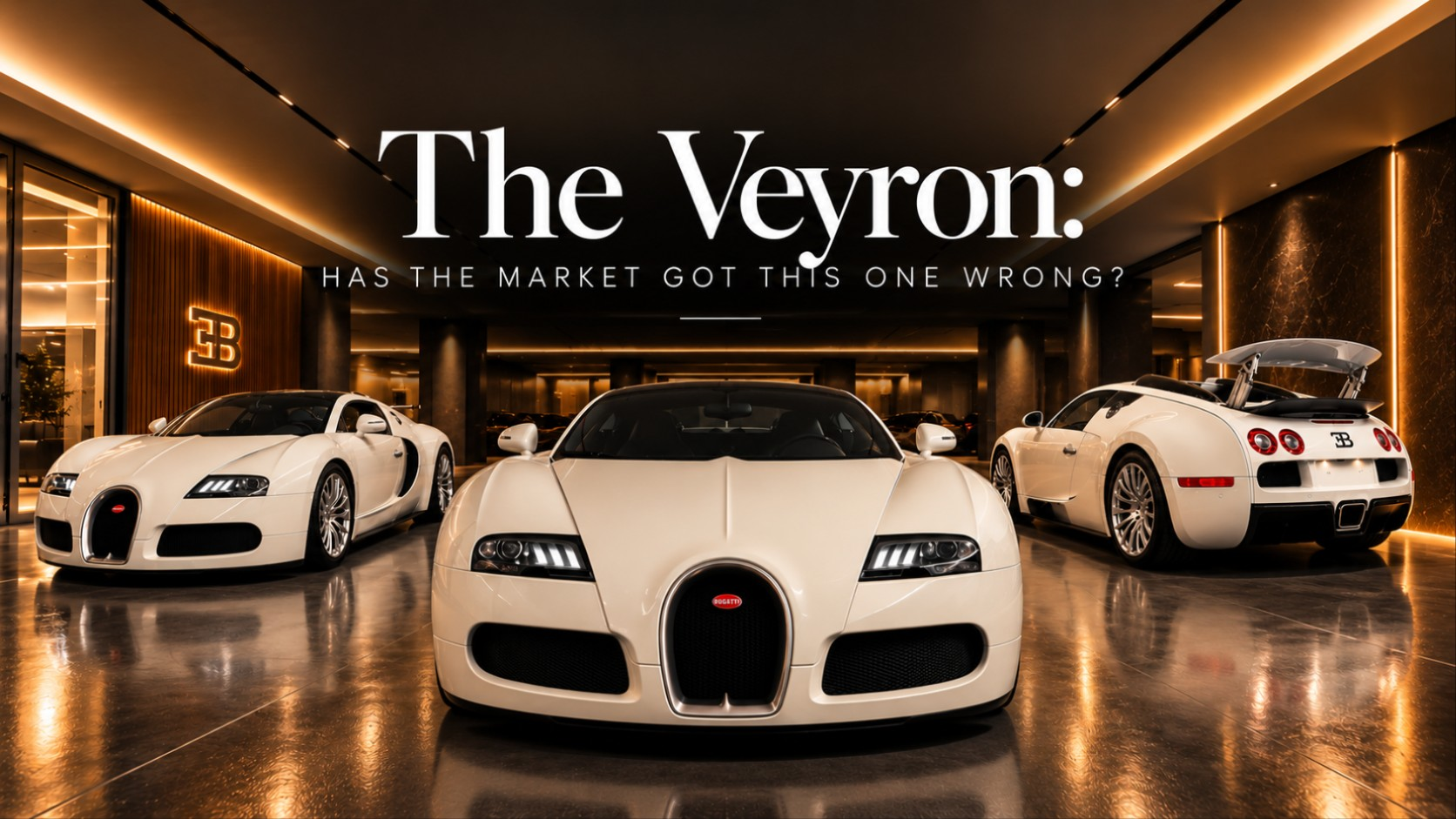
The Veyron: Has the Market Got This One Wrong?
I think the Bugatti Veyron might be one of the most undervalued important cars of the last 25 years, sounds ridiculous but hear me out...
October 7, 2026
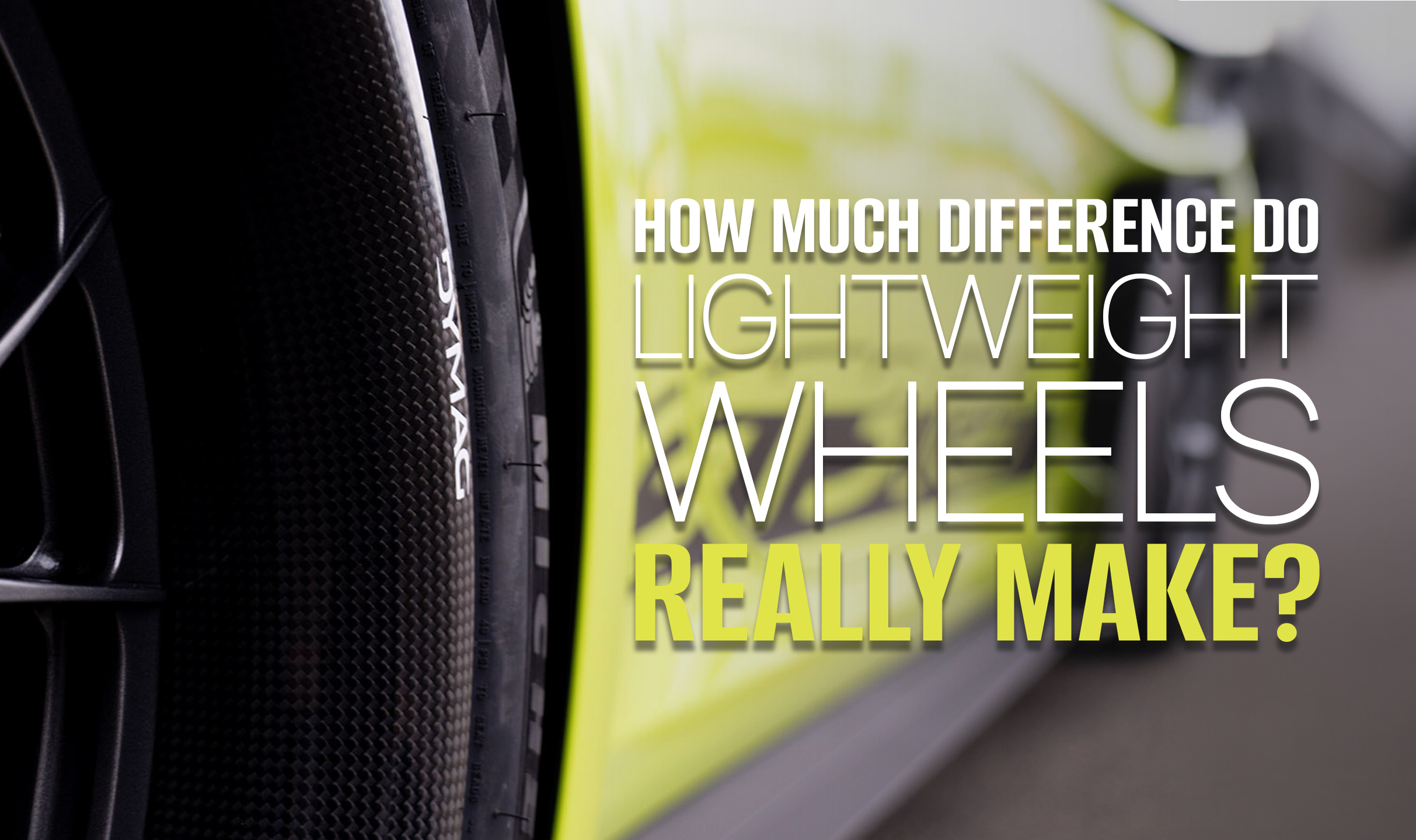
A lighter wheel isn't just a lighter wheel. It is unsprung mass. It is rotating mass. But how much difference does that make?
There is something interesting happening with the latest recreations of modern classics. Not the kind of modern classic that simply takes an old shape, adds a few modern touches and calls it a day. We’re talking about the cars being created by small, ambitious manufacturers who are trying to work out how to take everything we love about the past and make it work properly in the present.
There is a recurring detail that you might not have noticed. Look closely at the wheels.
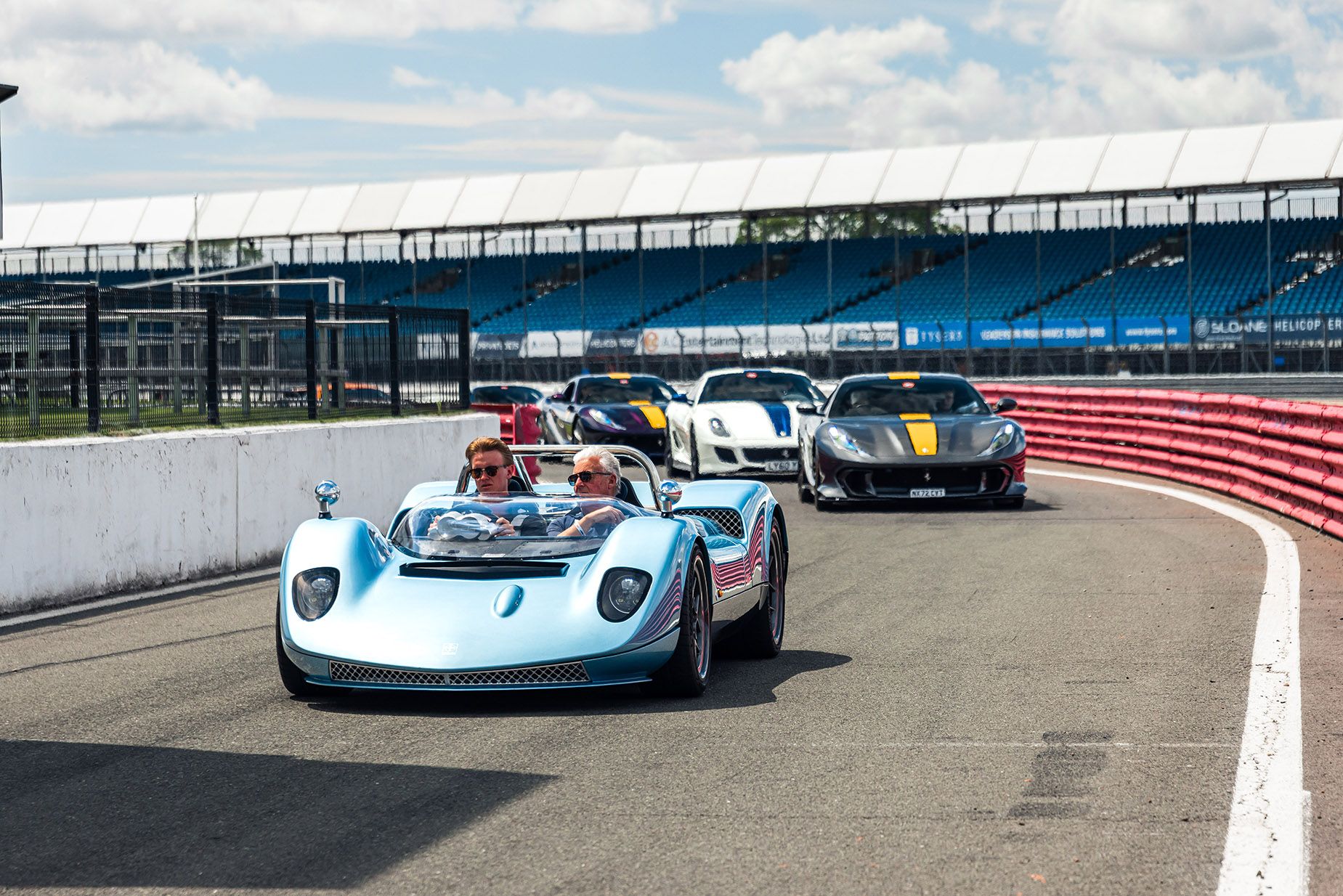
The Nichols N1A has them. Radford has used them on the Type 62-2 and now on its latest Roadster. BAC has been using them for years with the Mono. And once you start looking, DYMAG wheels seem to appear with surprising regularity on the sorts of cars that get enthusiasts particularly excited.
At first glance, it would be easy to assume that it is simply another way of making an already exotic car look even more exotic. And, to be fair, they do look the part. But that isn't really the interesting bit.
We tend to think of wheels as something that sits between the car and the road. Obviously, that's true. But they are also one of the few components where weight, strength and inertia have a particularly direct effect on the way a car feels. They are much more important than you might have thought.
A lighter wheel isn't just a lighter wheel. It is unsprung mass. It is rotating mass. It affects how quickly the suspension can respond, how readily the car changes direction and how much effort is required to accelerate and slow everything down.
For a car like the Nichols N1A, that matters. This is a car that weighs less than 900kg and produces more than 700bhp from a naturally aspirated 7-litre V8. It has been designed around the idea that less is more, with a lightweight aluminium and carbon fibre structure and very little between the driver and the mechanical experience. Adding a heavy wheel to something like that would rather miss the point.
It is one of those details that might not make for the biggest headline, but makes a lot of sense when you think about the whole car. And this is where DYMAG's carbon-hybrid approach becomes particularly interesting. Rather than making the entire wheel from carbon fibre, DYMAG combines a carbon-fibre rim with a forged aluminium or magnesium centre. The result is a wheel that can be engineered around low weight and low inertia, while still giving manufacturers considerable freedom when it comes to the design of the centre.
In other words, you don't have to compromise the way the wheel looks just because you're trying to make it technically clever. Which is probably why the restomod world likes them.
The modern restomod and continuation-car movement is an interesting place. These aren't manufacturers simply trying to build the fastest car possible, they are trying to build the right car.
That means obsessing over details that might seem slightly excessive to everyone else. The steering wheel needs to feel right. The seats need to look right. The engine needs to sound right. The gearshift needs to have the right amount of resistance. And, increasingly, the wheels need to feel like they belong to the car rather than simply being something chosen from a catalogue. That last part is important.
A DYMAG carbon-hybrid wheel is a performance component, but it is also something that can be tailored to the character of the car. The two-piece construction allows the centre and carbon rim to be specified separately, giving manufacturers considerably more freedom over the finished design.
That makes a lot of sense when you're building cars in limited numbers, often for customers who want something genuinely individual.
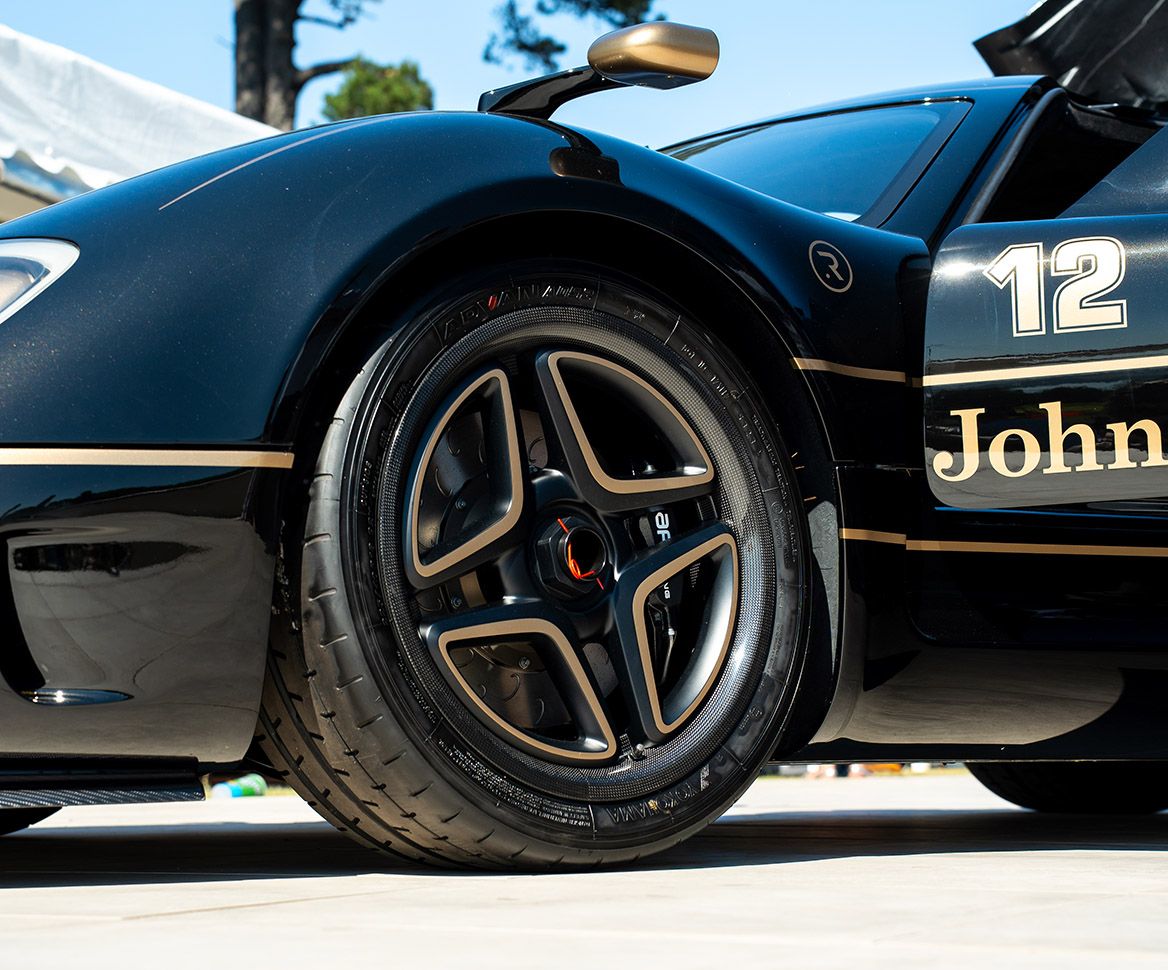
Radford is perhaps the perfect example. The Type 62-2 was already an exercise in taking a piece of Lotus racing history and interpreting it through a modern lens. Now the new Radford Roadster continues that philosophy, drawing inspiration from the 1969 Lotus Type 62 while using thoroughly modern engineering underneath. And once again, DYMAG is part of the story.
The Roadster uses bespoke DYMAG carbon-hybrid wheels, combining their BX-F carbon rim with a magnesium centrepiece. Radford's own reasoning is refreshingly straightforward: every component needs to contribute to the driving experience, rather than simply being there because it looks good.
That feels like the important distinction. The wheel isn't there because it's carbon, it is there because it makes sense for the car. The fact that it also happens to look fantastic is almost a bonus.
BAC was doing this before carbon-hybrid wheels became quite as familiar as they are today.
Back in 2016, BAC worked with DYMAG to develop hybrid carbon-composite wheels for the Mono. The lightweight 17-inch wheels reduced weight at each axle, with BAC quoting a 23.5 per cent reduction across the front axle and 22.9 per cent at the rear compared with the standard wheels.
It is difficult to think of a car where that kind of thinking makes more sense.
The Mono has always been about stripping away anything that isn't necessary and putting the driver as close to the experience as possible. If you're going to obsess over every kilogram in a single-seat sports car, why wouldn't you look very carefully at what is spinning at each corner?
It is telling that DYMAG's relationship with BAC has continued through subsequent versions of the Mono, while the company has also found its way onto a growing collection of specialist and limited-production cars.
Perhaps the most interesting thing about all of this isn't that DYMAG wheels are appearing on these cars. It's which cars they are appearing on.
Nichols.
Radford.
BAC.
Gunther Werks.
Naran.
The list goes on.
These are companies building cars where the usual rules don't necessarily apply. Cars designed for people who will notice the difference between something that is merely good and something that has been obsessively engineered. It is the reason why their HALO-X wheels have been exclusively launched on the 992 GT3 RS. The type of car where these things matter.
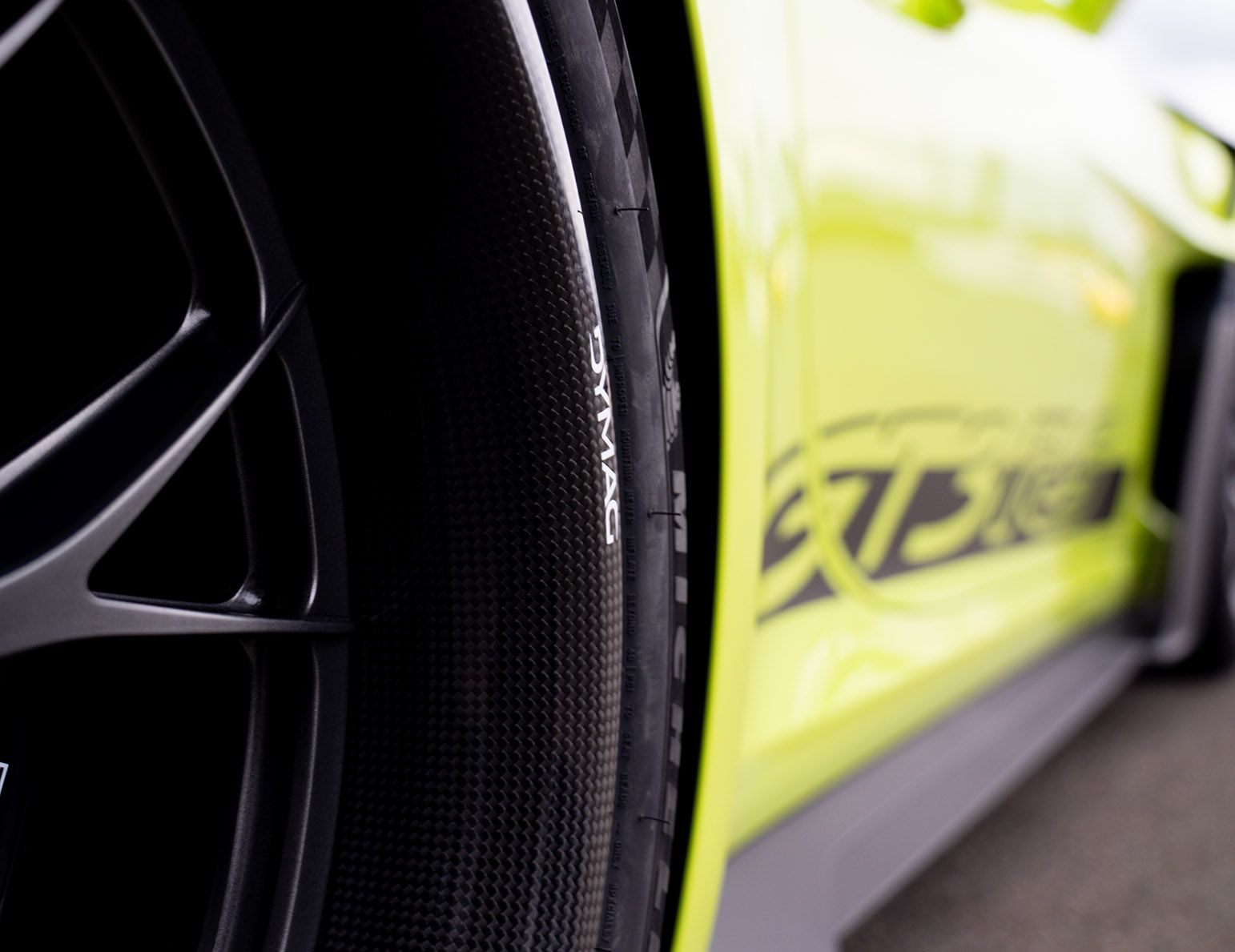
The company has been working with lightweight wheel technology for decades, with its motorsport heritage stretching back to Formula 1, IndyCar, Le Mans and Dakar. Carbon-hybrid automotive wheels have been part of its story since 2004, long before they became the fashionable option on expensive road cars.
So perhaps what we're seeing isn't really a trend for carbon wheels. It's something slightly more interesting. A growing number of manufacturers are realising that when you're trying to recreate the feel of an analogue performance car, modern technology isn't necessarily the enemy. The right technology can actually help you get closer to the experience you're trying to create.
The technology and fastidious engineering behind their carbon-hybrid wheel simply reduces something that doesn't need to be there in the first place. Weight. And when the rest of the car has been designed around the same philosophy, that suddenly becomes rather important.
Maybe that's why DYMAG keeps appearing on these cars. Not because carbon-hybrid wheels are the latest must-have accessory, but because the people building the most interesting recreation of modern classics or utilising their philosophy, are looking for the same thing as the people who buy them.
Less compromise.
More engineering.
And, ultimately, more driving.
Perhaps the most convincing endorsement of the difference a wheel can really make is how much it completes the overall feel of the car. Some modifications or adjustments you think you feel, some might improve certain areas. A noticeably lighter wheel changes everything.
Ask one of the Supercar Driver members who have tested their HALO-X wheels round a track at Season Opener or Secret Meet on their 992 GT3 RS’s what the difference is like. You might be as surprised as they were.
Better yet, why not hear what they had to say for yourself after experiencing the wheels at Season Opener HERE, and Secret Meet HERE and HERE.