Feature
McLaren and the Name Above the Door
Why McLaren's new logo means much more than you think.
September 24, 2026
There is a slight problem with publicly announcing that you think a tyre is brilliant. Eventually, someone is going to make you prove it...
I’ve been banging on about the Pirelli P Zero R for quite some time now. I fitted them to my 992 GT3 in January this year, immediately liked them and have since been telling pretty much anyone unfortunate enough to ask me about tyres just how good I think they are.
The problem with that is most of my driving at home doesn’t really constitute much of a test. A Sunday morning blast followed by a coffee and a bacon sandwich might tell you whether you like the way a tyre feels, but it’s hardly the Nürburgring 24 Hours.
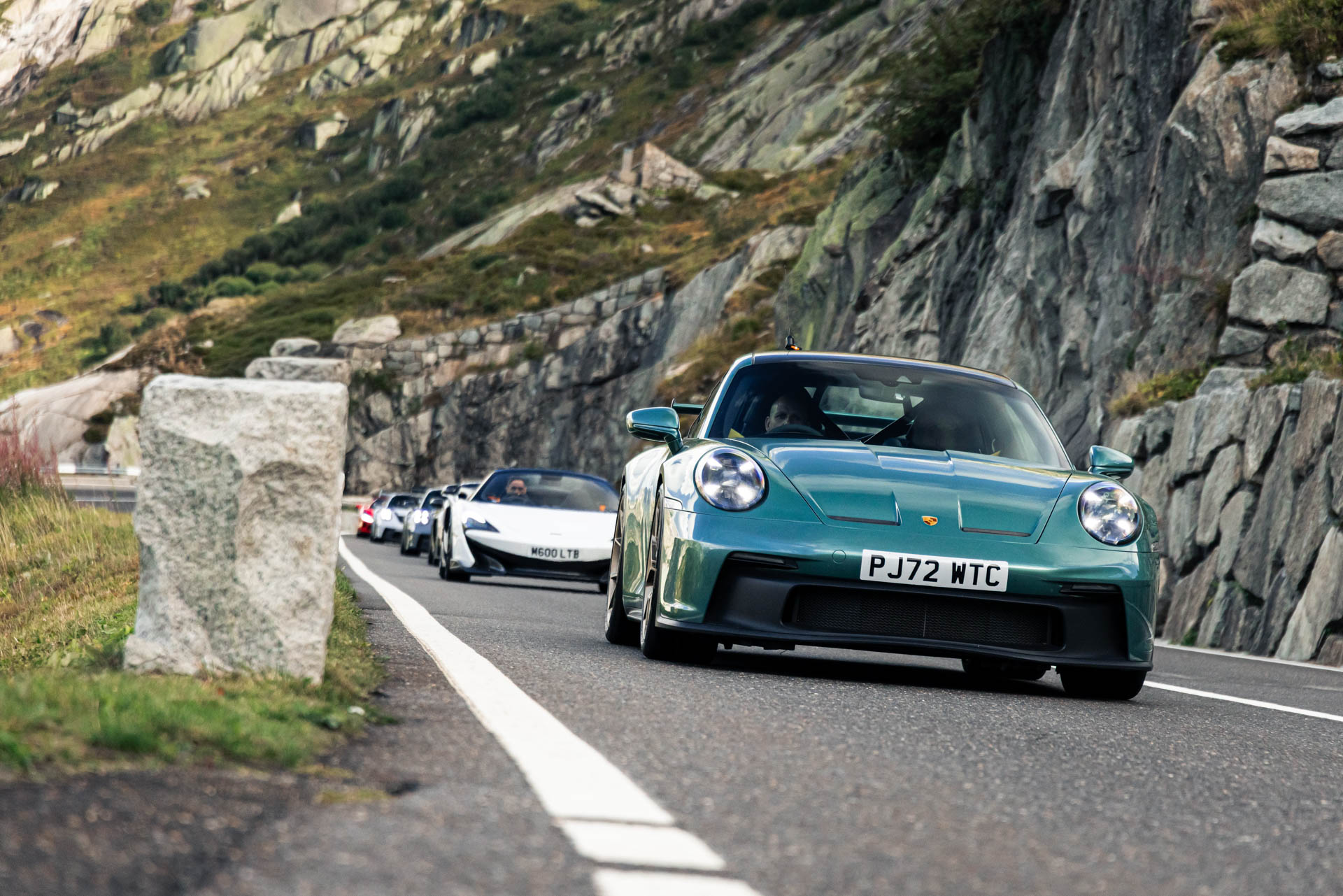
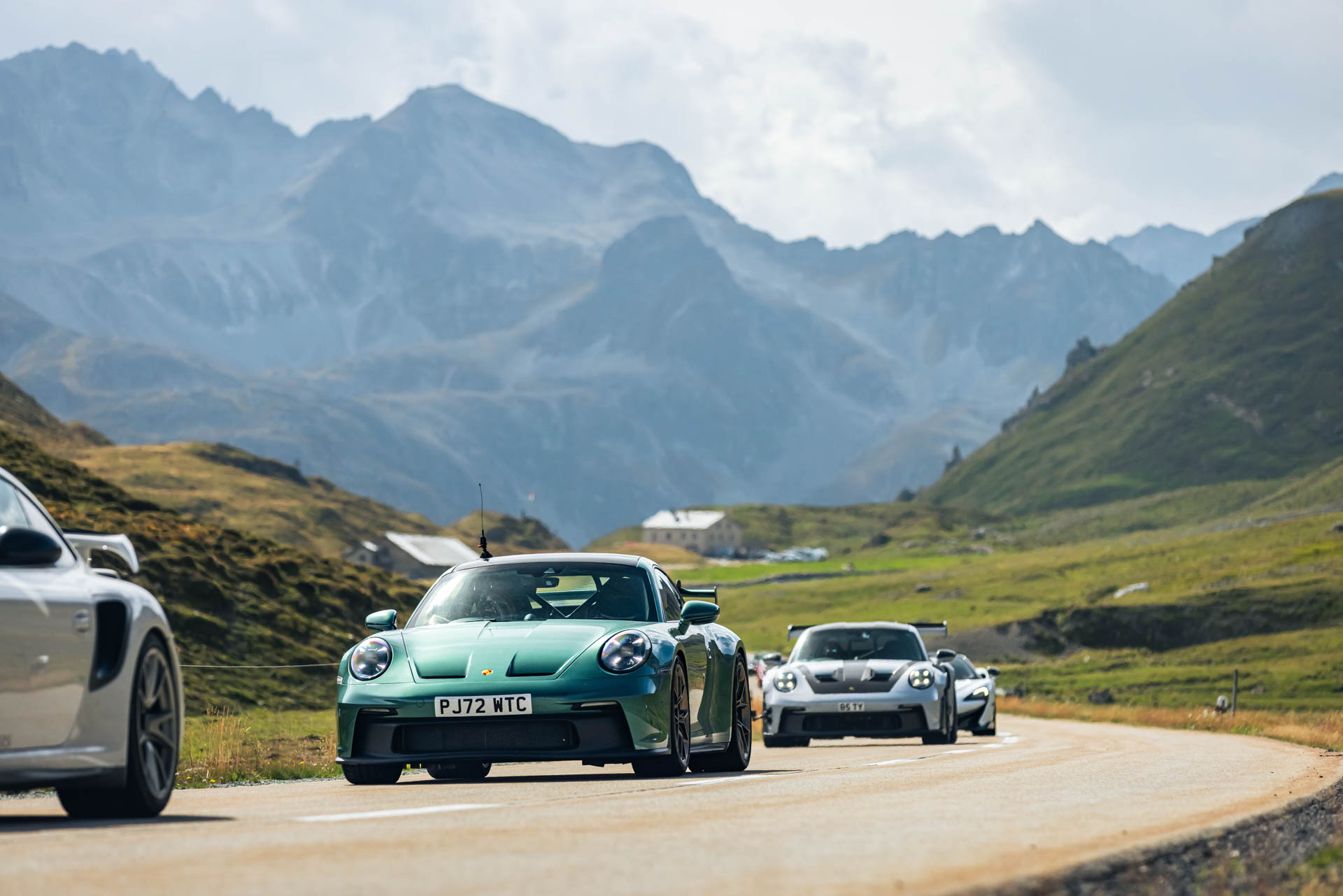
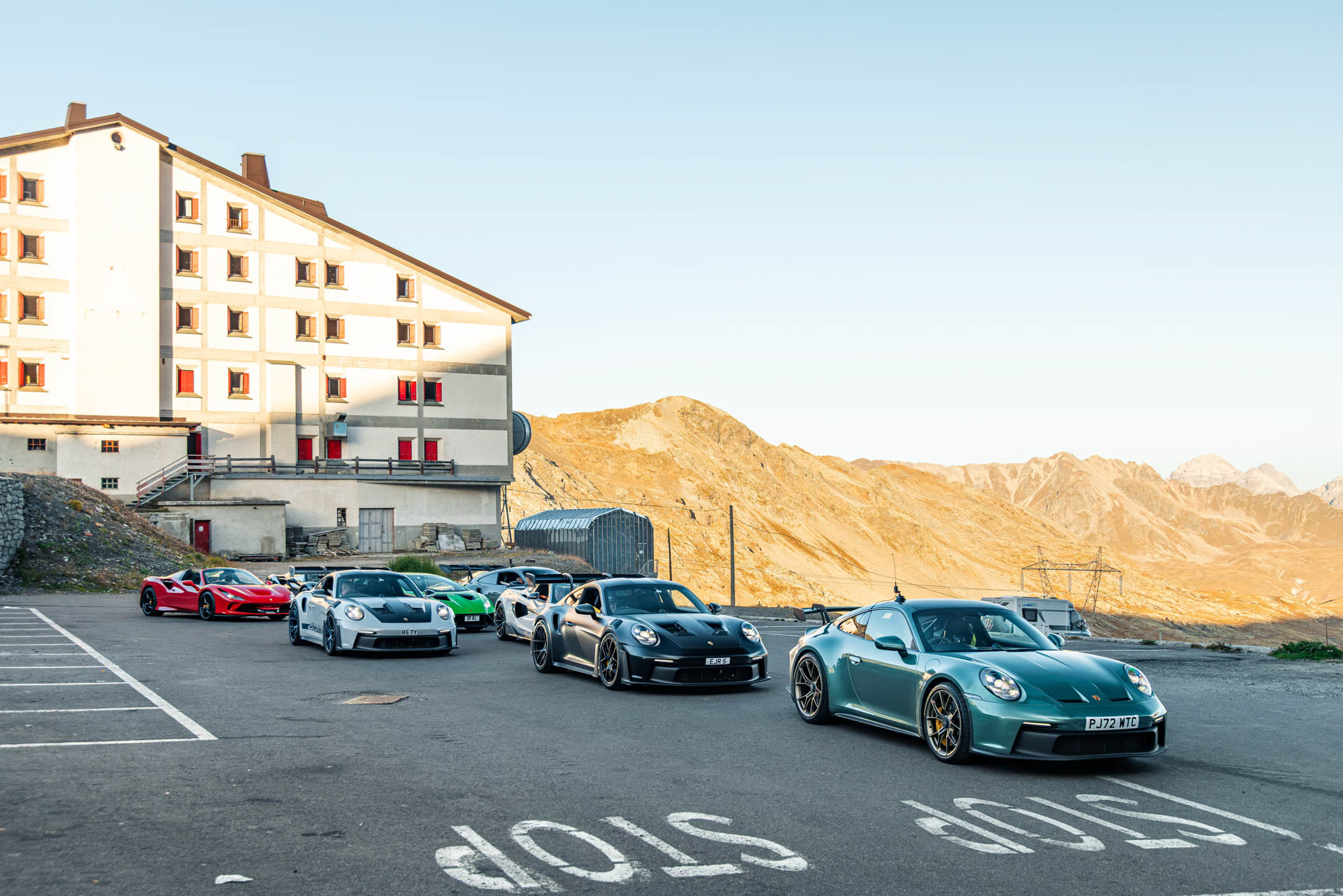
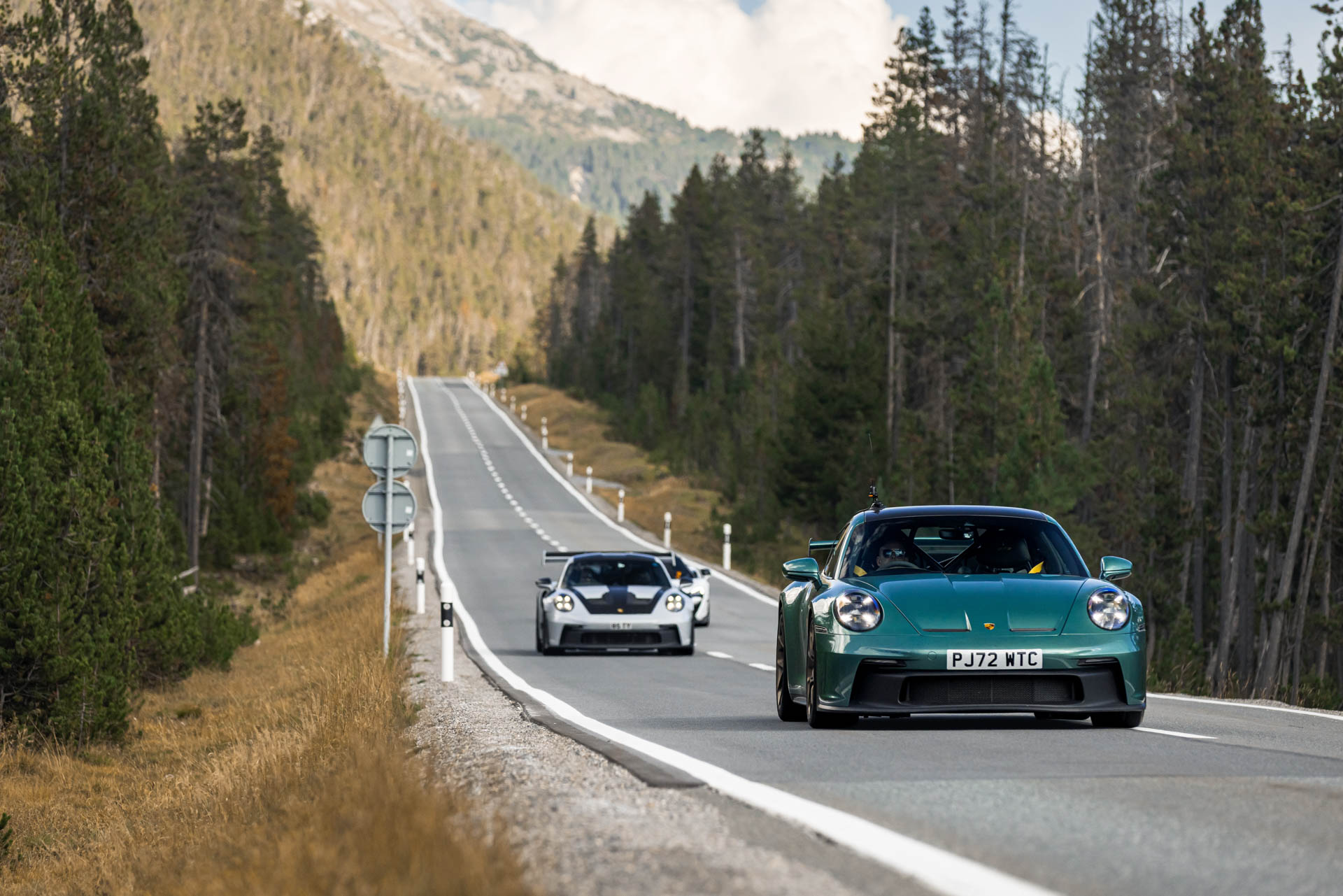
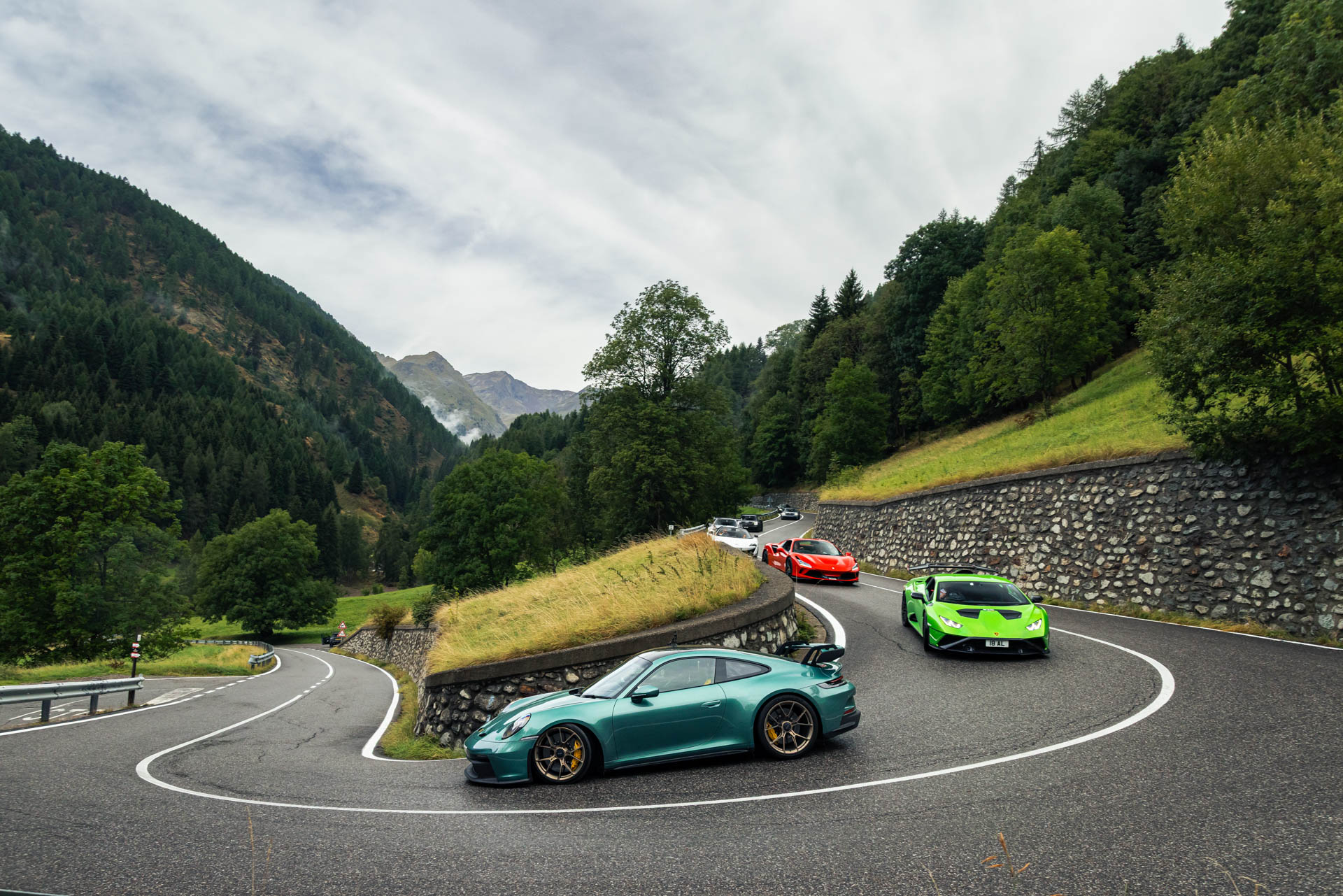
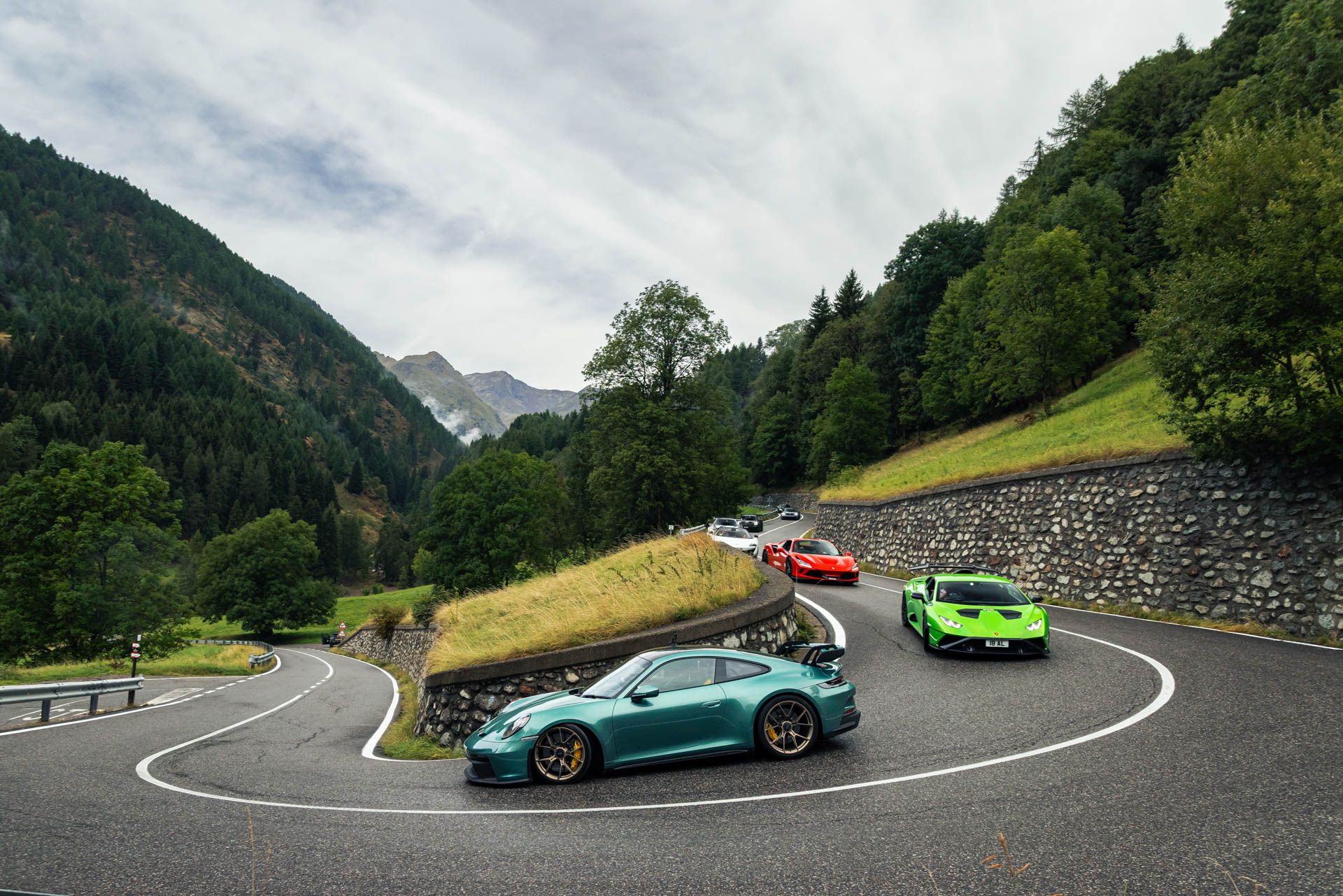
Two back-to-back Supercar Driver tours through the Dolomites, on the other hand, should probably do it. Same GT3. Same driver. Same P Zero Rs. Hundreds of miles, two runs across Stelvio Pass, endless mountain roads and weather that ranged from glorious sunshine to the sort of rain that makes you wonder whether Noah had considered a GT3 before settling on the ark. If the Pirellis were going to make a liar out of me, this was their chance.
Tyres are possibly the least glamorous performance modification you can make to a supercar, despite being by far one of the most important. We’ll happily spend thousands on exhaust systems to gain 15bhp, carbon fibre to save three kilograms and suspension components that we then spend six months adjusting before eventually putting them back where they started. Yet the entire relationship between your car and the road ultimately comes down to four patches of rubber roughly the size of your hands.
On a 992 GT3, those four patches have quite a lot to deal with. For years Michelin has been the benchmark in this world. The Pilot Sport Cup 2 is the tyre against which we tend to measure serious dry-road performance, while the Pilot Sport 4S has become the default answer for someone wanting a brilliant performance tyre that can also cope when the weather inevitably goes British.
My view of the P Zero R before the Dolomites was already very positive. In fact, I’d go further than that — I thought it was one of the best road tyres I’d used. In my head, it sat remarkably close to a Cup 2 in the dry, while being better than a Pilot Sport 4S in the wet. That’s quite a claim, because normally tyres involve compromise. Make one exceptional in the dry, and you usually give something away when it’s wet. Give it fantastic wet-weather manners, and you tend to sacrifice some of the stiffness and response you want when you’re really leaning on a car.
What I wanted to find out in the Dolomites was whether my opinion survived when the conditions stopped being convenient. It did.
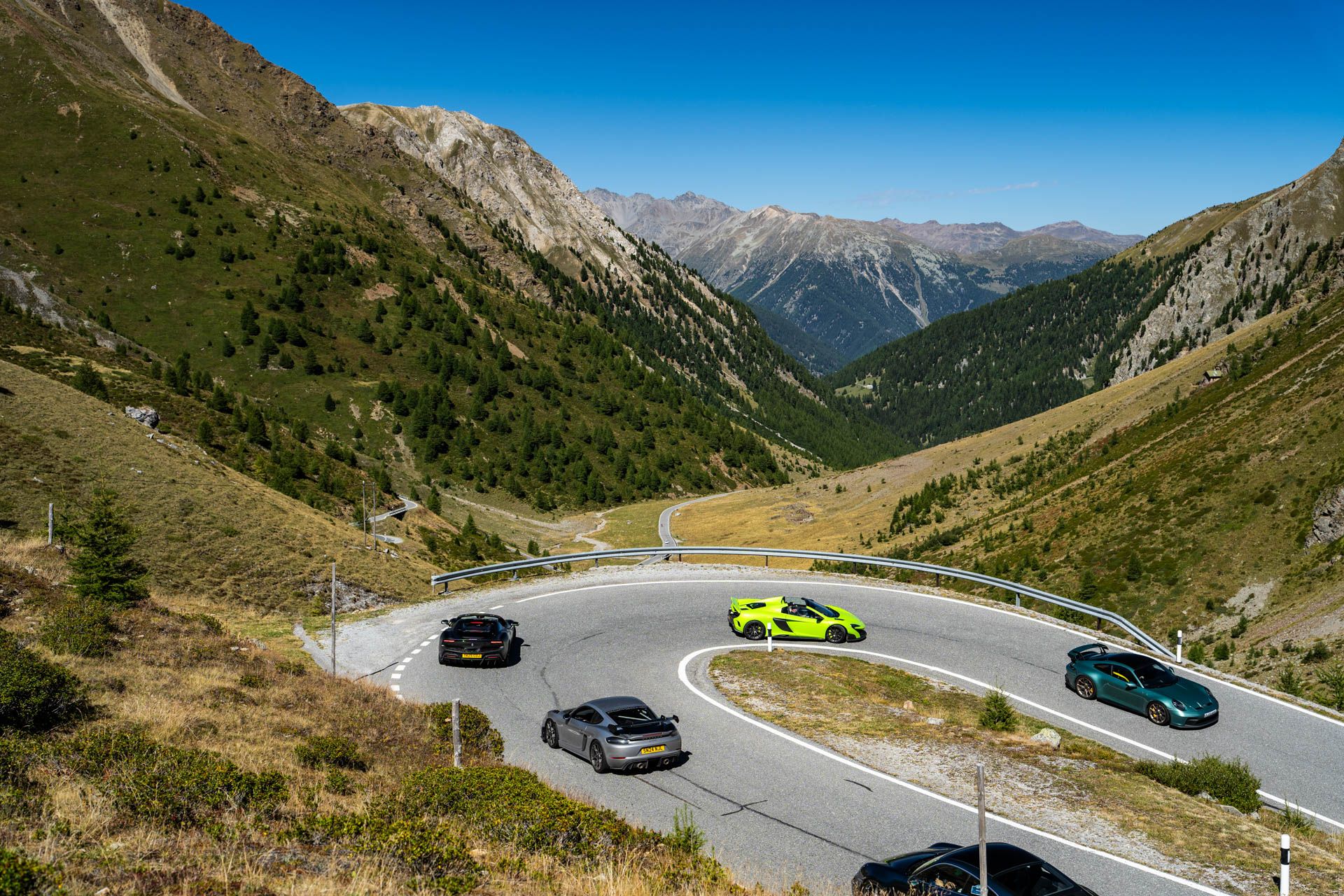
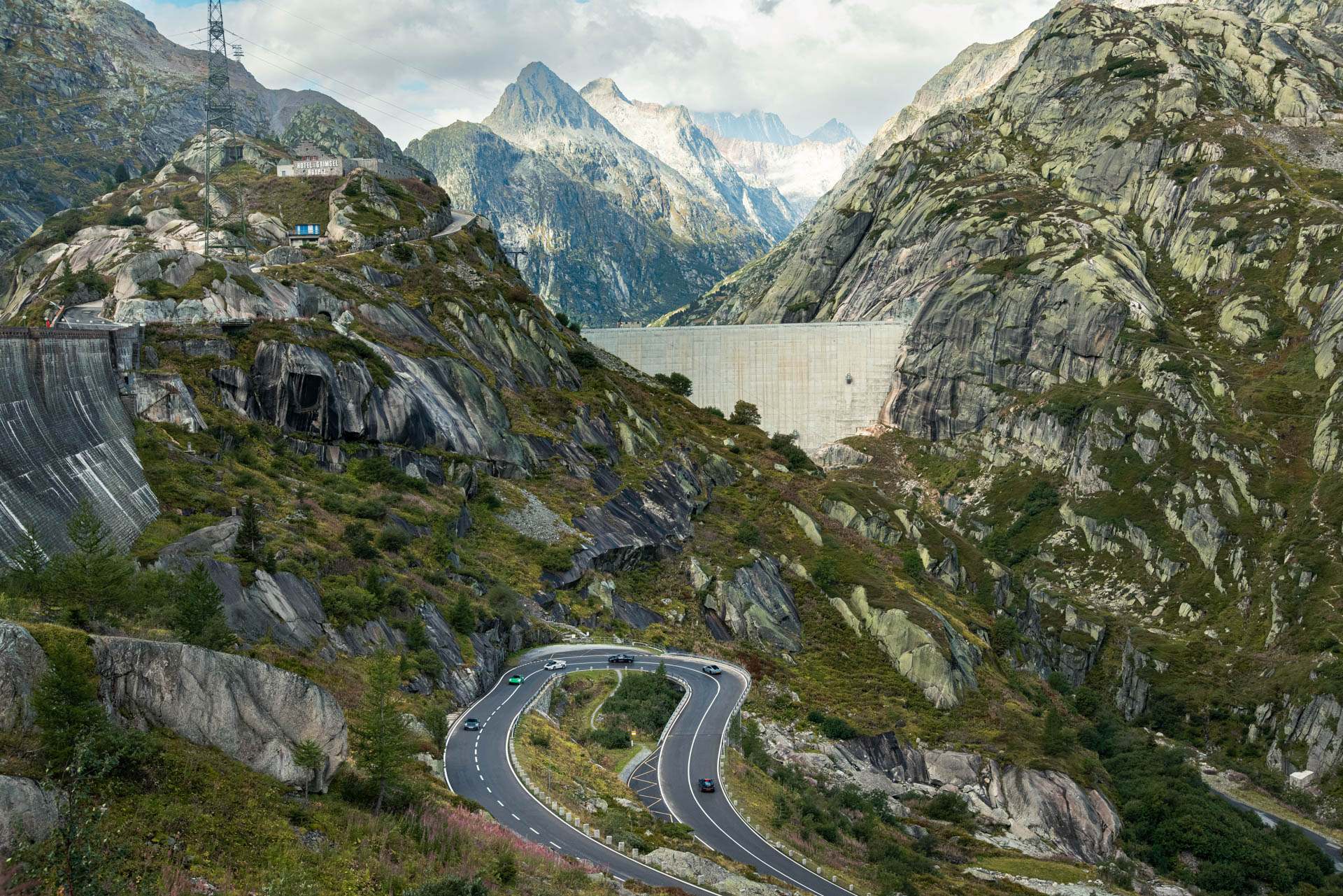
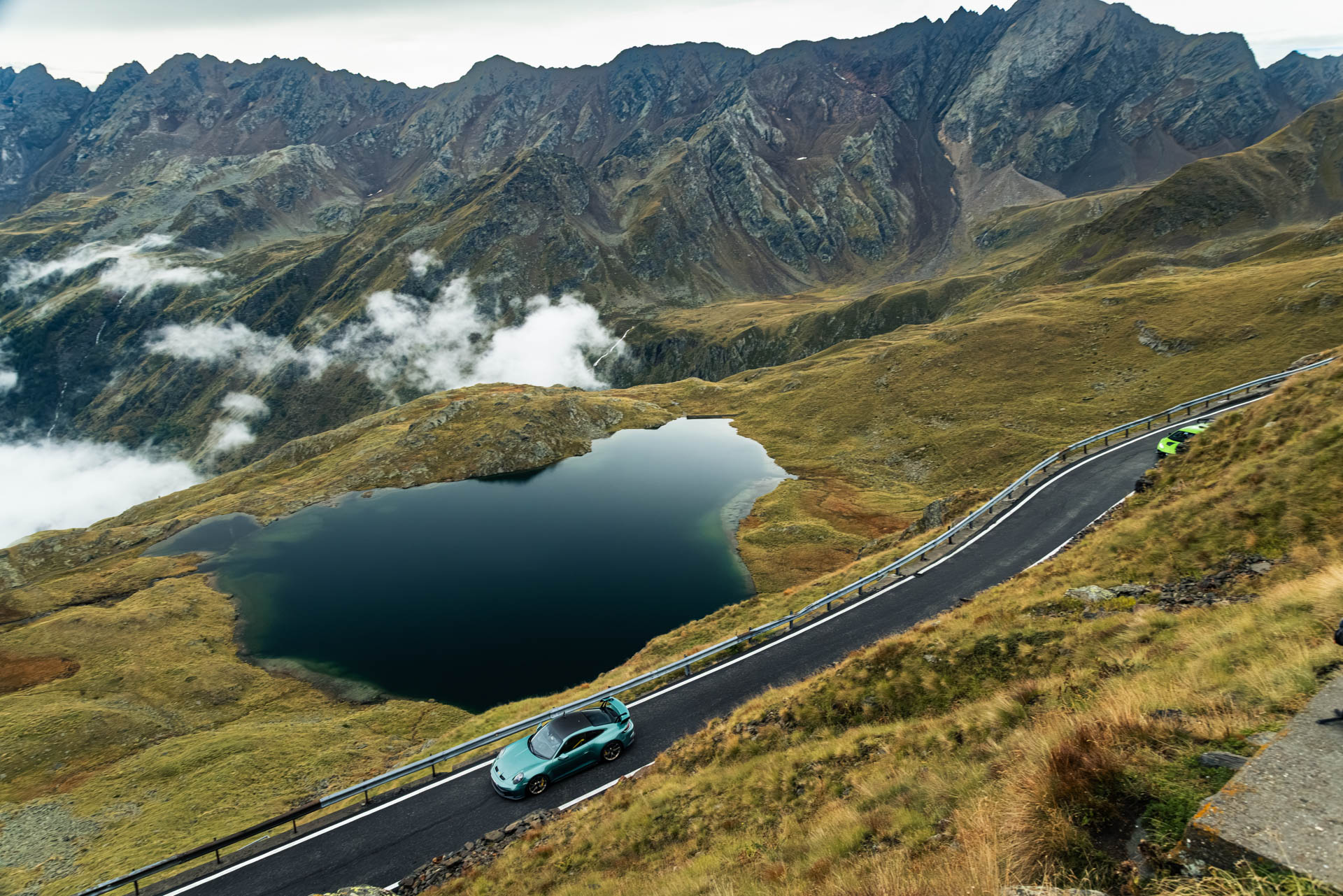
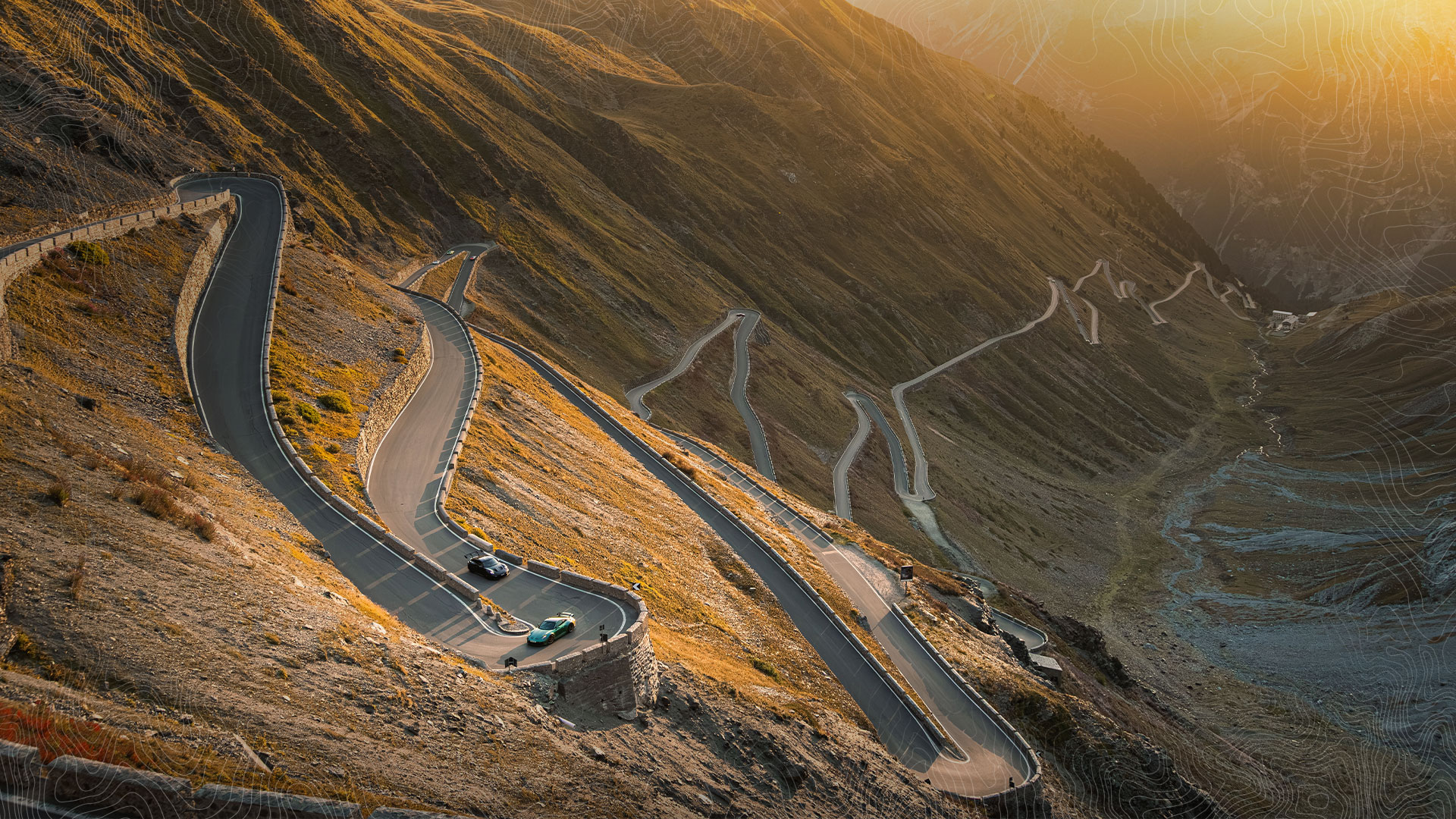
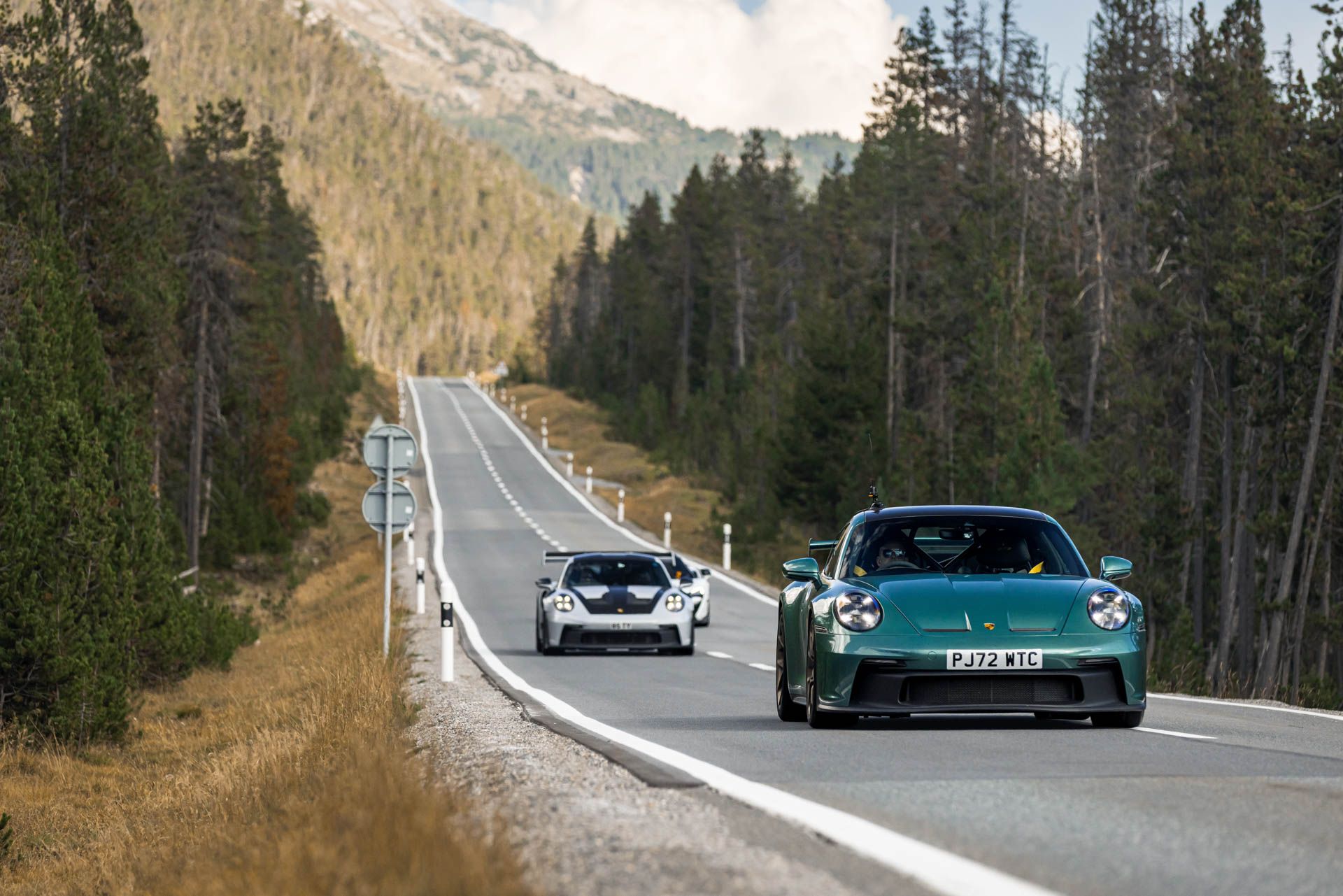
Both tours gave us an early morning run across Stelvio Pass on dry roads. If you’ve never driven Stelvio, imagine somebody dropped a bowl of spaghetti down the side of a mountain and then asked an Italian road engineer to tarmac it.
It’s relentless. Hairpin after hairpin means you’re constantly braking, turning the car, loading the front tyres and then asking the rears for traction as you fire it uphill towards the next corner. There isn’t much time for the tyres to relax, and there certainly isn’t much opportunity for a bad tyre to hide.
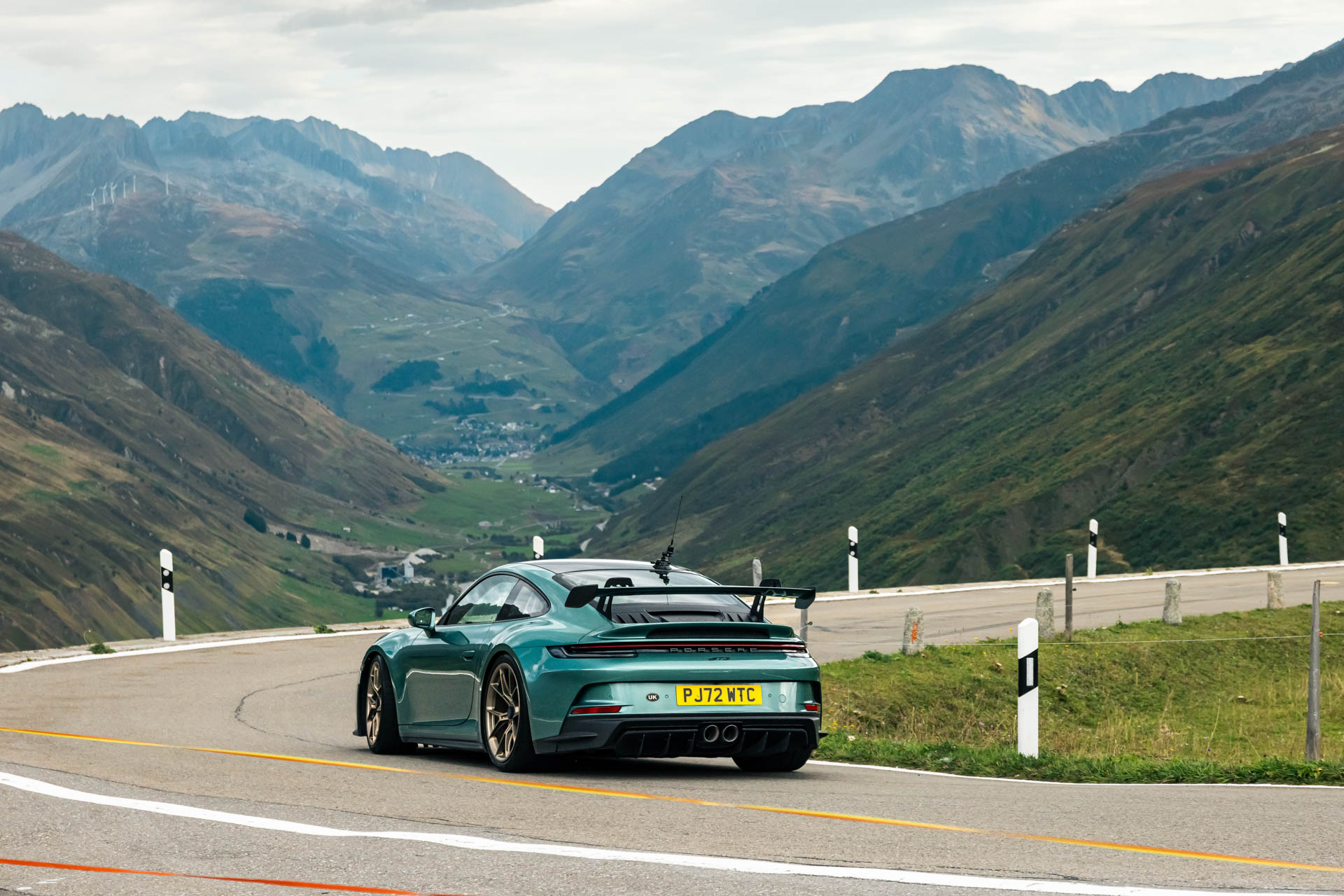
The GT3 was magnificent up there. The thing I love about the P Zero R isn’t simply that it has lots of grip. It’s the way it communicates what is happening as you start using that grip. I could lean hard on the front under braking, turn the car in and get back onto the throttle early without it ever feeling nervous or unpredictable.
There were, naturally, a couple of occasions where the rear stepped out slightly on the exit of a hairpin. I’d love to explain that these were carefully calculated demonstrations of throttle-adjustable oversteer, executed by an experienced driver delicately balancing the car on the edge of adhesion. They weren’t. They were luck. But crucially, they were predictable luck.
The tyre lets you feel what is happening early enough that you can make a small correction, gather everything back together and continue up the mountain pretending the whole thing was deliberate. Which is basically 90% of being a good driver when other people are watching.
What surprised me when I started looking at the independent data afterwards was that I’ve perhaps been unfair to the Pirelli by continuing to assume the Cup 2 must still be slightly better in the dry.
Tyre Reviews tested eight serious performance tyres in 2026, including the P Zero R and Michelin Pilot Sport Cup 2. In that test, the Pirelli didn’t merely get close to the Michelin — it recorded the shortest dry braking distance and the fastest dry handling lap of the entire field. The Cup 2 took 77.5 seconds around the dry handling course; the P Zero R did it in 76.5.
Now, before Pirelli’s marketing department gets too excited, that test used a Golf GTI Clubsport on 235/35 R19 tyres, not a 992 GT3 hammering up Stelvio, so I’m not going to pretend it proves the Pirelli will beat the Michelin in every application. But it does prove something rather inconvenient. When I thought the Pirellis might be giving away that final little bit in the dry, it probably wasn’t the tyres. Bugger.
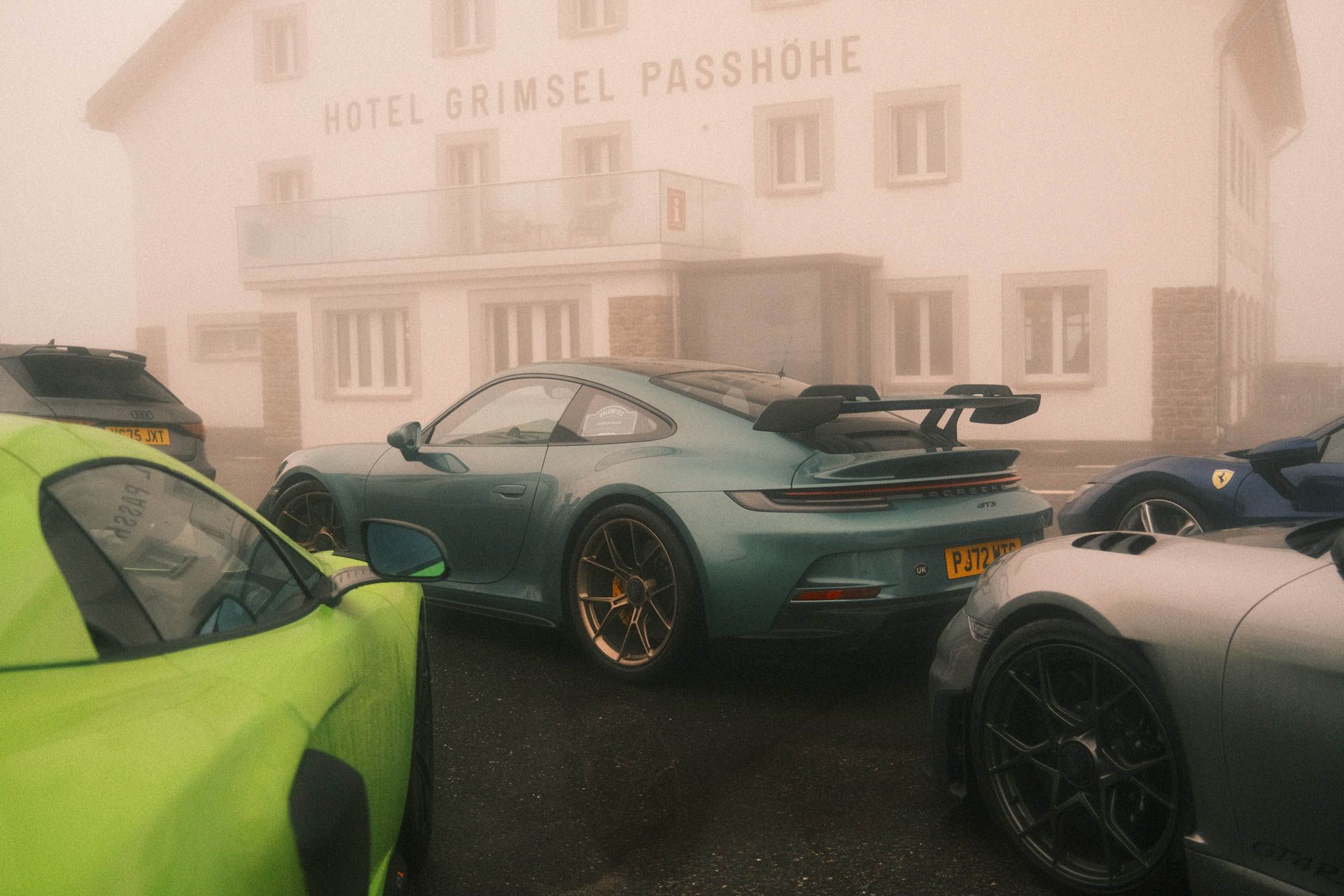
This is where the P Zero R really earned my respect. On one particularly wet day, I had three 992 GT3 RSs behind me, all shod in Michelin Cup 2 boots. Three of them!
Now, I’m very fond of my GT3, but a GT3 RS is an utterly serious bit of kit and seeing three of them stacked up in your mirrors normally encourages you to concentrate rather hard on what you’re doing.
Then it started raining properly. And they began to disappear. Not dramatically, and nobody was racing — that’s important — but it became increasingly obvious that I had more confidence in the available grip. Where they were having to back away from the conditions, my car still felt completely composed.
I could brake hard without triggering that horrible little conversation in your head about whether you’ve perhaps been a touch ambitious. I could carry speed into a corner, feel what the front tyres were doing and, most impressively, get onto the power surprisingly early without the rear of the car suddenly deciding it fancied seeing what was on the other side of the Armco.
That wasn’t bravery. Bravery is often just stupidity with good PR. It was confidence in the tyre. And when I later looked at the independent figures, the wet performance was even more impressive than I’d realised.
In that same Tyre Reviews test, the P Zero R was the fastest tyre around the wet handling course. It completed it in 99.38 seconds. The Cup 2 needed 107.09 seconds — more than seven and a half seconds longer around the same wet course.
Think about what that means for a moment. The tyre that won the dry handling test also won the wet handling test. That isn’t supposed to be how this works.
Sadly, Pirelli hasn’t discovered magic. It has discovered chemistry, which is less interesting at parties but apparently much more useful when making tyres. The P Zero R uses something Pirelli calls Resin Blend Technology. In very simple terms, the compound contains three different resins designed to become effective across different temperature ranges.
That matters because rubber is incredibly temperature sensitive. The characteristics you want when you’re attacking a warm, dry mountain road aren’t necessarily the characteristics you need an hour later when you’ve climbed another thousand metres, the temperature has fallen, and rain is bouncing off the windscreen.
Pirelli’s idea is that instead of designing the compound around one relatively narrow sweet spot, the different resins help extend the window in which the tyre performs. Pirelli says this is intended to provide sporting performance in ideal conditions while retaining driveability and grip as temperatures fall or the road becomes wet.
Then there’s another clever trick. The P Zero R doesn’t use exactly the same compound across the entire tread. Its multi-compound construction allows different parts of the tyre to concentrate on different jobs. Pirelli describes a stiffer central area designed to control wear, combined with a softer compound towards the outside to provide support and grip when you’re loading the tyre through a corner.
The latest specification also uses a dual-layer tread structure, with a dedicated base compound helping to manage heat build-up when the tyre is being worked hard. The contact patch itself has been designed to spread pressure more evenly during braking and cornering, helping the tyre behave progressively rather than suddenly giving up when the loads increase.
In normal-person language, Pirelli has tried to make different bits of the tyre good at different things, rather than asking one piece of rubber to be brilliant at everything. And it works.
This is probably the biggest lesson I’ve taken from running the P Zero Rs on tour. If all I wanted was the fastest possible lap around a dry circuit, I’d fit a track-focused tyre. Pirelli makes one — the Trofeo RS — and even Pirelli openly says that the P Zero R isn’t intended to be its dedicated track tyre.
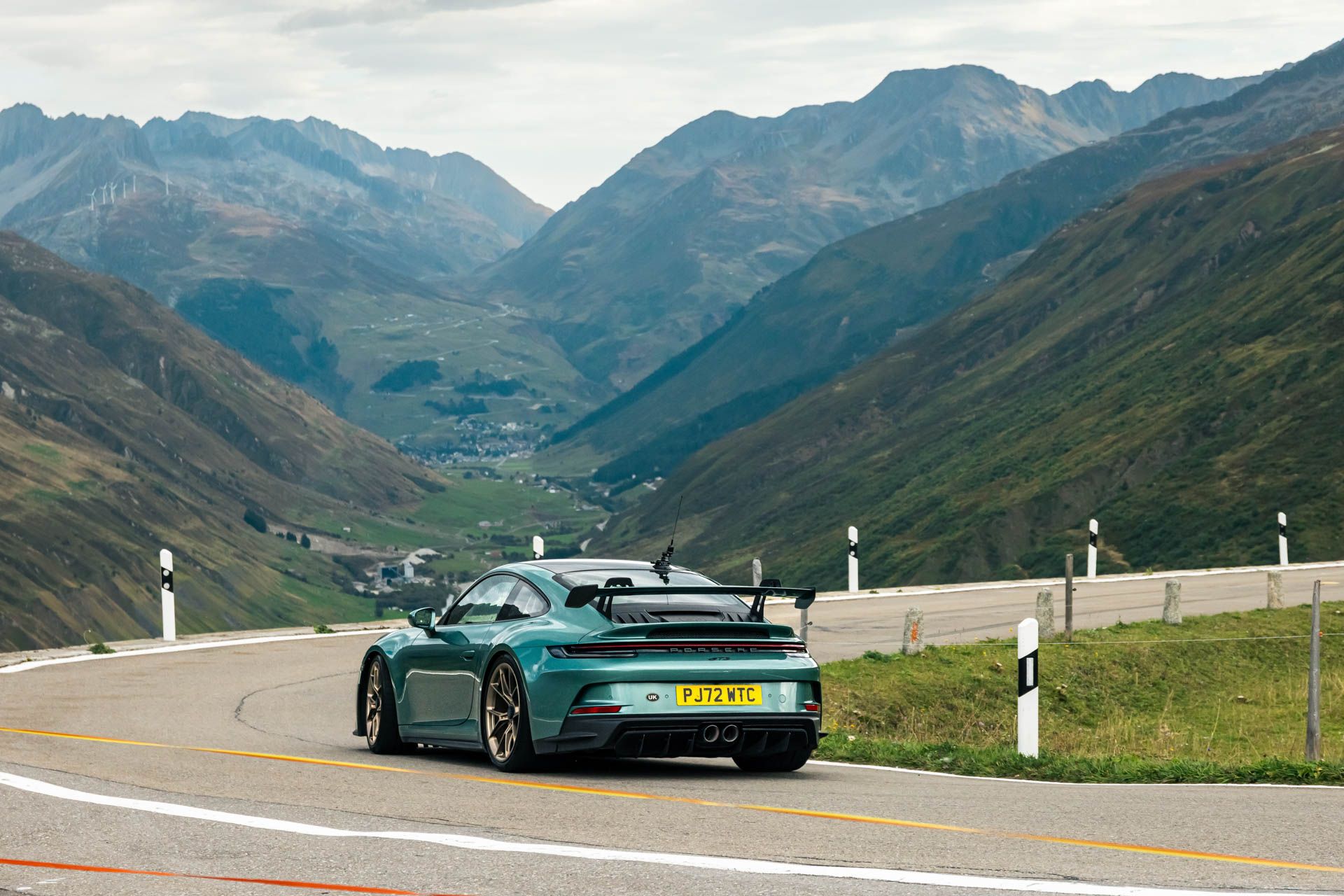
But that’s not how I use my GT3. I want to drive it to the Alps. I want to be able to spend six hours on a motorway, wake up the following morning and attack a mountain pass. I want it to work when the road is 25 degrees and bone dry, and I also want it to work when we’re halfway across the Dolomites and somebody upstairs turns the shower on. A tour exposes all of that within days.
We’ve been using Pirelli tyres across the Supercar Driver fleet throughout the year, but I think touring is where you really understand them. You can leave a hotel on cold tyres, spend the morning pushing through mountain passes, descend into completely different temperatures, drive through torrential rain and then finish the day with another hour on the motorway. You don’t get to choose the conditions. Your tyres just have to deal with them.
After two consecutive Dolomites tours, hundreds of miles and just about every condition I could reasonably have thrown at them, my opinion of the P Zero R hasn’t changed. It’s been confirmed. There may be faster tyres in very specific circumstances. There may be tyres designed for much more focused jobs.
But if you actually use your supercar — properly use it — and you need one set of tyres to cope with whatever happens between your garage at home and the top of an Alpine pass, I’m struggling to think what else I’d want fitted.