Feature
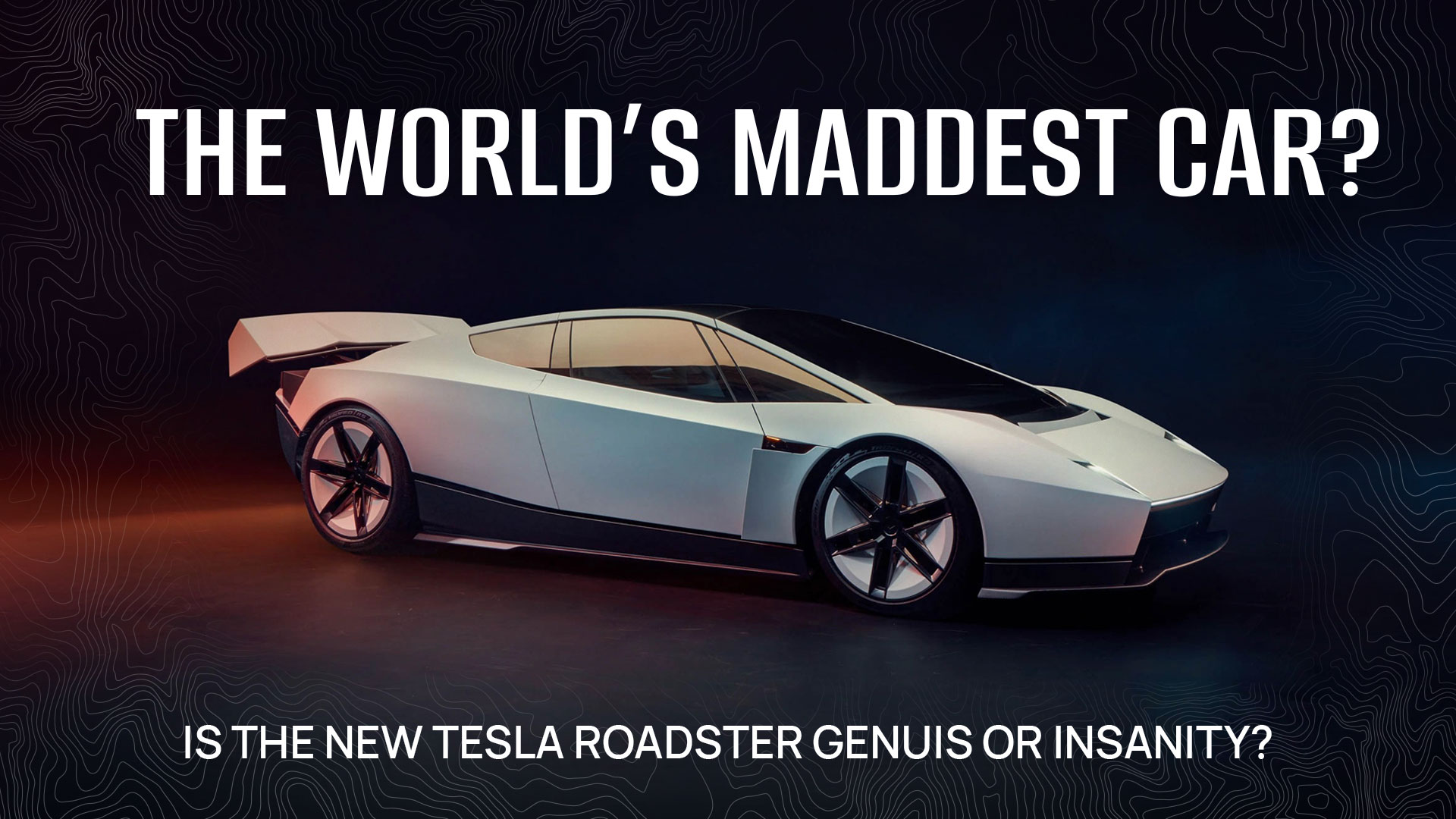
The New Tesla Roadster — Genuis or Insanity?
The Tesla Roadster: Or how Elon Musk spent nine years inventing a car that can do a backflip, drive on the ceiling and make absolutely no sense whatsoever.
October 19, 2026
There are moments in sport that stay with you forever...
Not because of who won, or what trophy was lifted, but because something shifted. Something broke. Something reminded you that beneath the speed, the noise, the glamour — there are human beings, fragile and exposed, dancing on a knife-edge.
For me, that moment came on a warm July afternoon in 2009.
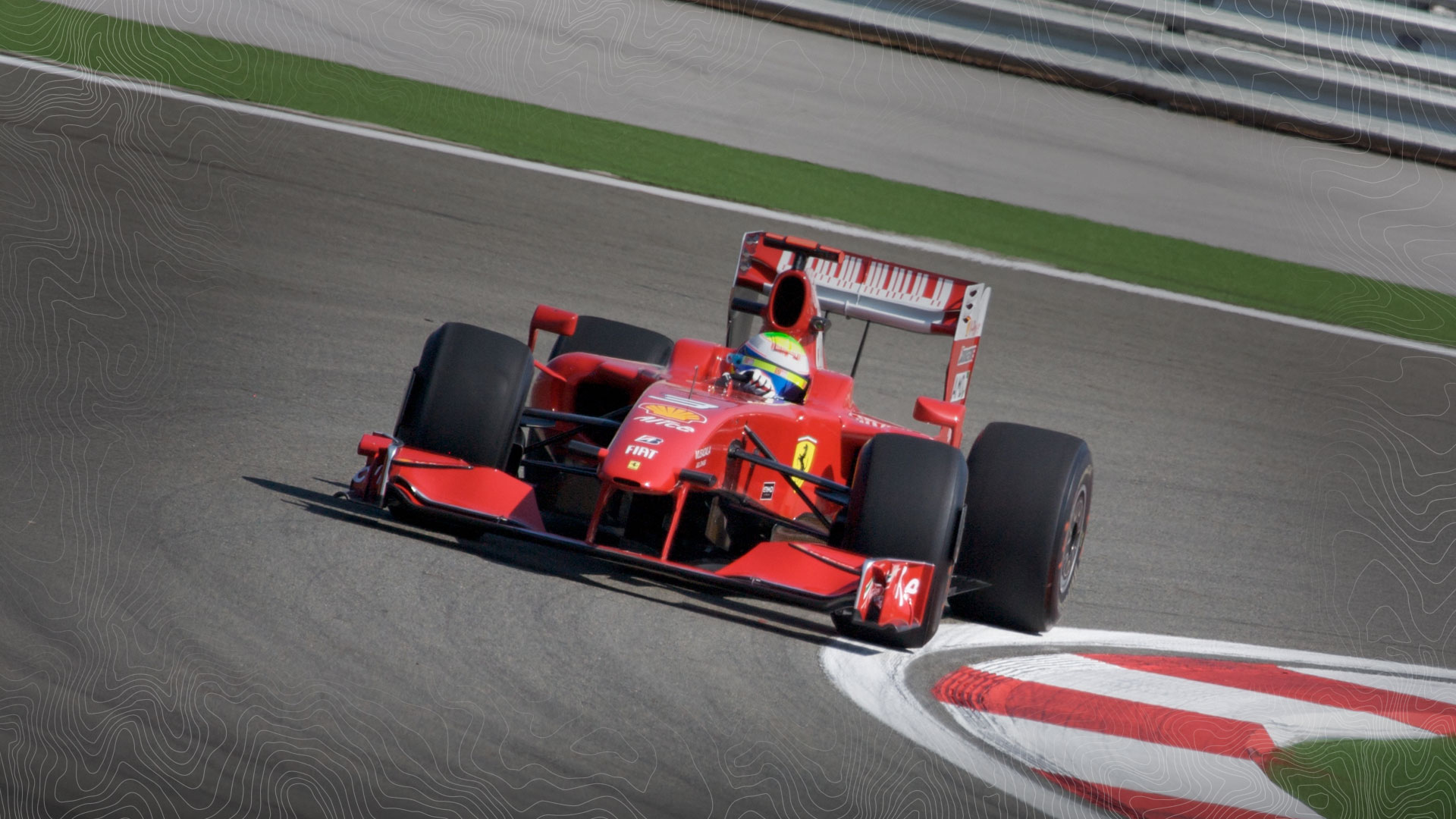
I was, and still am, a fan of Lewis Hamilton. Not casually. Not from a distance. Properly invested. The kind of fan who feels every overtake, every missed apex, every radio message that carries just a hint of tension. And in 2008, there was one man who made that season unforgettable — Felipe Massa.
If you were watching Formula One at the time, you’ll remember it. That title fight wasn’t neat or tidy. It was messy, dramatic, and borderline cruel at times. Hamilton and Massa traded blows all season. Wins, mistakes, penalties, heartbreak. It felt like every race added another layer to something that was already simmering.
And then came Brazil. That final lap. That final corner. Massa crossing the line thinking he’d done it — done enough, at least — only for Hamilton to snatch the championship seconds later. It was brutal. Properly brutal. The sort of sporting moment that leaves one man in tears and another barely able to process what he’s just achieved.
I remember watching Massa on that podium, trying to hold it together in front of his home crowd. Helmet off. Eyes glassy. Smiling, but not really. You could see it — the effort it took just to stand there.
That’s when he stopped being “the rival”. He became something else. Someone you respected. Someone you rooted for, even if your heart was still firmly with Hamilton. Because great rivalries do that. They pull you in, then they make you care about both sides.

By the time we reached the 2009 Hungarian Grand Prix, things had changed.
The dominance of Ferrari and McLaren had slipped. New names were at the front. New stories were unfolding. But Massa was still there — still quick, still determined, still carrying that quiet resilience that had been forged in the fire of 2008.
Hungary is one of those tracks that doesn’t give much away. Tight. Technical. Little room for error. It’s a circuit where rhythm matters, where confidence builds lap by lap. Qualifying had gone well. Massa was on it. Sharp. Focused. The kind of performance that reminds you exactly why he’d been fighting for a world title less than a year earlier. But motorsport has a way of hiding danger in the most ordinary moments.
Nothing about that Saturday afternoon felt different. Cars circulating. Engines screaming. Mechanics watching monitors. Fans settling into that familiar rhythm of anticipation. Until, suddenly, everything changed.
It didn’t look dramatic at first. A small piece of debris. A spring. Barely noticeable unless you knew what you were looking for. It had come loose from the car ahead — Rubens Barrichello — and was bouncing along the circuit at terrifying speed. Massa was approaching at over 160 mph. There was no time to react. No way to avoid it.
The spring struck his helmet with immense force. In an instant, everything went quiet. The Ferrari veered left, no steering input, no correction, just a car suddenly without direction. It drifted across the track and into the tyre barriers. Not a violent crash. Not the kind that makes you gasp immediately.
But something was wrong. Deeply wrong. You could feel it. The car had hit the wall, but there was no movement. No sign of the driver trying to recover. No attempt to rejoin. Just stillness. And that’s when it hits you. This isn’t racing anymore. This is something else.
I remember the broadcast cutting to replays. Slow motion. The spring. The impact. The helmet jolting. And then the car, lifeless, gliding into the barrier. There’s a particular kind of fear that creeps in during moments like that. Not loud. Not panicked. Just heavy. Quiet. Settling in your chest. Because you don’t know. And your mind starts filling in the gaps.

The minutes that followed felt endless. Medical teams rushed to the car. Marshals stood back. Cameras hovered, searching for answers but finding none. The commentators spoke, then stopped, then spoke again, each sentence carefully measured. You could sense it in their voices. They were worried. And so was everyone watching.
As a Hamilton fan, you’d think your attention would always be drawn to his side of the garage. But in that moment, none of that mattered. The rivalry, the competition, the points, the championships — all of it faded into the background.
All you could think was: please be okay. Because the truth is, once you’ve watched a season like 2008, once you’ve seen two drivers push each other to the absolute limit, you form a connection. Not personal, but emotional. You understand what they’ve put on the line. And seeing one of them like that… it doesn’t sit right.
Eventually, the news started to filter through. Massa was unconscious. He’d suffered a serious head injury. He was taken to hospital immediately. And suddenly, the scale of it became real. This wasn’t just an incident. This was life-altering.
We often talk about Formula 1 drivers as if they’re something more than human. Braver. Faster. Sharper. And in many ways, they are. But moments like this strip all of that away. You’re left with a man in a car, struck by a piece of metal that had no right being there, at a speed that left no margin for survival.
The helmet had done its job — to a point. It had absorbed the impact. It had prevented something even worse. But it hadn’t been enough to stop the injury.
Massa suffered a fractured skull. He underwent emergency surgery. For a while, there was real uncertainty about his future — not just in racing, but in life. And that’s when the wider world started to react.
Drivers spoke out. Teams rallied. Fans, regardless of allegiance, came together in a way that only sport can bring people together. Hamilton himself expressed his concern, his respect, his hope for recovery. Because rivalries don’t erase humanity. They amplify it.

Recovery wasn’t quick. It wasn’t easy. But it was remarkable.
Massa returned to Formula 1 in 2010. Not just as a participant, but as a competitor. A man who had faced something that could have ended everything, and chose to come back anyway.
That takes something special. Not just physical strength, but mental resilience. The ability to sit back in that cockpit, strap yourself in, and trust it again. Trust the car. Trust the system. Trust that what happened won’t happen again.
Most people couldn’t do that. Most people wouldn’t even try. But he did. And every time he pulled that helmet on after the accident, it meant something. Not just to him. To all of us watching.
The incident didn’t just leave an emotional mark. It forced Formula 1 to confront a difficult truth. Open cockpits, while iconic, left drivers exposed. And while the sport had made huge strides in safety over the years, there were still gaps.
Massa’s accident wasn’t the only factor, but it became one of the defining moments that pushed Formula 1 towards a solution.
That solution became the halo. A device that, when first introduced, was met with resistance. It didn’t look right. It changed the silhouette of the cars. Fans debated it endlessly. But safety doesn’t exist to please the eye. It exists to save lives.
Since its introduction in 2018, the halo has already proven its worth. Protecting drivers in incidents that, years ago, could have had very different outcomes.
And that’s the thing about Formula 1. It evolves. It takes the worst moments and turns them into progress. It refuses to ignore what’s happened. It studies it, learns from it, and builds something better. Not just for itself, but for motorsport as a whole. Because what starts in Formula 1 doesn’t stay there. It filters down. To other series. To track days. To road safety. To technologies that quietly make the world a safer place.

When I think back to that day in Hungary, I don’t just remember the fear. I remember the shift. I remember realising that this sport I love isn’t just about speed and competition. It’s about people. About resilience. About learning from the worst moments and refusing to let them define the future.
I still support Hamilton. That hasn’t changed. But I also carry a deep respect for Massa. For what he went through. For how he came back. For what his accident ultimately helped change. Because without moments like that — as painful as they are — progress doesn’t happen. And Formula 1, for all its danger, has become one of the safest forms of motorsport in the world. Not by accident. But by design. By effort. By refusing to accept that “that’s just how it is”.
So when you see a modern Formula 1 car, halo in place, driver protected in ways that didn’t exist before, you’re not just looking at engineering. You’re looking at a legacy. A reminder that even in the fastest, most dangerous sport on earth, there is a constant drive to protect the people at its heart. And that, more than any rivalry, any championship, or any last-lap overtake, is something worth being proud of.