Feature
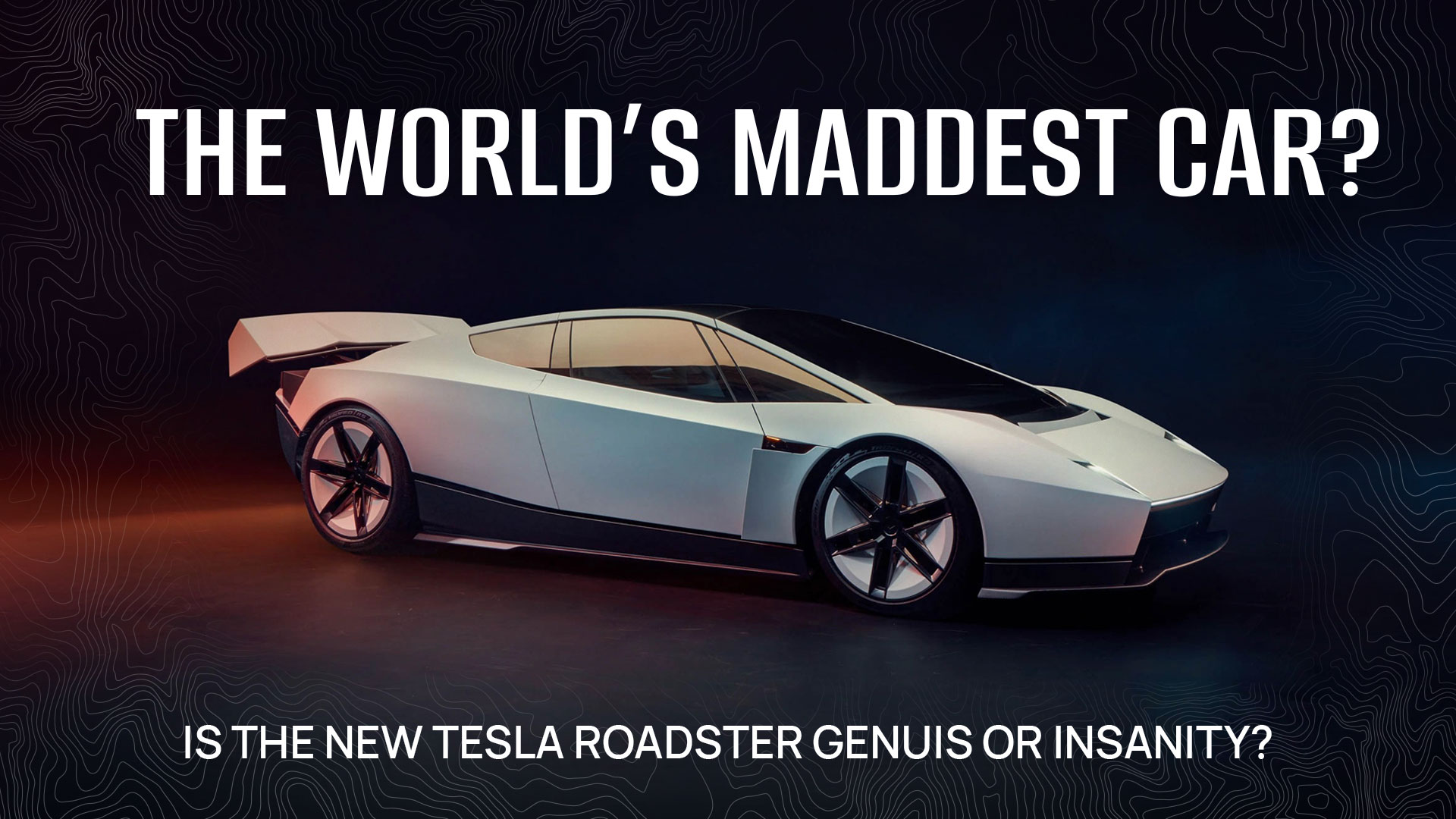
The New Tesla Roadster — Genuis or Insanity?
The Tesla Roadster: Or how Elon Musk spent nine years inventing a car that can do a backflip, drive on the ceiling and make absolutely no sense whatsoever.
October 19, 2026
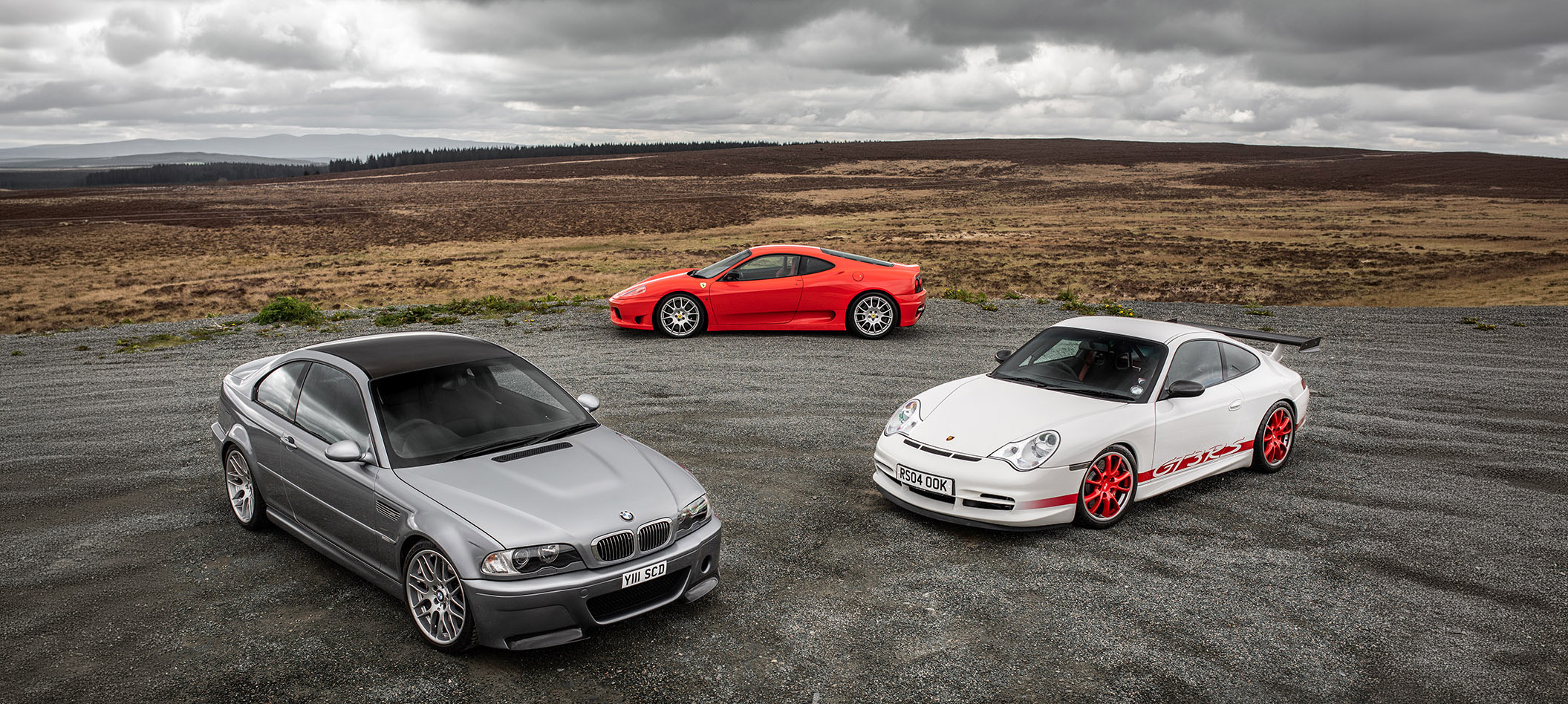
Is the latest and greatest really what enthusiasts want?
There’s a particular kind of magic in the phrase ‘modern classic’. For enthusiasts, it conjures up memories of bedroom wall posters, Sunday morning blasts across B-roads, and an era when driving still required, and rewarded, genuine skill.
Cars from the late ’80s through to the early 2000s are in a sweet spot for many. Old enough to be analogue, new enough to be usable, fast enough to still feel properly quick, and, crucially, built before the digital era diluted the driving experience.
Before configurable drive modes, adaptive dampers and torque-vectoring algorithms, there was a steering wheel, three pedals and your right foot.
Cars delivered feedback in its purest form and there was good reason for this.
Hydraulic steering that actually talked to you.
Naturally aspirated engines that built power progressively.
Manual gearboxes with mechanical precision.
Chassis balance you could adjust on the throttle.
There were no layers of digital insulation to save you. If you overcooked a damp roundabout or approached a corner with a bit too much haste, it was your inputs that decided the outcome, not a suite of stability systems quietly tidying things up for you.

On a twisty B-road that is tight, undulating, cambered and often less than pristine, that mechanical dialogue is everything. A modern hot hatch might be objectively quicker point-to-point than most supercars from 20 years ago, but it rarely feels anywhere near as ‘alive’.
Today’s performance cars are undoubtedly astonishing, but they’re also heavier, more complex, and increasingly synthesised. They have become easy to drive and for that reason have become devoid of what makes driving enjoyable.
They have engine noise piped through speakers, steering that is artificially weighted, turbocharged or hybrid assisted torque managed by computers. And all of this happening all at once.
Modern classics sit right before that tipping point. They didn’t flatter you; they involved you.
You worked to achieve the performance you were told it could deliver. Managed oversteer. Timed a perfect heel-and-toe downshift. Kept engine revs in the right range. Felt the weight transfer through the seat. It gave every drive engagement.
There was a purity there that modern engineering brilliance has, ironically, engineered out.
For many enthusiasts now in their 30s, 40s, 50s or perhaps beyond, modern classics weren’t just cars, they were aspirations.
The Lamborghini Diablo.
The Jaguar XJ220.
The Ferrari F355.
The Honda NSX.
These were the bedroom wall heroes, the Gran Turismo legends, the Autocar and EVO magazine cover stars.
Owning one today isn’t just about performance stats, it’s about fulfilling a promise you made to your younger self. That emotional connection is powerful, and modern classics deliver it in a way new cars, however fast, simply can’t replicate.

You could see the work that the designer put into it, the silhouettes were instant recognisable and each model was never mistaken for another. Spotting one in the high street or on the open road was a rare and unforgettable experience.
Modern classics also represent the final chapter of a certain engineering philosophy that simply no longer exists.
Power outputs relative to the weight and performance of the car.
Minimal driver aids.
Engines developed without emissions strangling every ounce of character.
Bodywork shaped more by aesthetics and aero than pedestrian-impact legislation.
Even relatively accessible cars, think Renault Clio V6, Peugeot 205 GTI or BMW M3, feel fundamentally different from today’s equivalents.
There’s less isolation. Less weight. Less digital mediation.
More you.
To get the most out of a car took talent, skill and effort, not just pointing it in the right direction and letting the car do the rest. Getting a combination of corners and gear changes just right felt like an achievement.
But rather than just being iconic cars from when you were a teenager, there is a difference with a Modern Classic that traditional collectors simply never had the advantage of. Unlike traditional classics, most modern classics start reliably, can cruise at motorway speeds without drama, have heating that works and still fit in a standard parking space.
They’re practical enough to drive regularly yet many are increasingly viewed as solid investments.
Values for analogue icons have climbed sharply in recent years, particularly for clean, original UK cars with strong provenance. As electrification accelerates, demand for petrol-powered, manual performance cars is only likely to grow.

A passion for driving has always been about more than outright speed. It’s about feel. Balance. Character. The art of making modest power thrilling on narrow roads. Modern classics embody that ethos perfectly.
They were built in an era where manufacturers were chasing driver engagement as much as lap times. Where lightweight mattered. Where steering feel was discussed in engineering meetings.
But perhaps most importantly, they represent the last generation of cars we fell in love with through the thrill of driving, before the world changed.
Modern classics are old enough to be special.
New enough to be usable.
Raw enough to be engaging.
Iconic enough to matter.
For the UK enthusiast, they aren’t just cars.
They’re time machines harking back to when driving was a skill, not a setting.