Feature
Why Specialist Finance Matters In A Market Driven By Passion
September 1, 2026
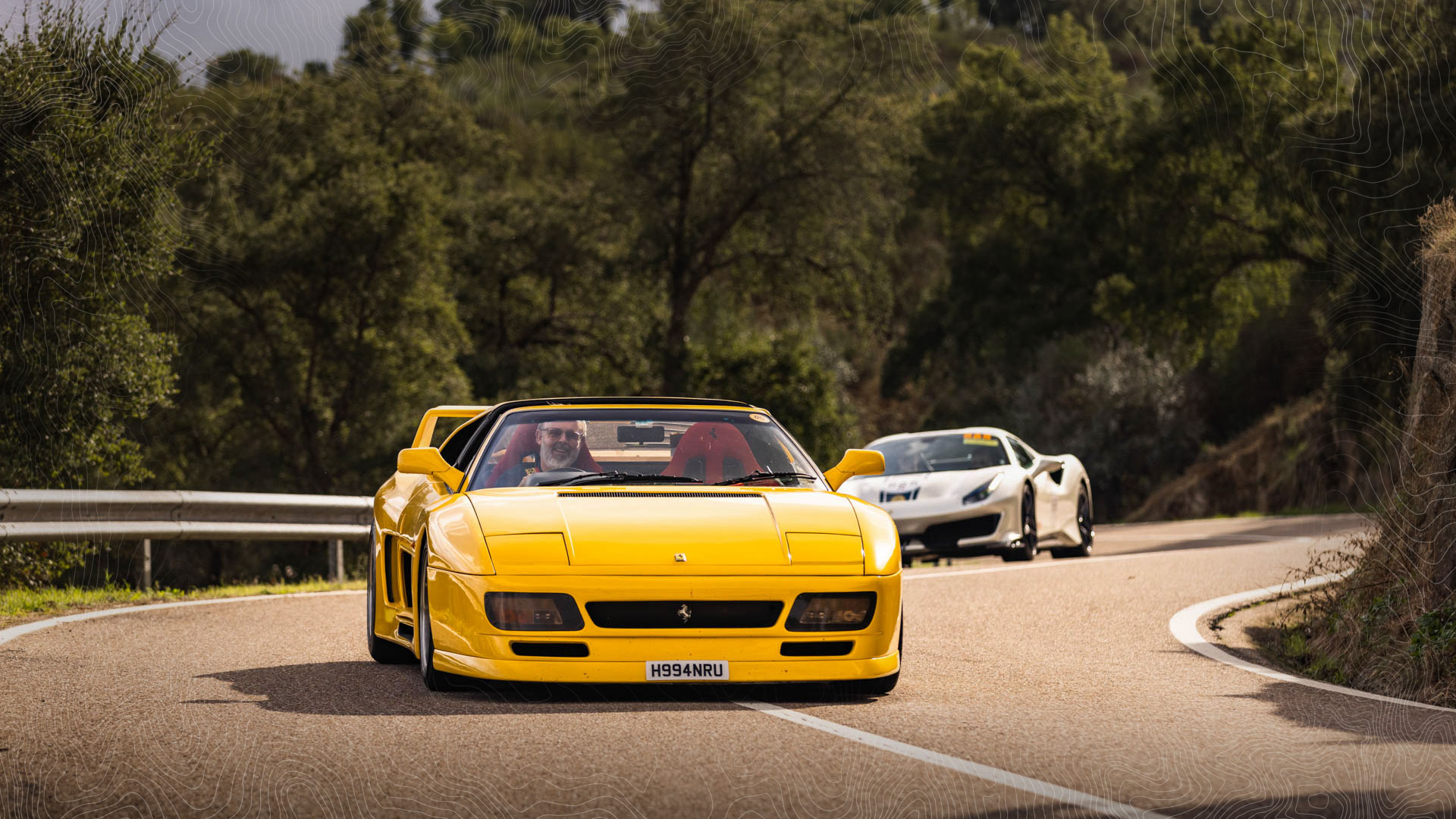
He raced Ferraris, found their limits, then set about rewriting them. Meet Willy König, the man behind some of the wildest cars ever built.
Before anyone widened a Ferrari, bolted a turbo the size of a suitcase to a V12, or upset half of northern Italy, there was a German boy growing up with far too much money and nowhere sensible to put his curiosity.
His name was Willy König (pronounced “ker-nikh”).
He was born into wealth, but not the sort that throws itself around. This was old, quiet, orderly German money. The kind that expects its children to behave. To be educated. To be calm. To grow up into something respectable that wears a jacket without being asked.
Willy was having none of it. From early on, he was fascinated by machines. Not in the polite way, where you admire them from a distance. He wanted to know what happened when they were pushed. When they were stressed. When the margin of safety ran out, and something had to give. He was less interested in how things worked and more interested in when they stopped working. This is usually the first warning sign.
Cars arrived early in his life and immediately became the centre of gravity. They were not transport. They were puzzles. Challenges. He did not just drive them. He listened to them. Felt them. Noticed the way they changed when driven hard, and then harder again.
Ferrari, inevitably, captured his imagination. They were exotic, dramatic, fast, and unapologetically emotional. They were also, crucially, imperfect. That realisation would shape everything.
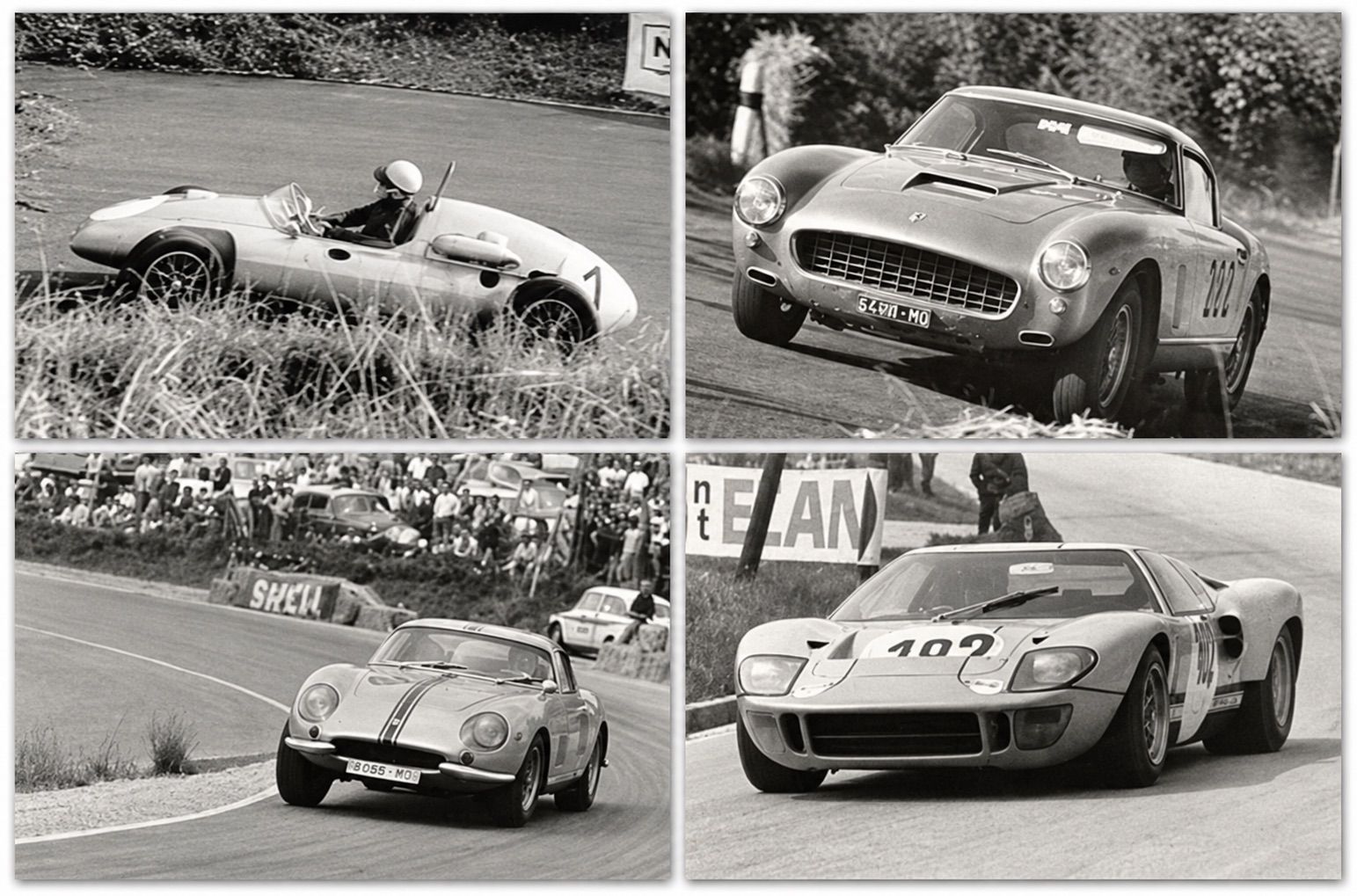
As a young man, Willy began racing. This did not sit well at home. His family, and particularly his mother, preferred the idea of their son remaining alive. Racing cars, especially Italian ones with a habit of biting back, did not align with that plan.
So Willy did something wonderfully revealing. He changed his name. When he went racing, he did not race as Willy König. That name stayed safely at home. On entry lists and timing sheets, a different person appeared. A man called Robert Frank. A name so safe, so dull, so perfectly unthreatening that it sounded like it came with a pension.
Robert Frank raced Ferraris. Behind that name, Willy drove hard. Harder than most. And because he was not just brave but deeply observant, he noticed things other drivers did not. He noticed how the brakes held up brilliantly for a few laps and then quietly gave up. How the handling felt fine until you really leaned on it. How the car seemed to reach a point where it was politely asking you not to push any further.
Willy pushed anyway. This put him on a collision course with Ferrari itself. Because Ferrari, at the time, did not exist to be questioned. Ferrari existed to be admired. And at the centre of that belief sat Enzo Ferrari, a man who built racing cars the way other people build cathedrals. Enzo Ferrari did not enjoy customers telling him how to improve his work.
Willy did not shout. He did not complain. He simply noticed things, fixed them where he could, and quietly wondered why Ferrari had not done so themselves. This did not endear him to Maranello. The relationship cooled. Then chilled. Then became something brittle.
Ferrari saw their cars as finished expressions of genius. Willy saw them as extraordinary foundations with room to grow. This difference in thinking matters. Because Willy was not motivated by rebellion. He did not want to tear Ferrari down. He adored the cars. He just believed they could go further. Be stronger. Be faster. Be pushed beyond the limits Ferrari themselves were comfortable with.
At some point, a thought formed that would change his life. If Ferrari would not build the car he wanted, he would. And so, in Germany, a country famously uninterested in romance but deeply committed to results, Willy founded Koenig Specials GmbH. The name alone tells you a lot. Not “performance”. Not “engineering”. Specials. Singular things. Outliers. Cars that did not fit neatly into anyone else’s plan.
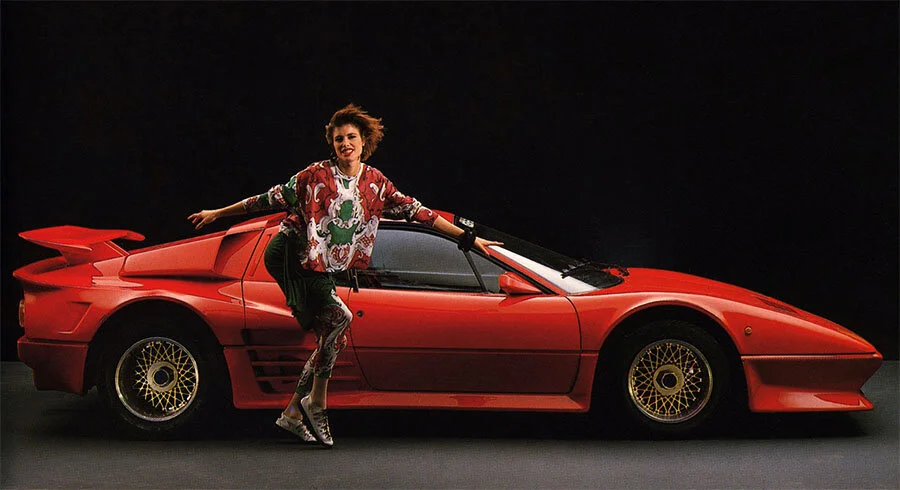
In the beginning, Koenig Specials was not about drama. It was about solutions. Ferraris that overheated when driven hard were given better cooling. Brakes that faded were upgraded. Suspension was stiffened, strengthened, made more honest. These were not cosmetic changes. They were functional, almost pragmatic improvements. Koenig cars were built to survive being driven like Willy drove.
Then Willy did something that even now sounds like a bad idea shouted over drinks. He turbocharged a Ferrari V12.
At the time, this was borderline lunacy. Ferrari themselves avoided turbocharging their road cars. The engines ran hot enough as it was. Add forced induction, and you introduced heat, pressure, stress, and the very real possibility of turning something beautiful into expensive debris. Willy did it anyway.
The turbos were not dainty units designed for road use. They were serious pieces of equipment sourced from suppliers who cared more about moving air than being polite. Installing them meant rethinking the entire engine. Compression ratios changed. Internals strengthened. Oil flow redesigned. Cooling systems expanded until they began to resemble public utilities.
When it worked, the results were astonishing. Ferraris that had once been fast became absurd. Acceleration arrived in two acts. A brief pause. Then everything. Boost hit like a decision you could not take back. Rear tyres were asked to perform miracles. Drivers discovered new facial expressions.
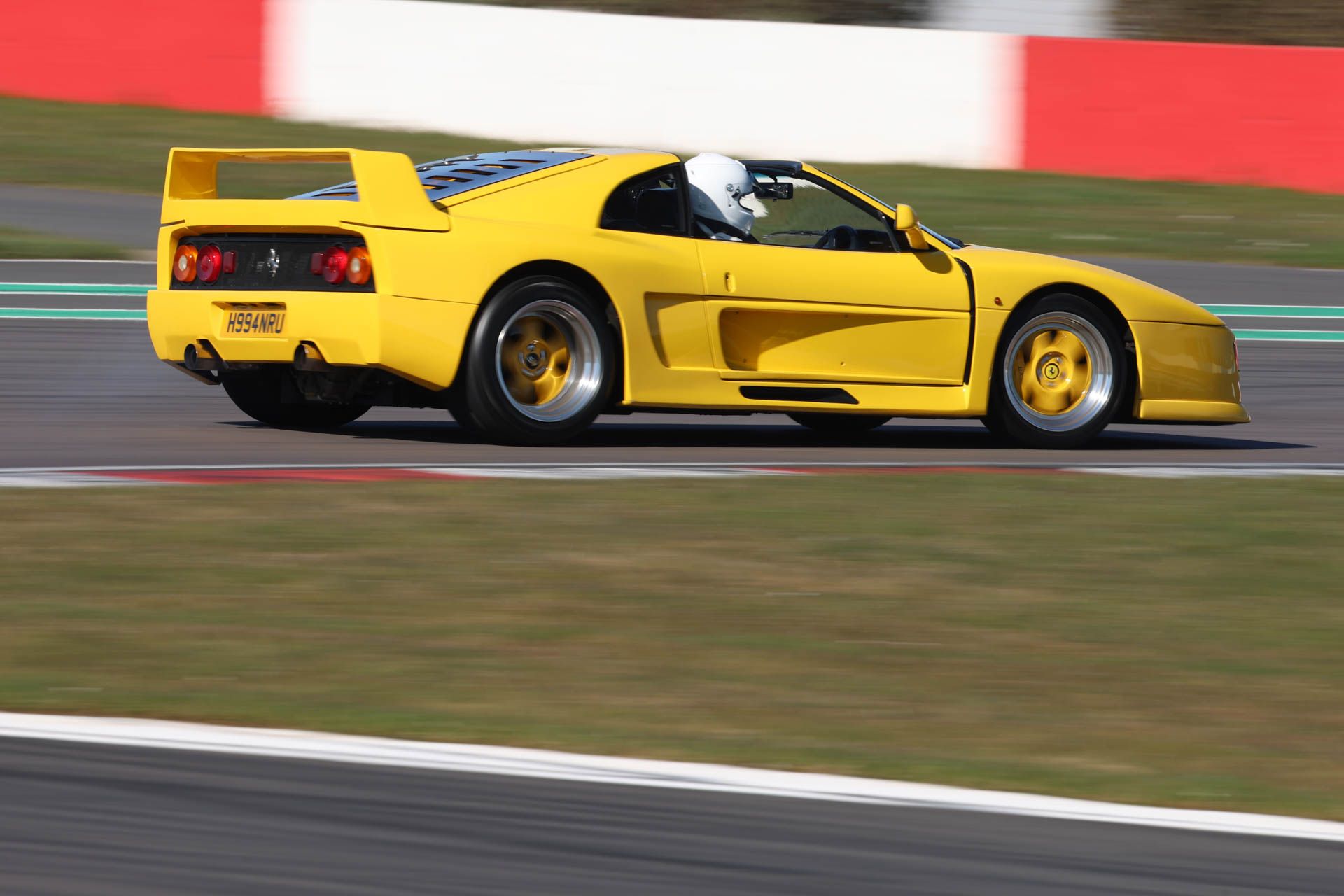
These cars were not gentle. They did not flatter. They demanded attention and respect. They were thrilling, intimidating, and utterly unlike anything Ferrari sold themselves.
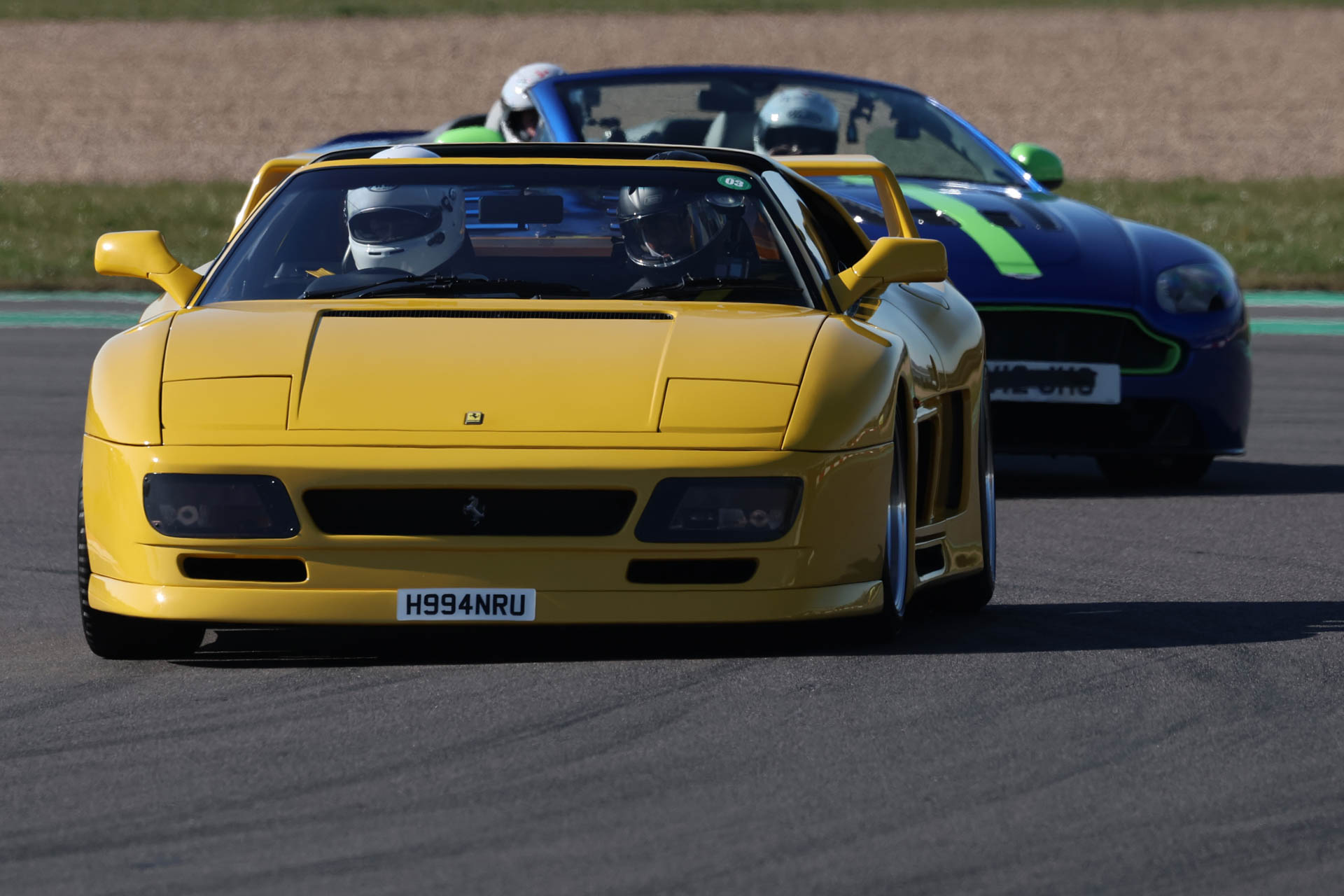
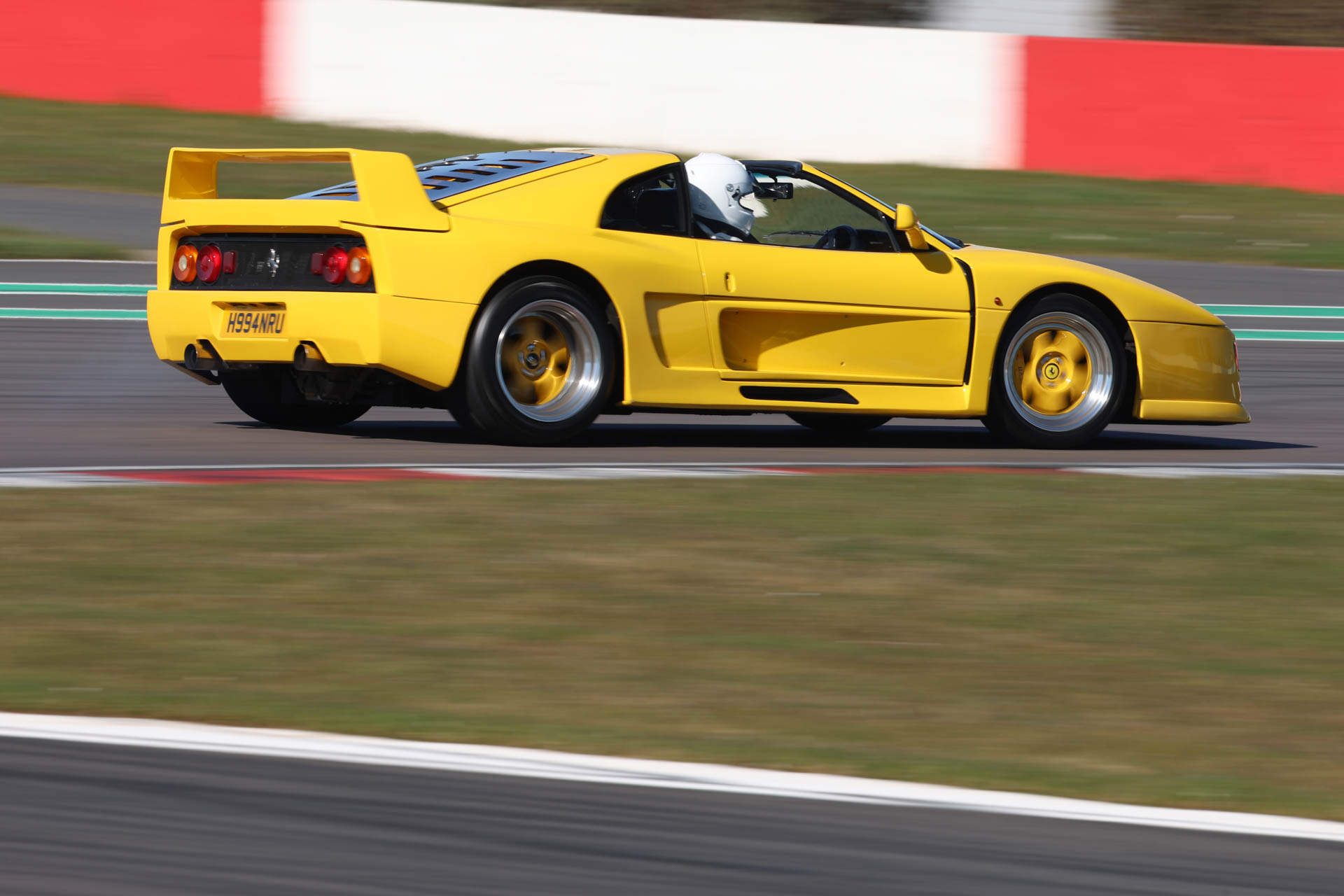
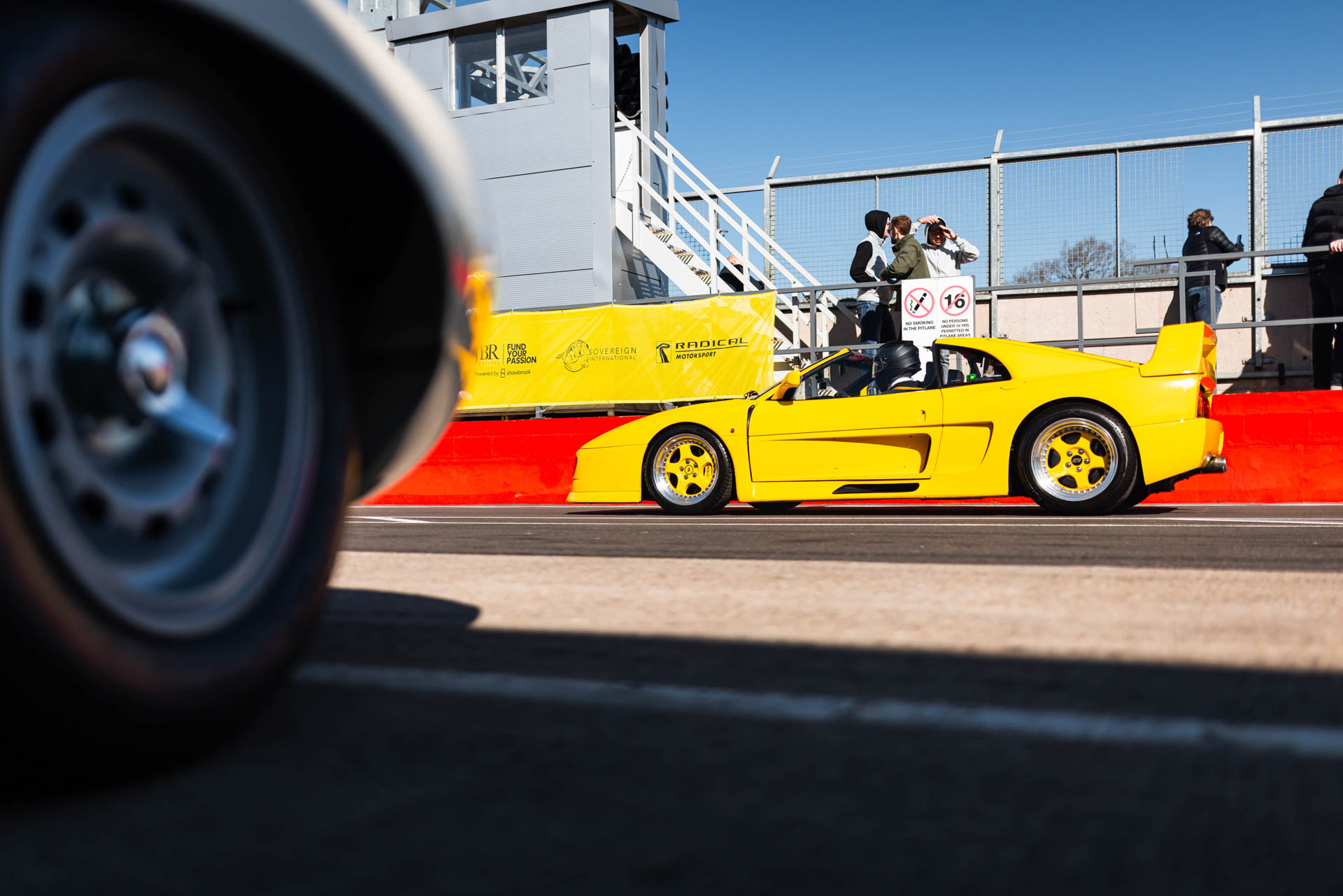
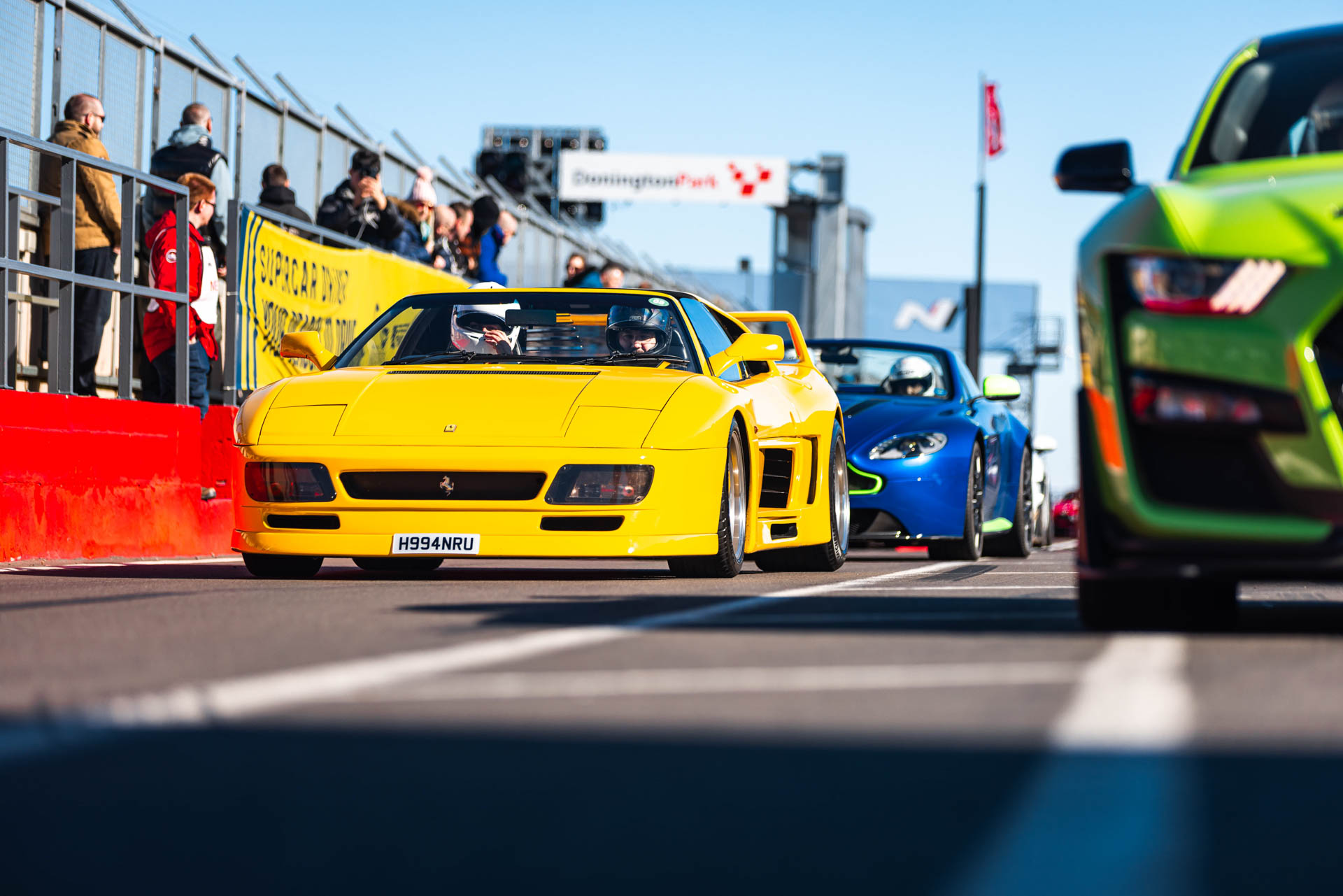
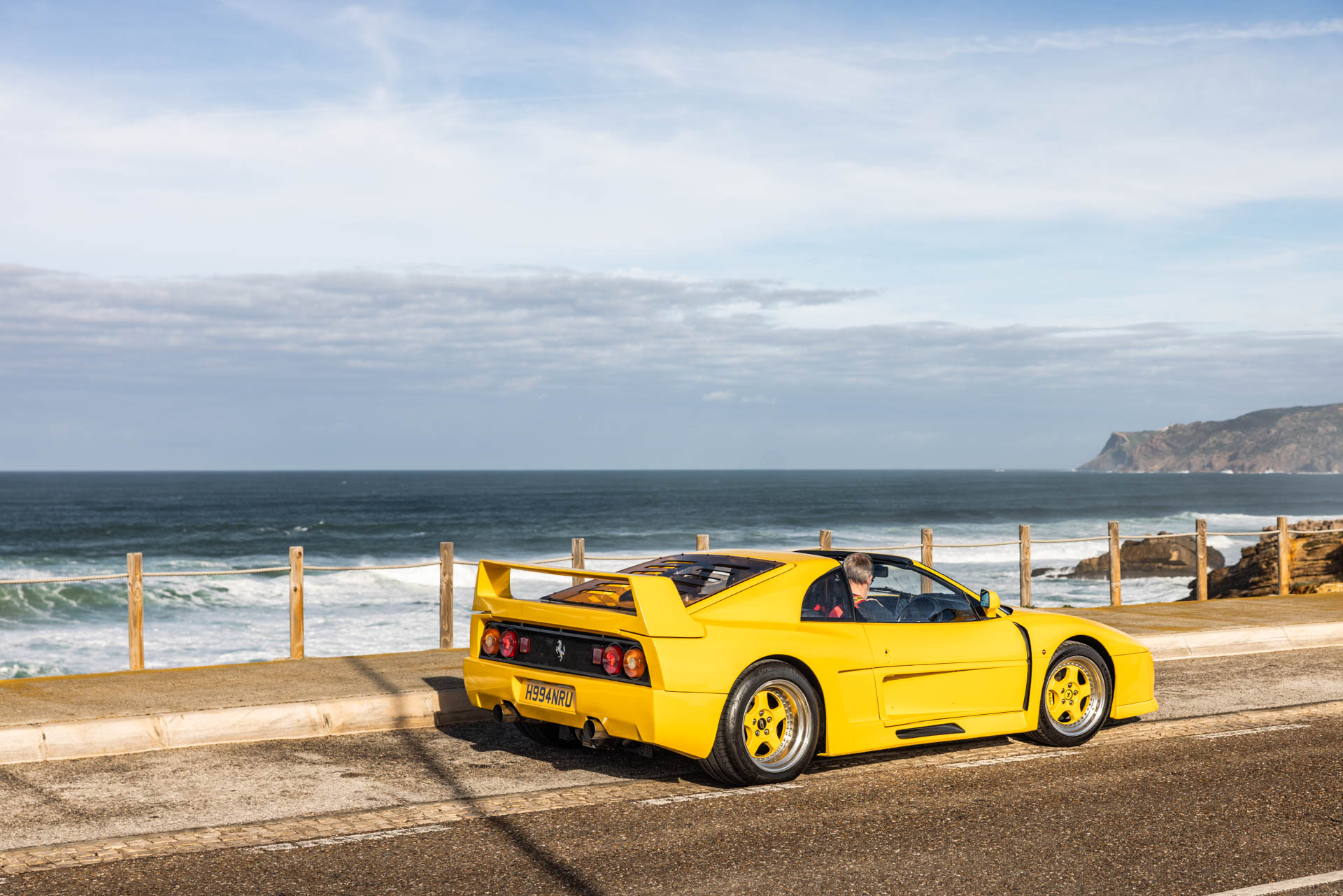
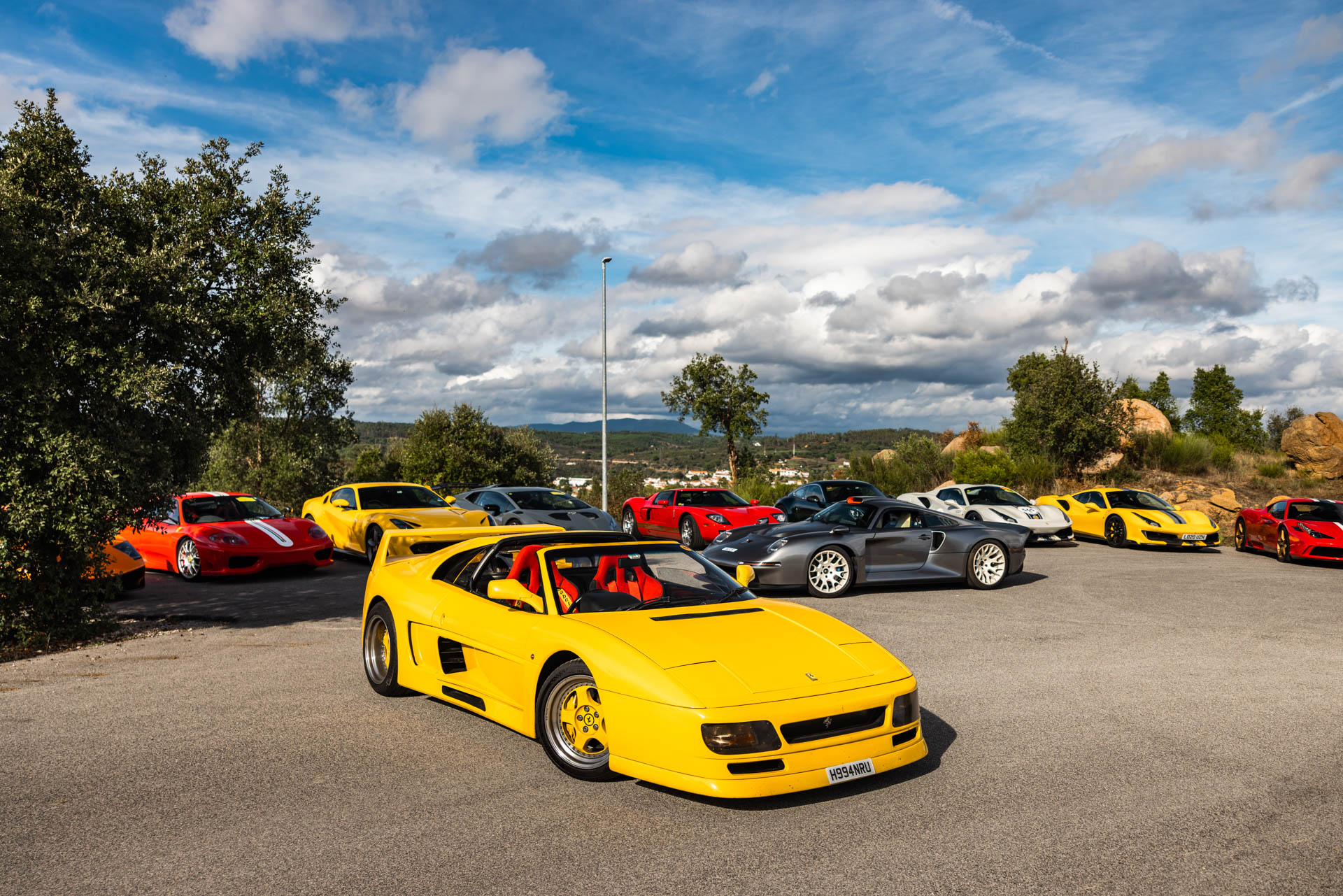
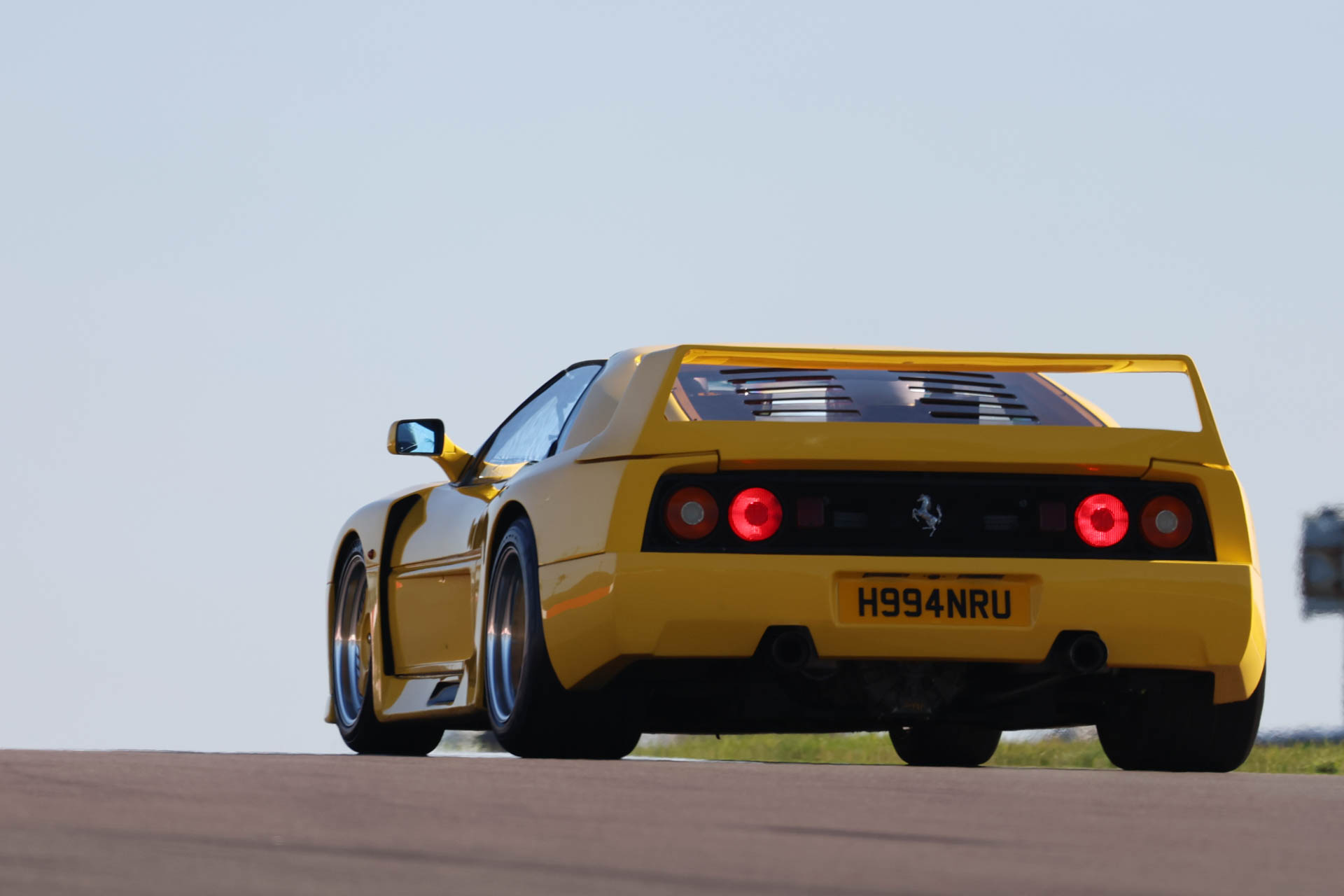
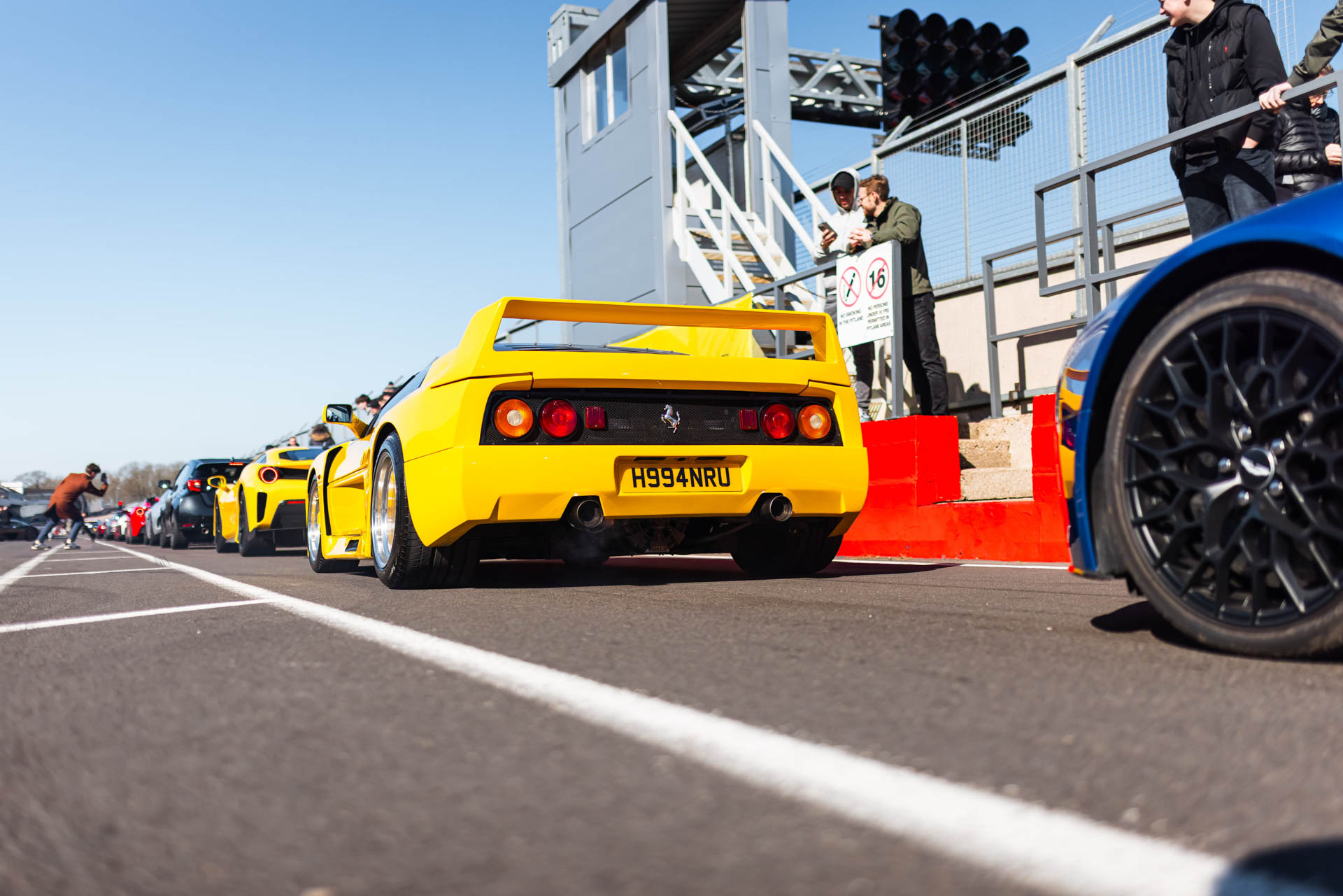
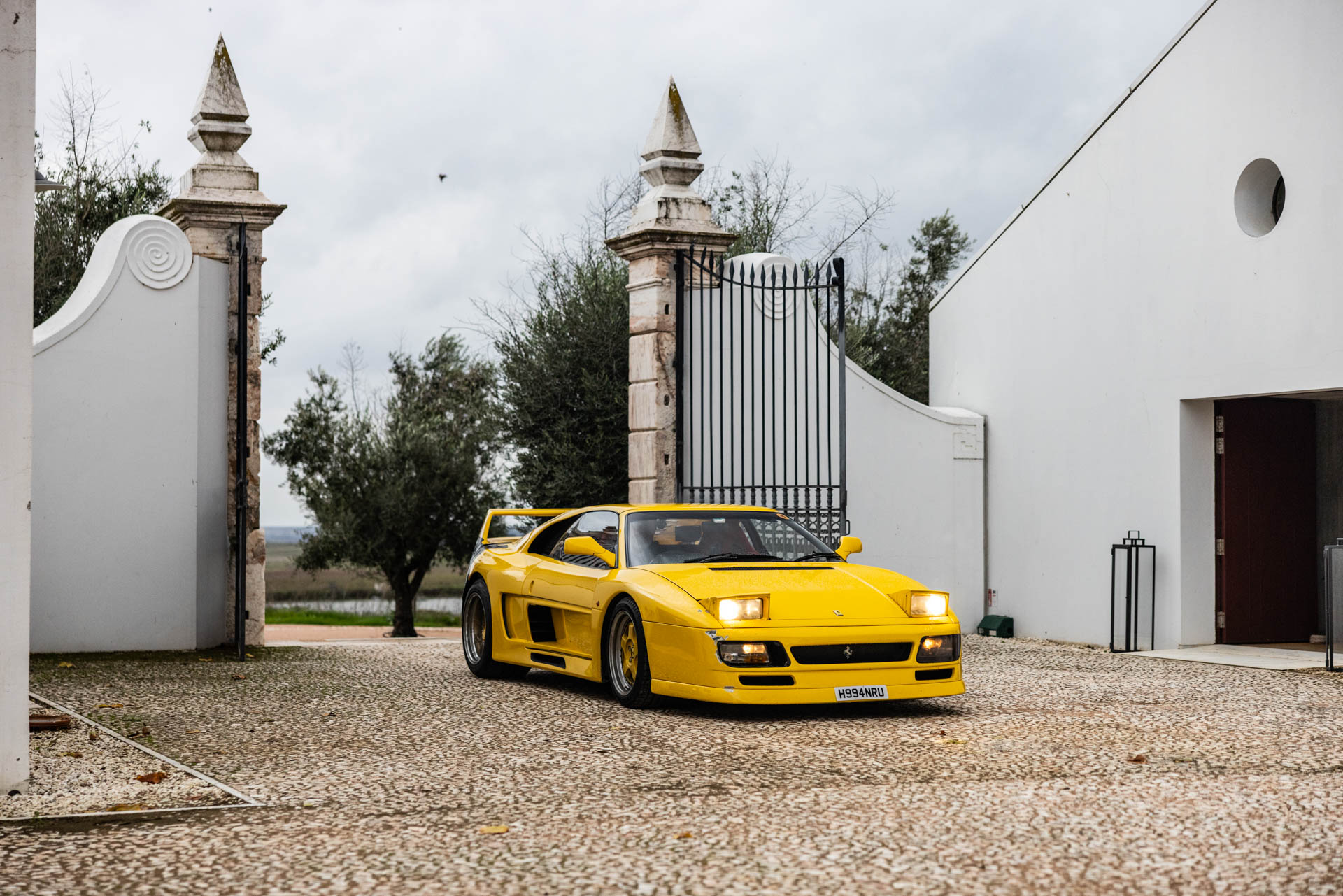
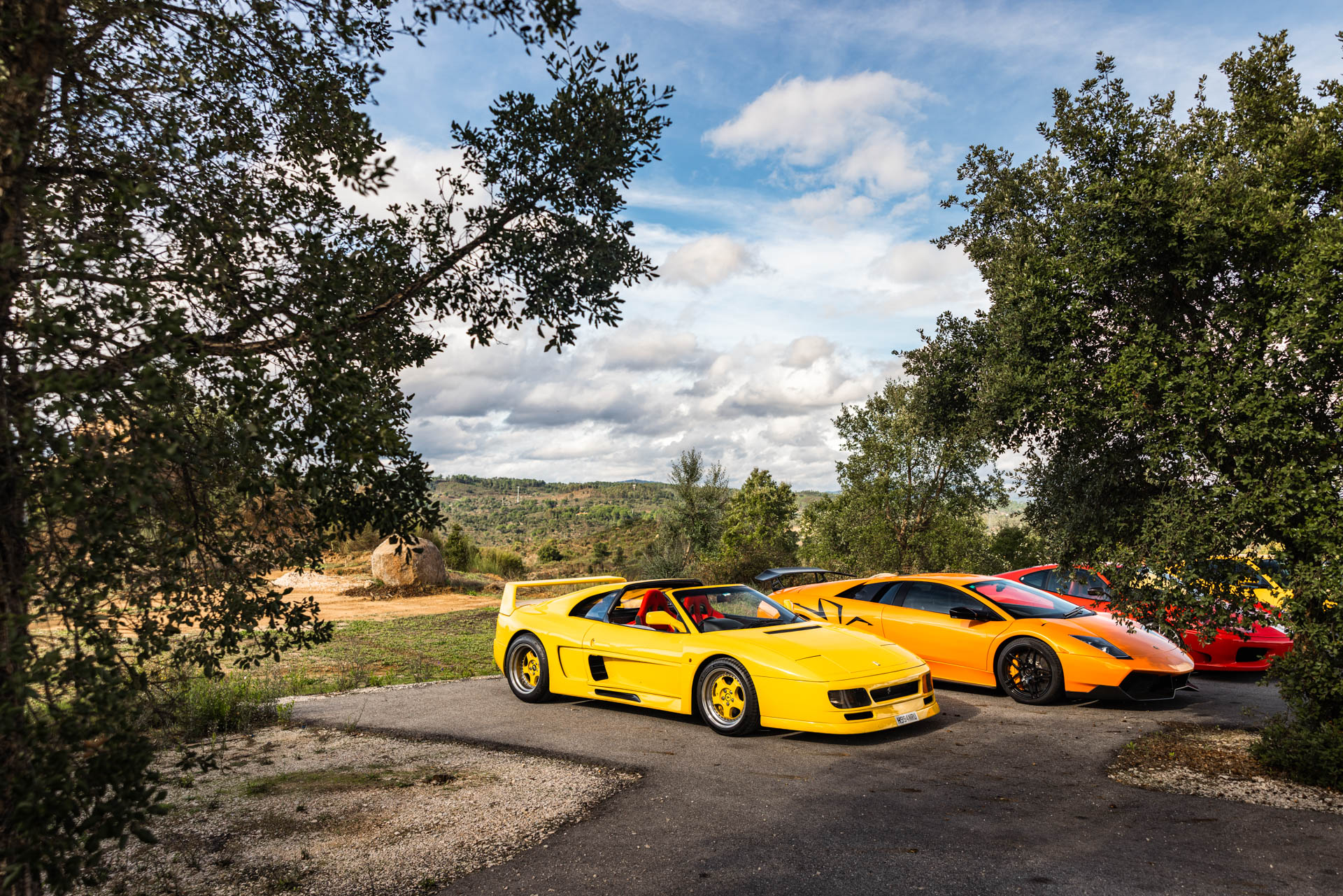
Then came the looks. Willy understood something important. If the mechanical character of the car had changed completely, the shape needed to reflect that. Koenig bodywork was not subtle. Wide arches were added without apology. Intakes grew until they became statements. Wings appeared that looked like they had opinions. These cars did not whisper wealth. They shouted intent.
The reaction was immediate and divided. Owners loved them. Purists were horrified. Ferrari, predictably, was furious. Enzo Ferrari did not like his cars being modified, especially not by a German tuner who was making them faster than anything coming out of Maranello. Dealers were discouraged from helping Koenig cars. Factory support became difficult. Koenig Specials existed in a strange space, admired by customers, disapproved of by the brand that created the base car.
This only added to the appeal. Because the people buying Koenig Ferraris were not looking for approval. They were looking for something Ferrari would not give them. More power. More drama. More edge. Cars that did not care whether you were ready.
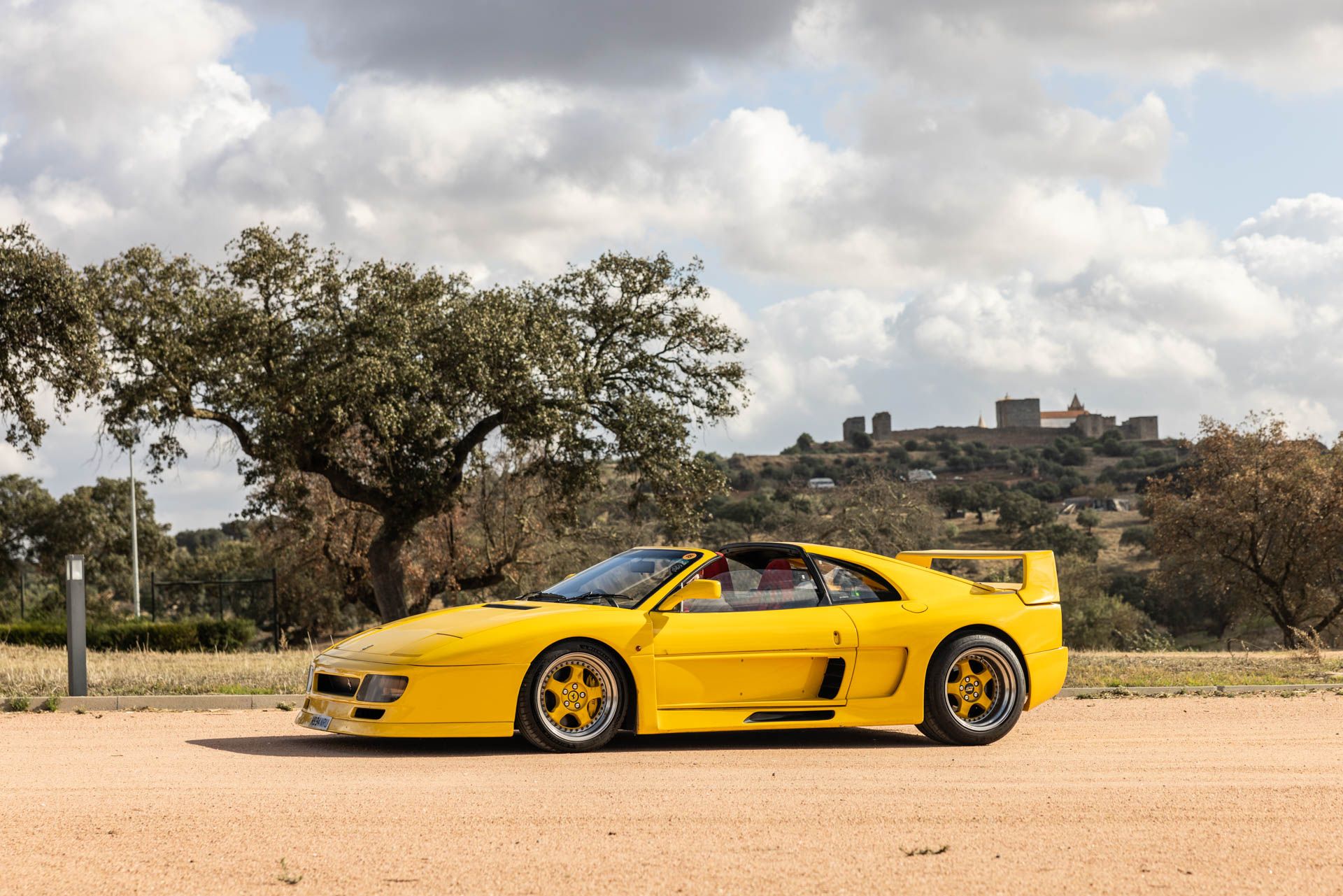
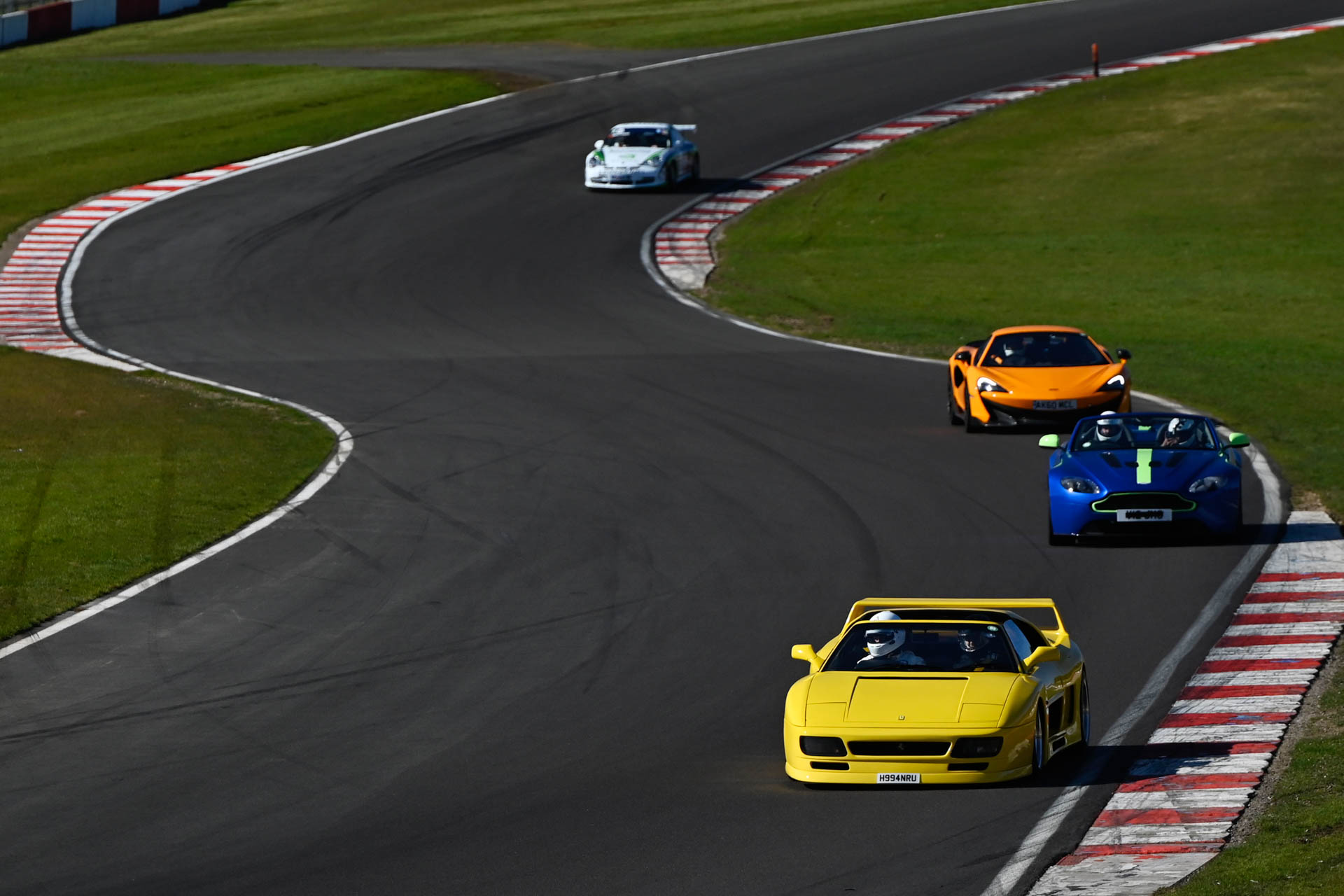
Driving a Koenig Ferrari was not like driving a standard Ferrari. There were no electronic safety nets waiting to save you. No gentle interventions. Just mechanical grip, turbo boost, and the clear understanding that mistakes would be punished.
Owners spoke about them with a mixture of pride and fear. Journalists drove them once and remembered it forever. They were not perfect. They were not polite. They were unforgettable.
And through it all, Willy König remained oddly calm. Wealthy, yes, but never showy. Confident, but not loud. He did not need attention. His cars took care of that.
He had once changed his name to avoid worrying his mother. Now he had built a company worrying Ferrari. Not because he wanted to provoke, but because he genuinely believed he was improving something he loved.
Koenig Specials became symbols of an era. A time when excess was celebrated. When speed mattered more than approval. When someone could look at the most famous sports cars in the world and say, quietly and confidently, I think I can do more.
And Willy König did.
There’s more to the König story, so stay tuned for part 2 coming soon...